Established Year
Factory Footprint
Manufacturing Expertise
Global Export Share
In modern supply chain ecosystems, efficiency, structural stability, and workflow ergonomics are critical factors. Large-scale retail distributors, automated fulfillment centers, manufacturing facilities, and chemical plants rely on specialized material handling equipment to move high volumes of goods. The traditional tote cart is no longer just a manual utility carrier; it is an engineered component of high-throughput distribution pipelines.
Foshan CTRA Logistics Machinery Technology Co., Ltd. addresses these complex corporate demands through rigorous prototyping and testing processes. With industrial growth shifting toward automation, standard fleet compatibility has become a core parameter. When sourcing OEM/ODM tote carts, global procurement teams prioritize suppliers with structural engineering capabilities who can design and manufacture components compatible with existing robotic interfaces, automated warehouse lifts, and high-density racking configurations.
Guangdong Province, specifically Foshan City, stands as one of the most prominent manufacturing hubs globally. For material handling equipment, sourcing directly from Chinese industrial clusters offers significant efficiency gains. The region features integrated supply chains, starting from basic raw materials (high-grade steel and aerospace-grade aluminum) to precision hydraulic component fabrication, surface treating facilities, and advanced assembly lines.
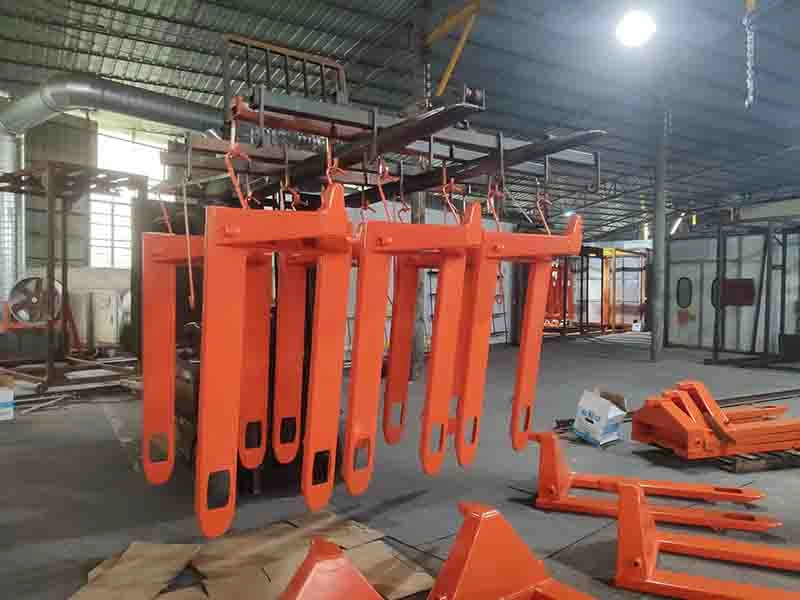
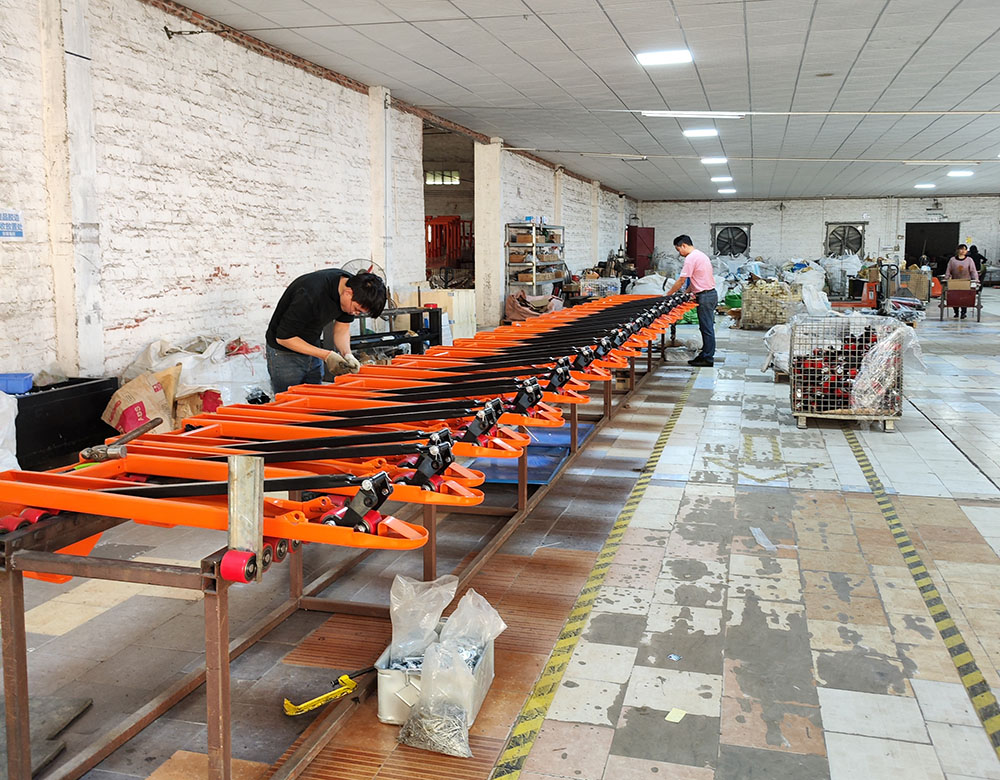
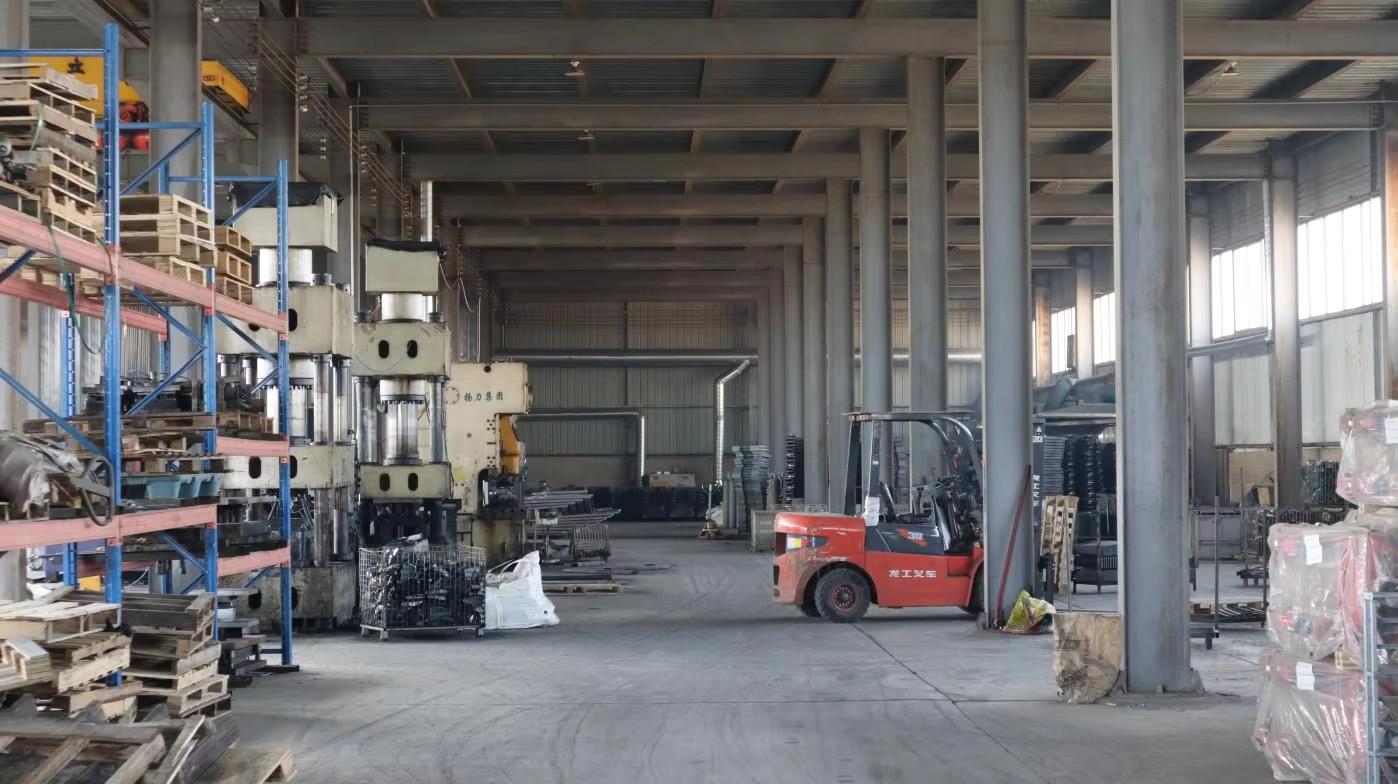
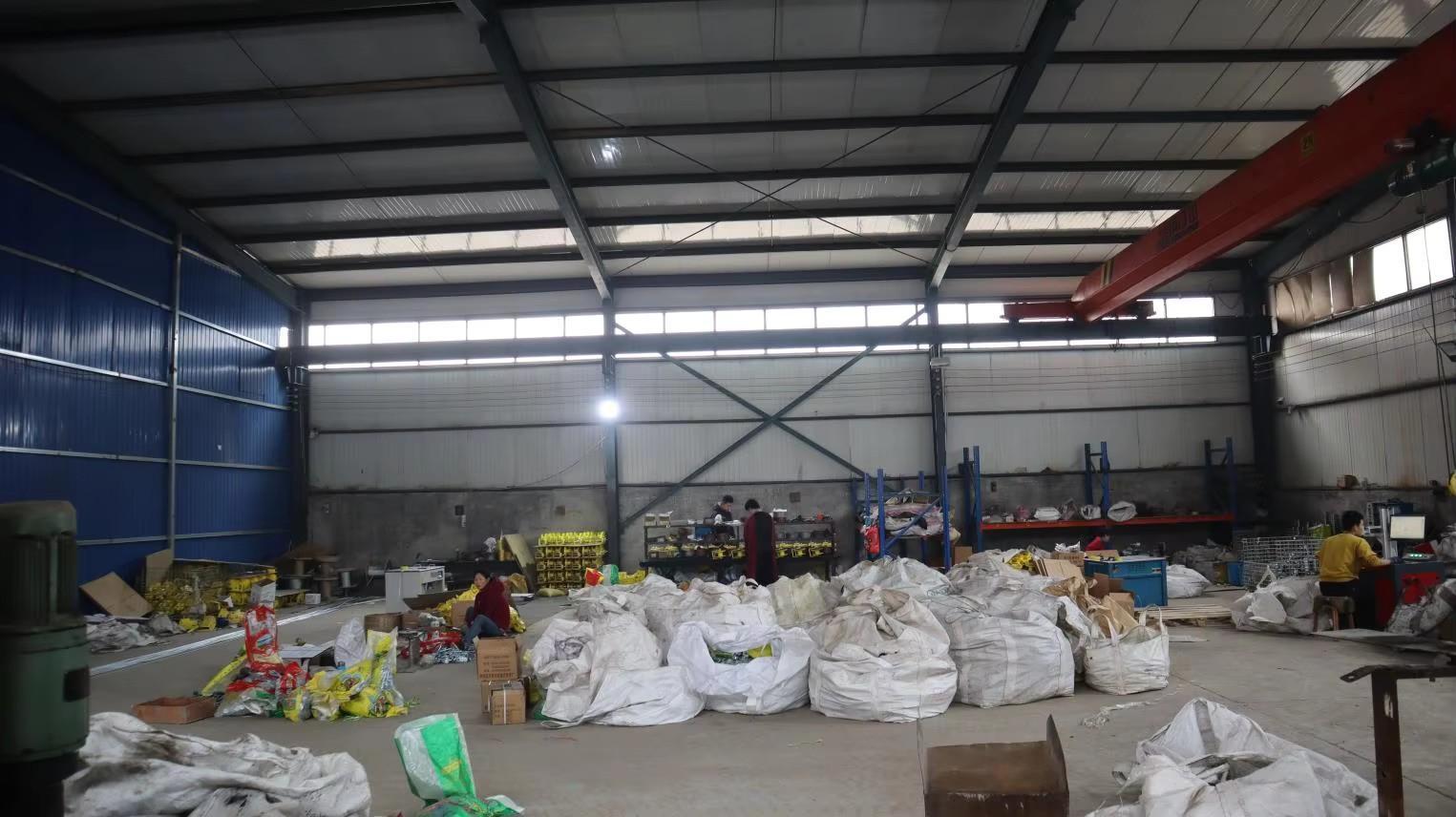
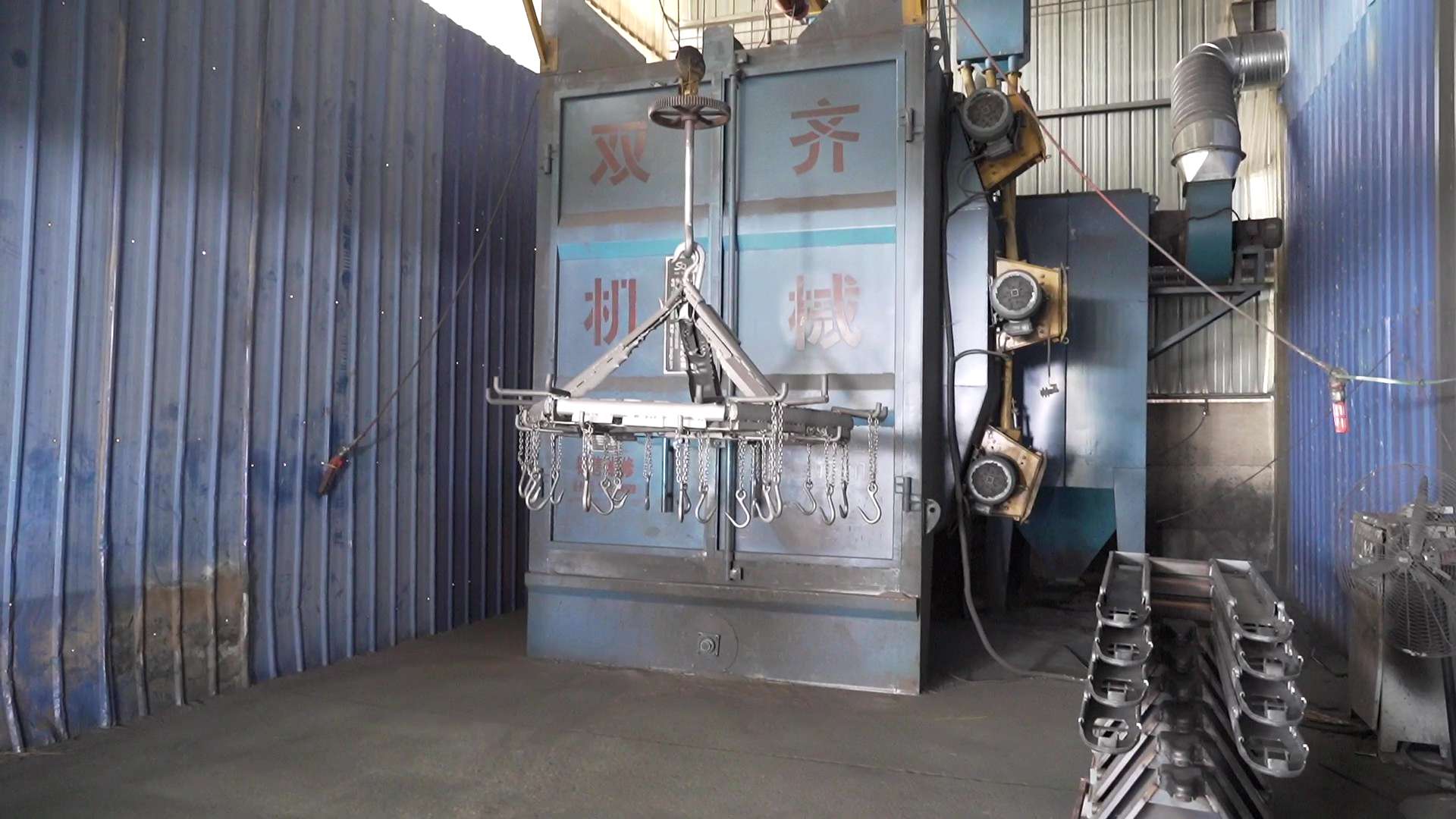
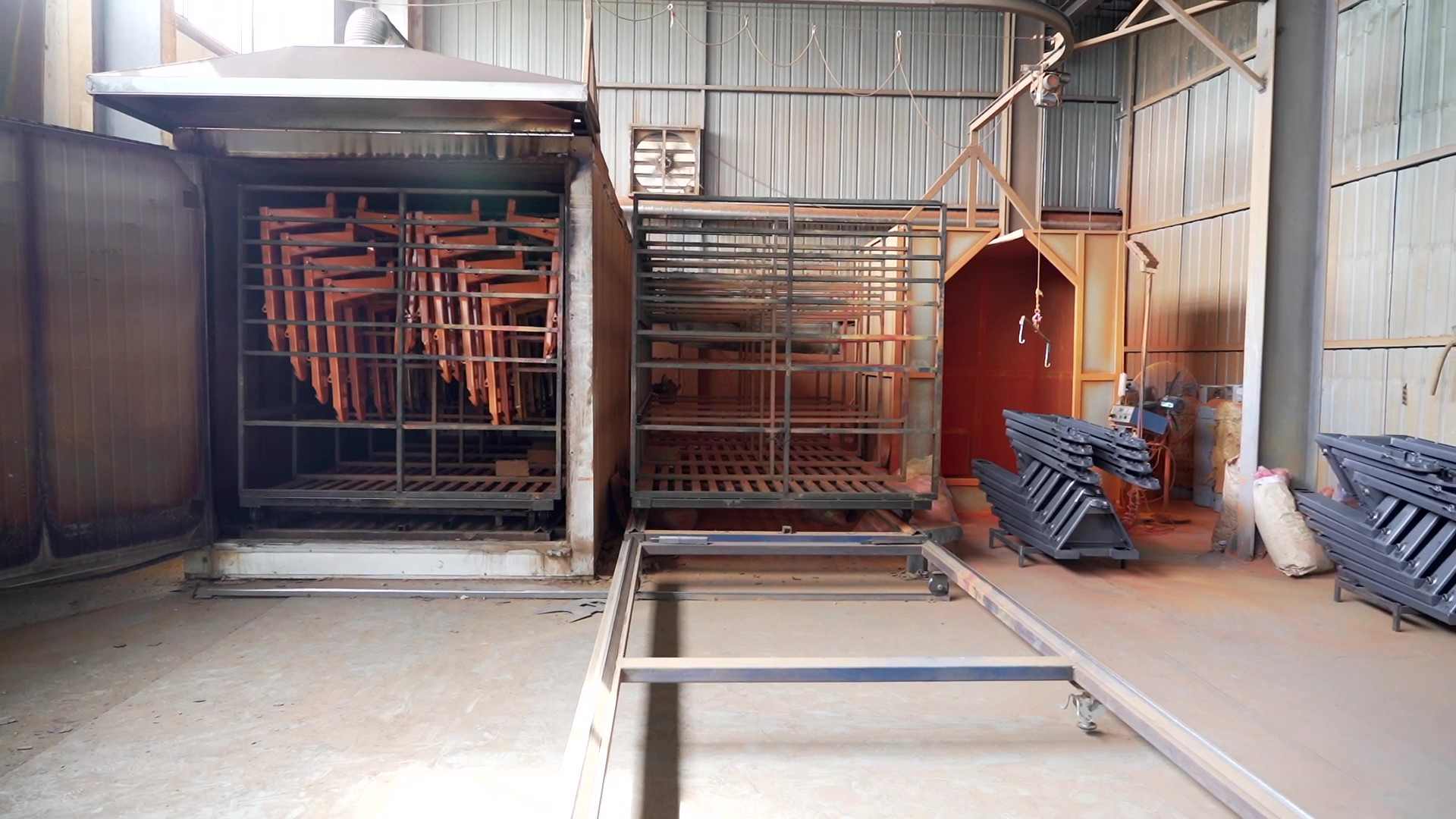
As a premier developer in Foshan, Foshan CTRA Logistics Machinery Technology Co., Ltd. leverages this cluster effect. This local network provides access to raw materials and components with minimized transport lead times, keeping costs predictable even during market fluctuations. Our 10,000 to 30,000 square meter factory space is equipped with modern manufacturing tools, including automated welding stations, laser cutters, and professional testing rigs.
These structural advantages directly translate to customer benefits:
Foshan CTRA Logistics Machinery Technology Co., Ltd. is a research and development organization engaged in the production of modern logistics warehousing machinery and equipment. Located in Foshan City, Guangdong Province—a key manufacturing town in China—the enterprise was built on solid foundations to promote high-quality logistics machinery globally and satisfy the evolving requirements of international customers.
Operating a manufacturing facility of 10,000 to 30,000 square meters, the enterprise handles structural welding, hydraulic assembly, surface finishing, and load testing in-house. With a team of 101 to 200 skilled specialists, CTRA exports between 41% and 50% of its products worldwide, maintaining an annual sales and purchase volume of US$10 Million to US$50 Million.
| Strategic Indicator | Specification Detail |
|---|---|
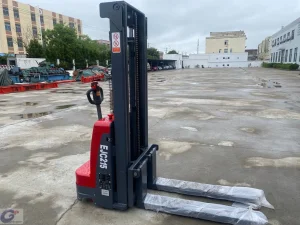
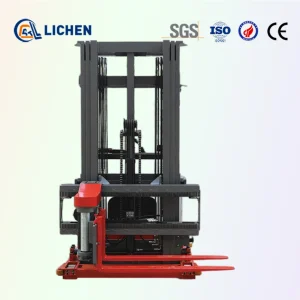
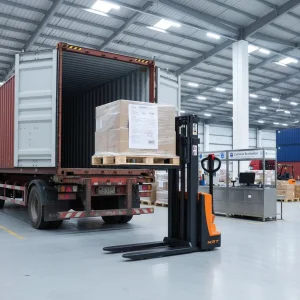
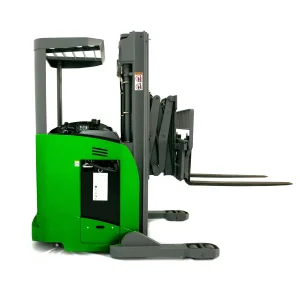
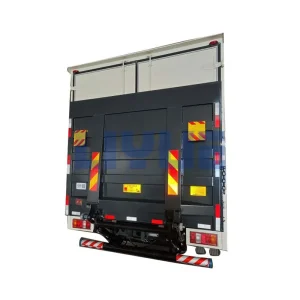
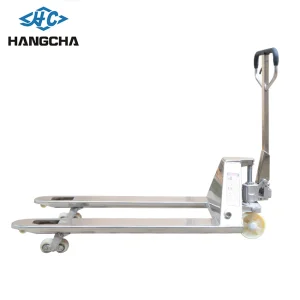
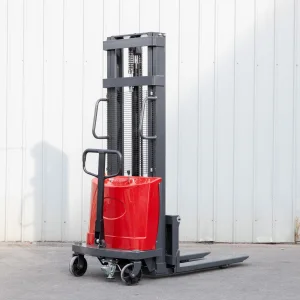
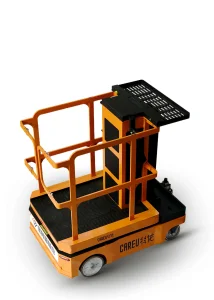
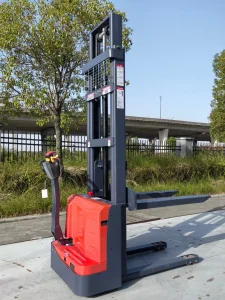
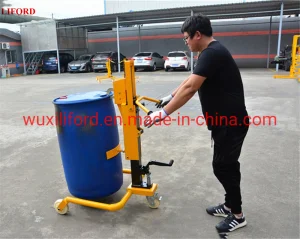
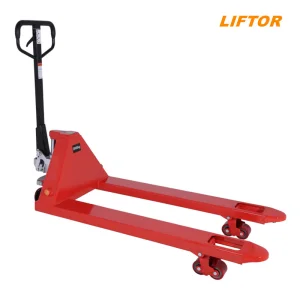
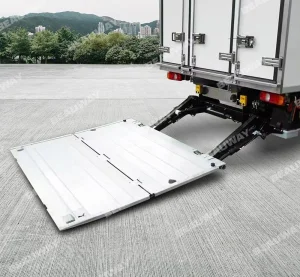
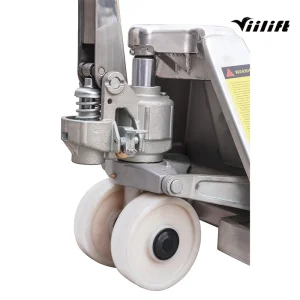
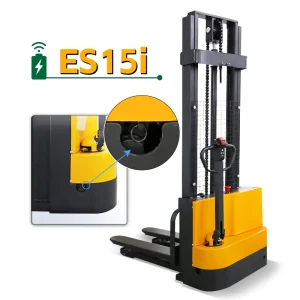
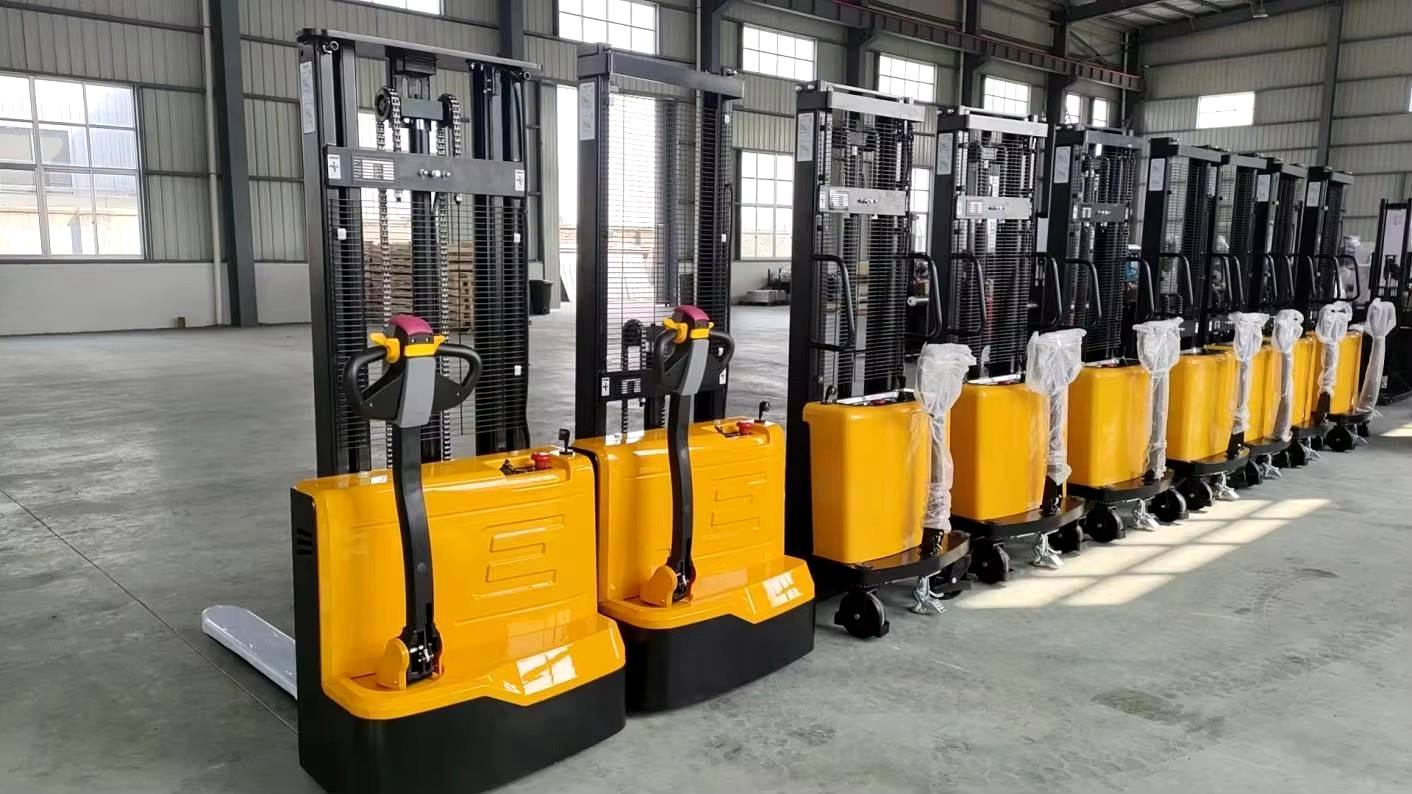
| Core Product Offerings | Hand Pallet Truck, Hand Stacker, Electric Stacker, Tail Lift, Dock Ramp, Lift Table, Heavy-Duty Custom Carts |
| Accepted Trade Incoterms | FOB, CFR, CIF, EXW, FCA |
| Flexible Terms of Payment | L/C, T/T, and Custom B2B Financing Instruments |
| Average Factory Lead Time | Off-season: 30 Days (One Month) | Peak Season: 45-60 Days |
| Annual Performance Volume | US$10 Million - US$50 Million |
| Manufacturing Facilities | 10,000 - 30,000 square meters specialized facility |
| Quality Certifications | CE Approved, ISO 9001, OSHA Compliant Welding Architectures |
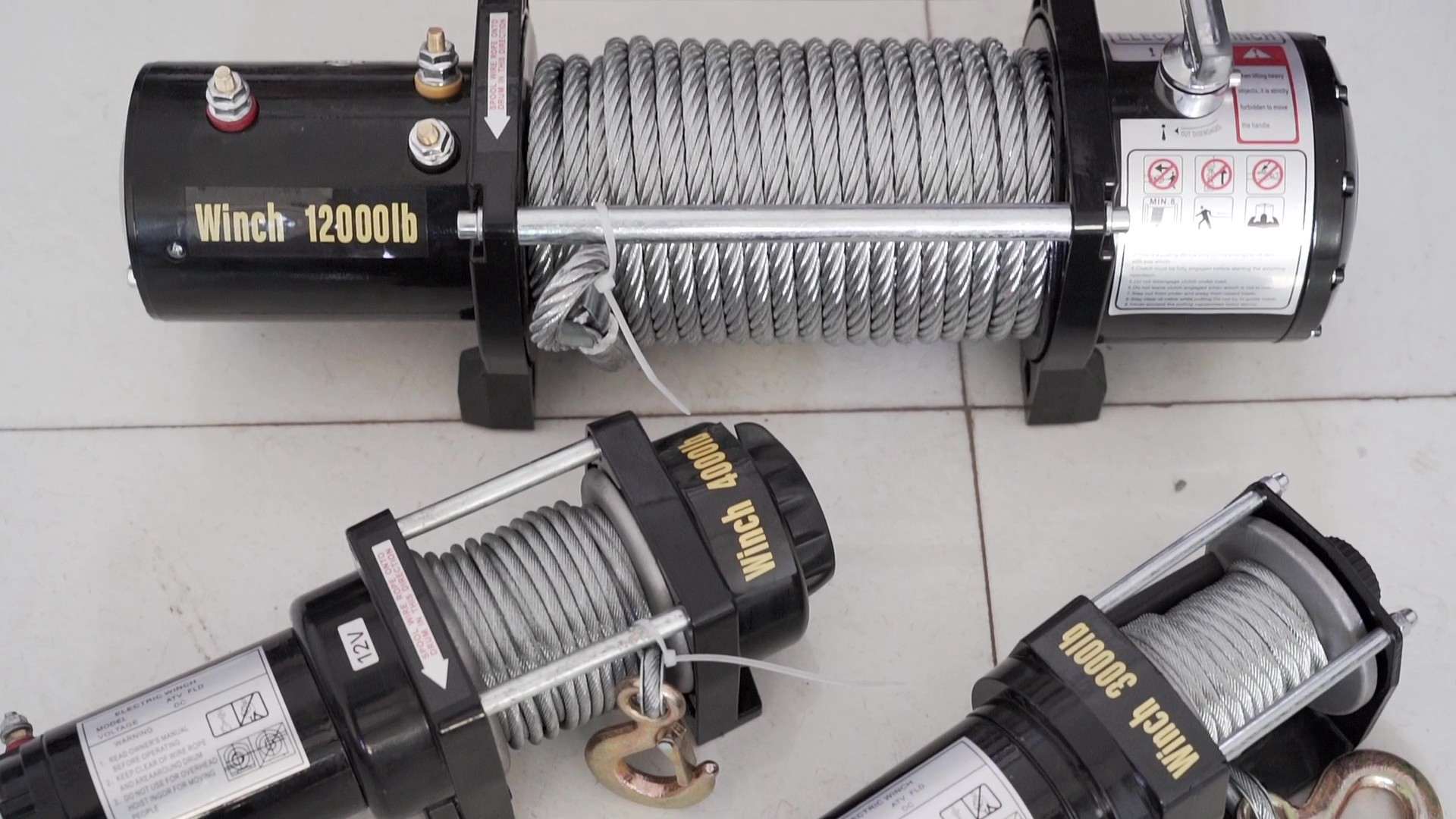
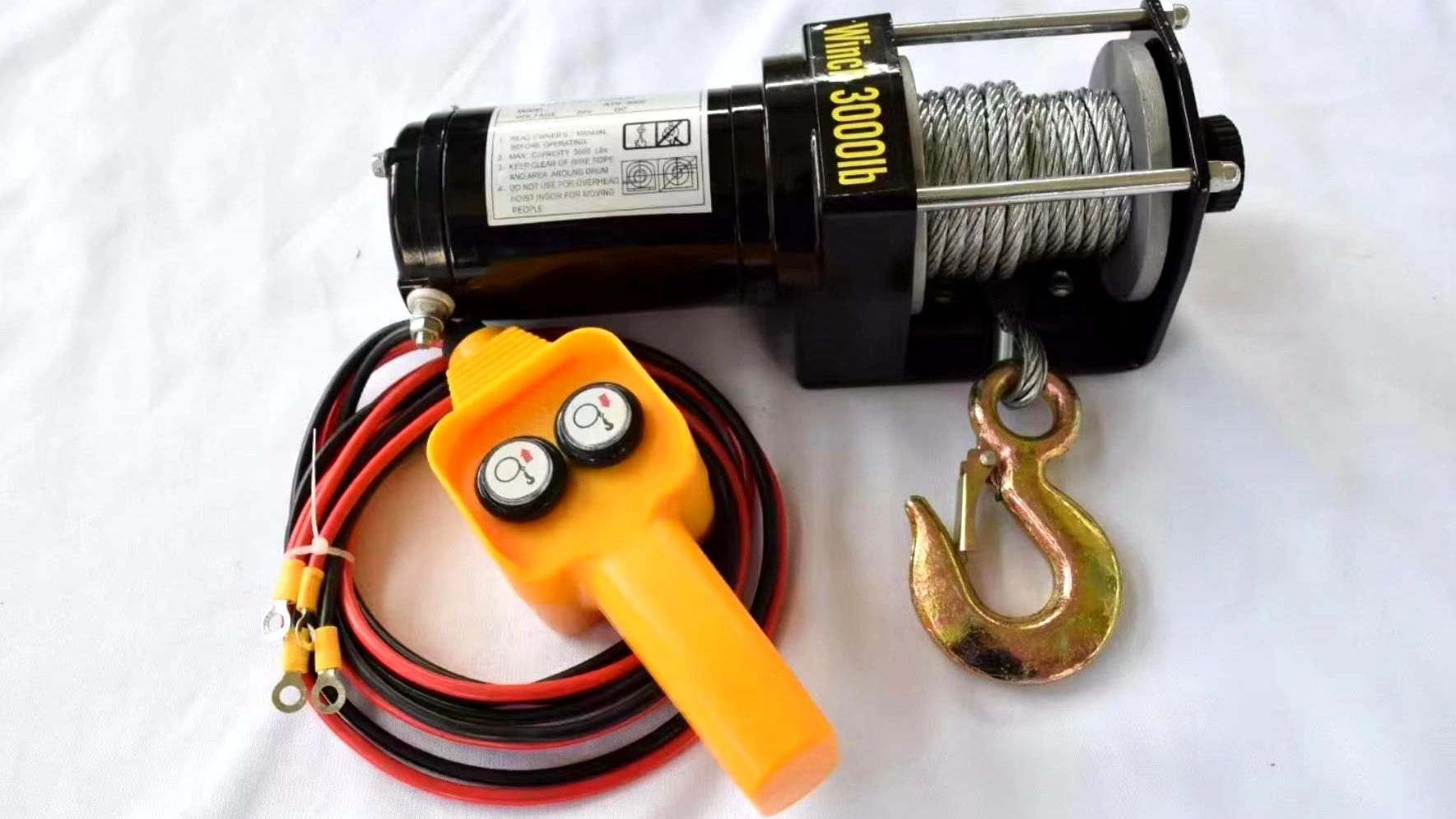
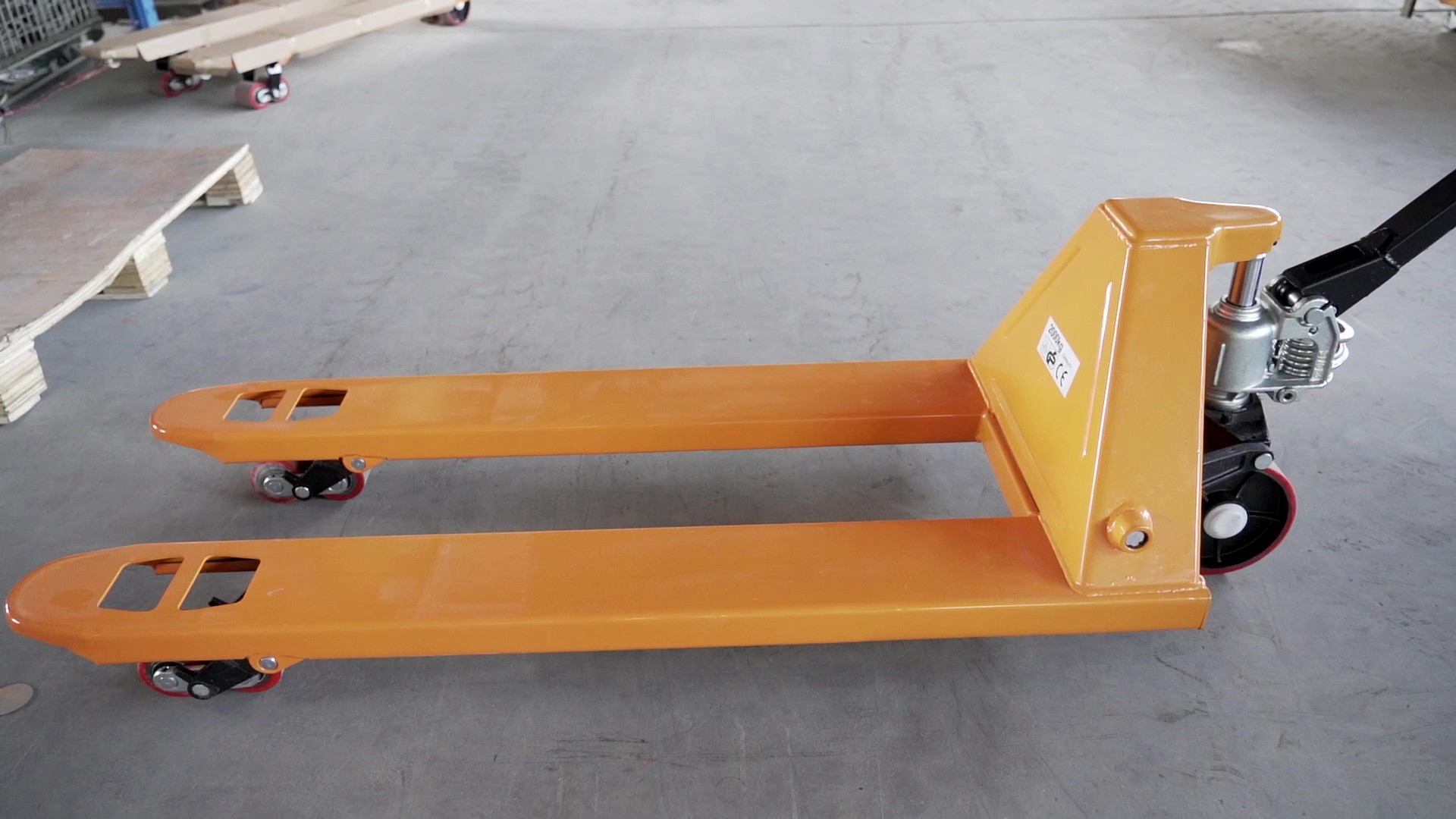
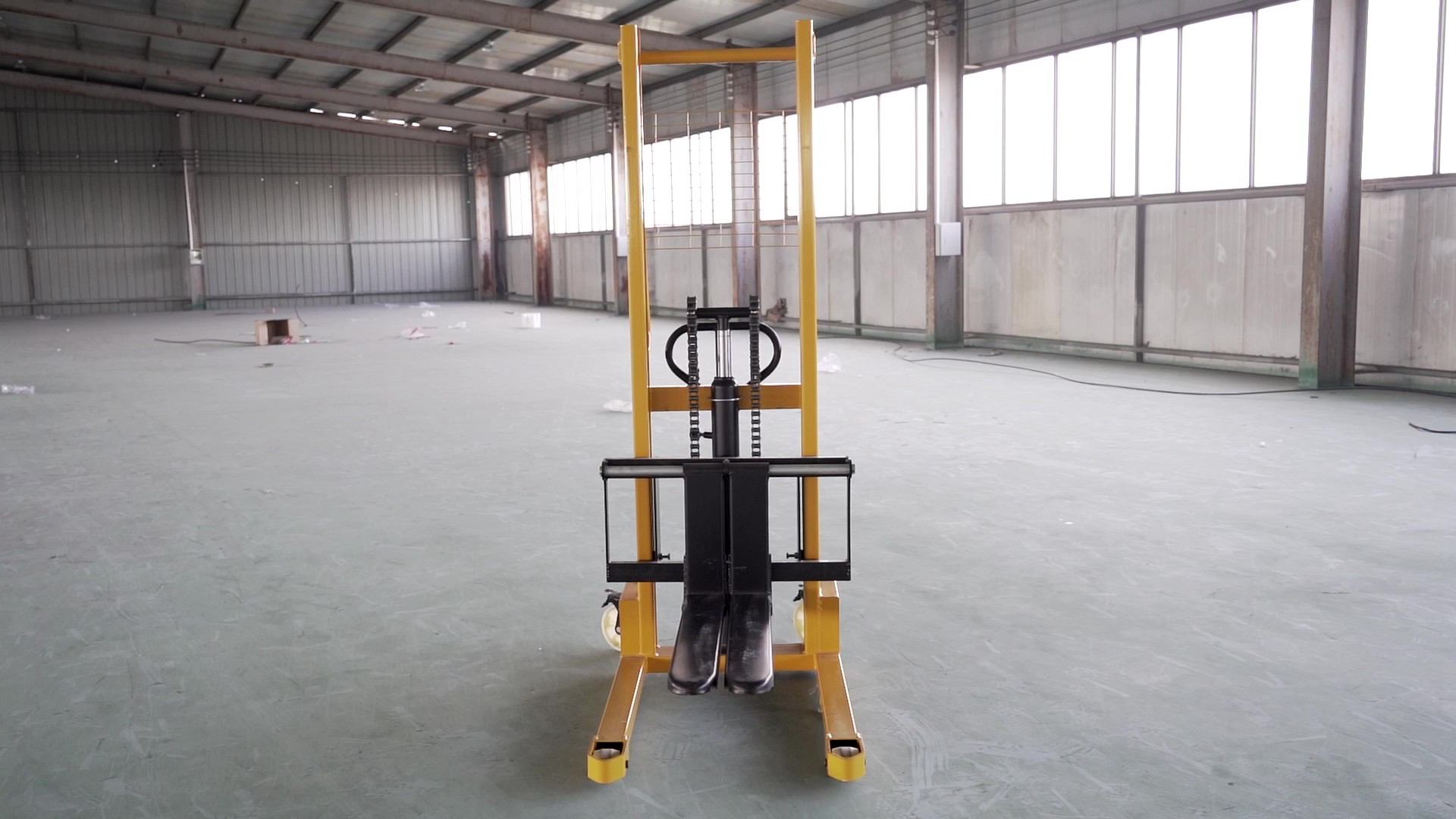
The global material handling market is shifting toward specialized, application-oriented fleet assets. Generic carts are being replaced by designs tailored for specific industrial workflows. Key market drivers include:
Modern sorting hubs require pick-to-light integrated carts, multi-tier configurations, and lightweight frames. Operators walk miles daily inside distribution centers; therefore, reducing rolling resistance by even a small percentage decreases fatigue and increases daily pick rates. The integration of high-grade polyurethane casters with precision bearings allows for smooth movement on varied floor surfaces.
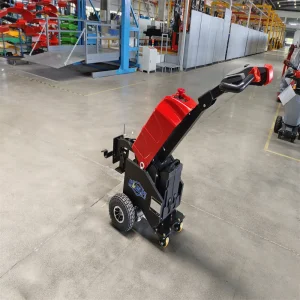
In automotive and industrial assembly facilities, tote carts must interface directly with mechanical lifts, overhead conveyors, and automated handling machinery. Custom structures with built-in tow pins, locking hitches, and precise alignment features are essential to protect the cart, cargo, and workers in dynamic factory environments.
Procuring logistics machinery from a global supplier requires reliable long-term support. A cart or lift truck is only useful if it remains operational. CTRA addresses this by providing standardized replacement parts, detailed technical documentation, and direct engineering support to clients' local maintenance partners.
We utilize standardized hydraulic pumps, seals, electrical components, and heavy-duty casters. This approach ensures that clients in North America, Europe, and Asia can source replacement components locally, reducing downtime. Additionally, CTRA provides complete schematics and diagnostic guides for our electric and semi-electric stacker models, enabling on-site technicians to perform maintenance efficiently.
 CTRA Logistics