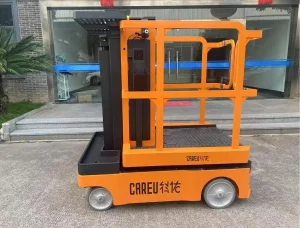
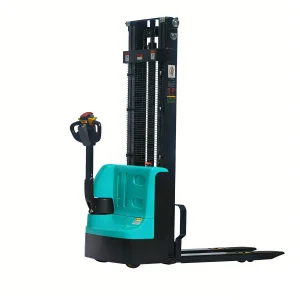
In the rapidly shifting landscape of global warehousing, construction, and facility maintenance, spatial optimization has become the ultimate determinant of operational profitability. As modern logistics centers expand vertically to maximize square footage, the demand for compact, efficient, and exceptionally safe vertical mast lifts has reached an all-time high. A vertical mast lift represents a distinct category of Aerial Work Platforms (AWPs) that provides reliable vertical elevation within highly constrained workspaces.
Foshan CTRA Logistics Machinery Technology Co., Ltd. stands at the absolute vanguard of this industrial revolution. As a premier research and development manufacturer based in Guangdong’s industrial heartland, CTRA engineering addresses the core challenges of modern facility operations: minimizing equipment footprint while maximizing reach, battery autonomy, operator safety, and structural integrity.
The global vertical mast lift market is undergoing a significant transformation, driven by massive urbanization, the explosive growth of e-commerce, and increasingly stringent occupational health and safety regulations. Historically, traditional scaffolding and step ladders dominated indoor low-level access work. However, the paradigm has shifted due to strict safety regulations enacted by agencies such as the Occupational Safety and Health Administration (OSHA) in the United States and the European Agency for Safety and Health at Work (EU-OSHA).
Currently, the major markets for vertical mast lifts are concentrated in North America, Western Europe, and the Asia-Pacific region. In highly developed regions, demand is driven by the replacement of aging fleets with advanced zero-emission lithium-battery vehicles, whereas emerging economies in Asia and Latin America are seeing rapid volume growth due to new, ultra-dense logistics infrastructures.
The engineering development of material handling systems is focused heavily on three critical fields:
The transition from lead-acid batteries to Lithium Iron Phosphate (LiFePO4) chemistries has revolutionized vertical mast lift utilization rates. Lithium systems offer rapid opportunistic charging capabilities, zero maintenance, and up to four times the cycle life of traditional wet-cell batteries. CTRA is at the forefront of implementing intelligent battery management systems (BMS) to optimize cell health and maximize machine uptime.
Modern mast lifts are no longer merely mechanical lifters. They incorporate arrays of ultrasonic proximity sensors, tilt alarms, load-sensing cell devices, and automatic pothole protection systems. These safety features automatically lock controls or restrict speeds when hazardous operation conditions are detected.
Enterprise-grade logistics operators require real-time tracking of their physical assets. Telematics integrations allow fleet managers to monitor state-of-charge, operational hours, utilization patterns, and preventative diagnostic fault codes remotely. This significantly reduces maintenance overheads and prevents unexpected on-site equipment failures.
The versatility of the modern vertical mast lift makes it an indispensable asset across multiple localized commercial scenarios:
The engineering department at Foshan CTRA focuses on continuous refinement of telescoping structures. Future development pipelines are oriented toward:
Ultra-High-Strength Aluminum Alloy Mast Structures: Working in collaboration with metallurgy specialists to utilize extruded aluminum alloys that reduce structural mass by up to 25% while maintaining exceptional rigidity at maximum extension. This reduces the vehicle's total center of gravity and floor loading requirements.
Decentralized Electro-Hydraulic Actuators (EHA): Replacing centralized hydraulic reservoirs with self-contained, sealed linear actuators. This eliminates the risk of oil leaks in sensitive industrial environments (food and pharmaceutical storage facilities) and enhances energy efficiency.
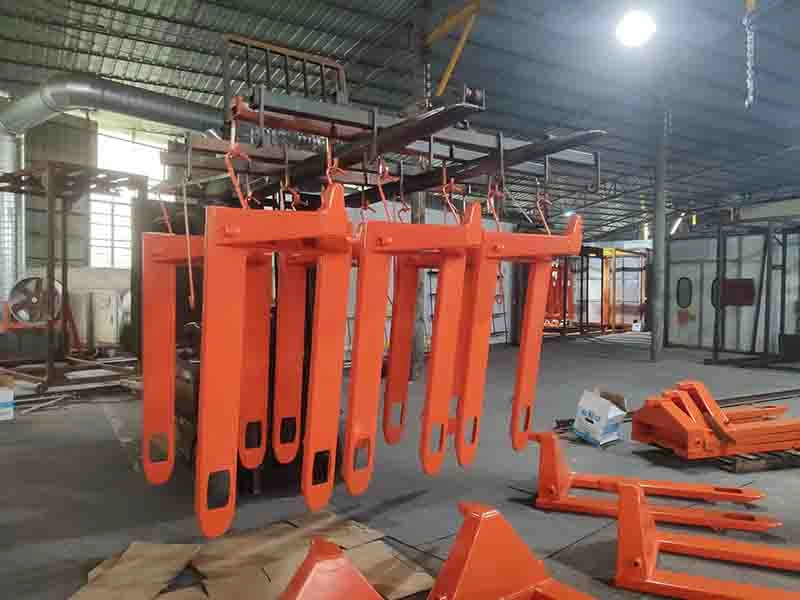
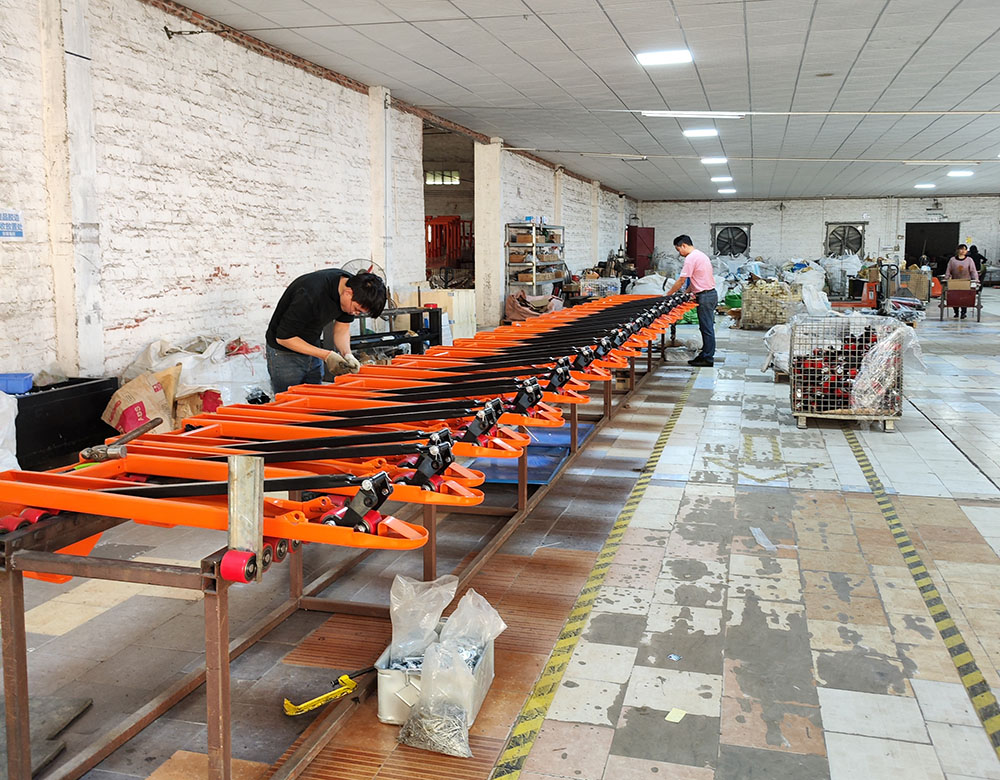
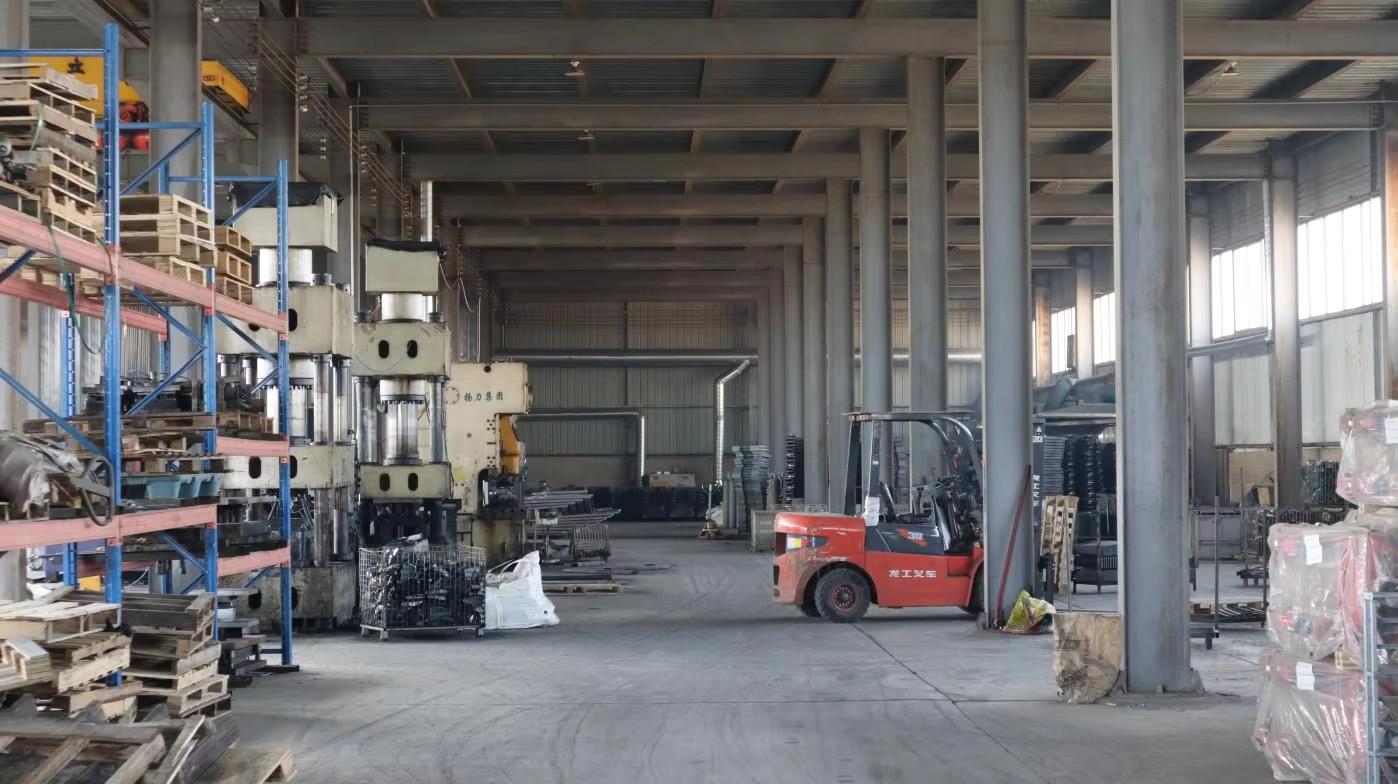
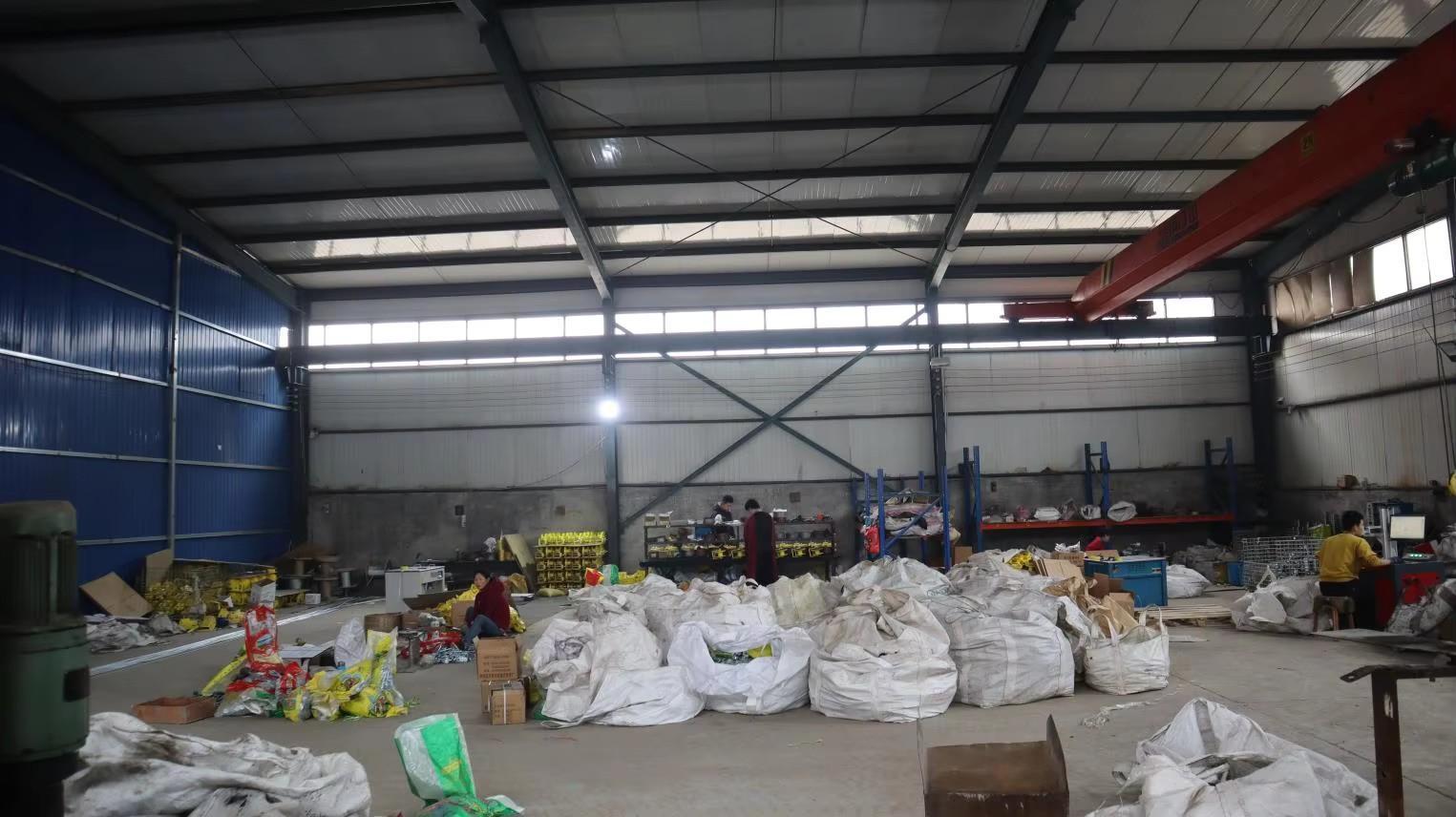
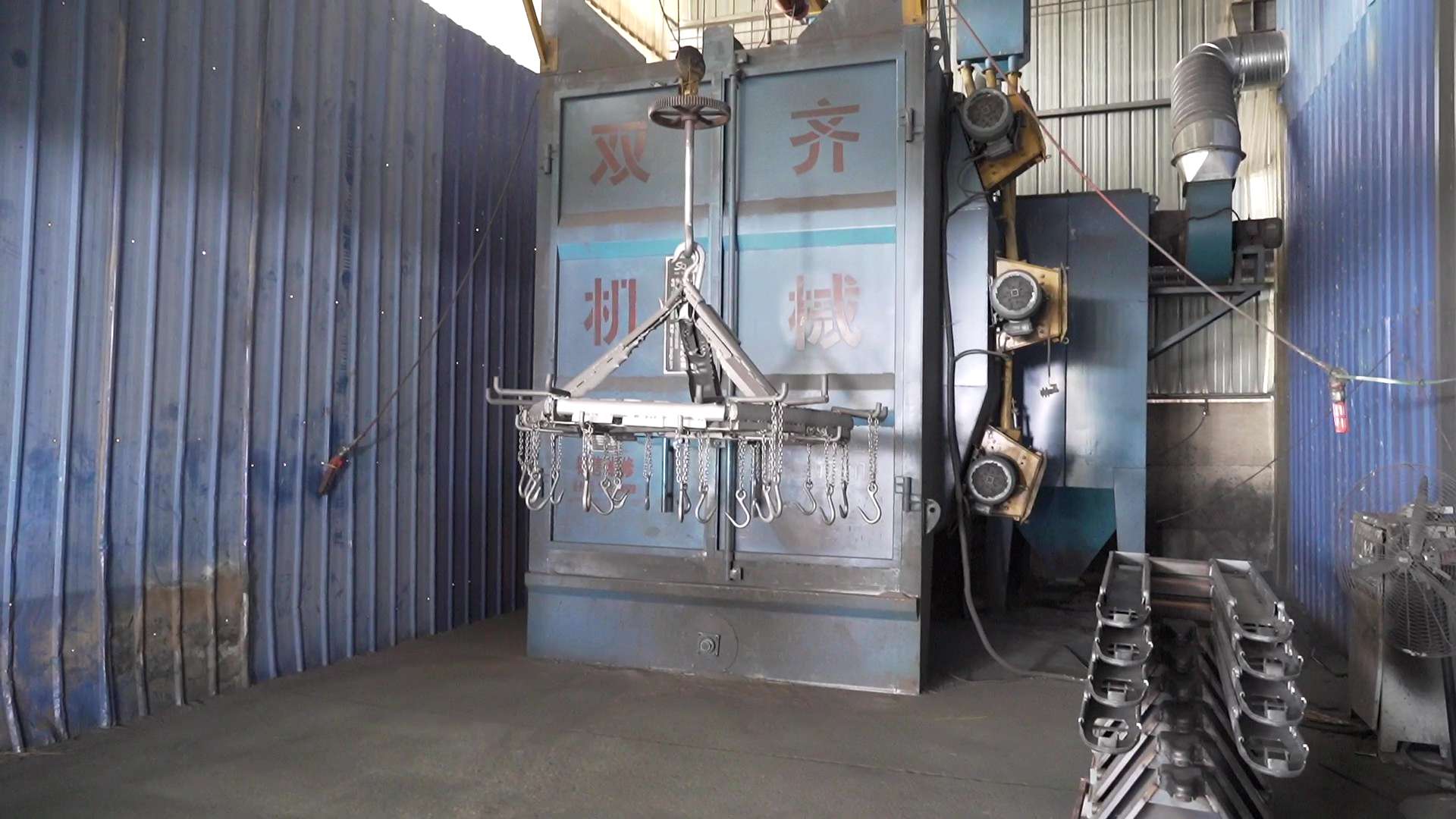
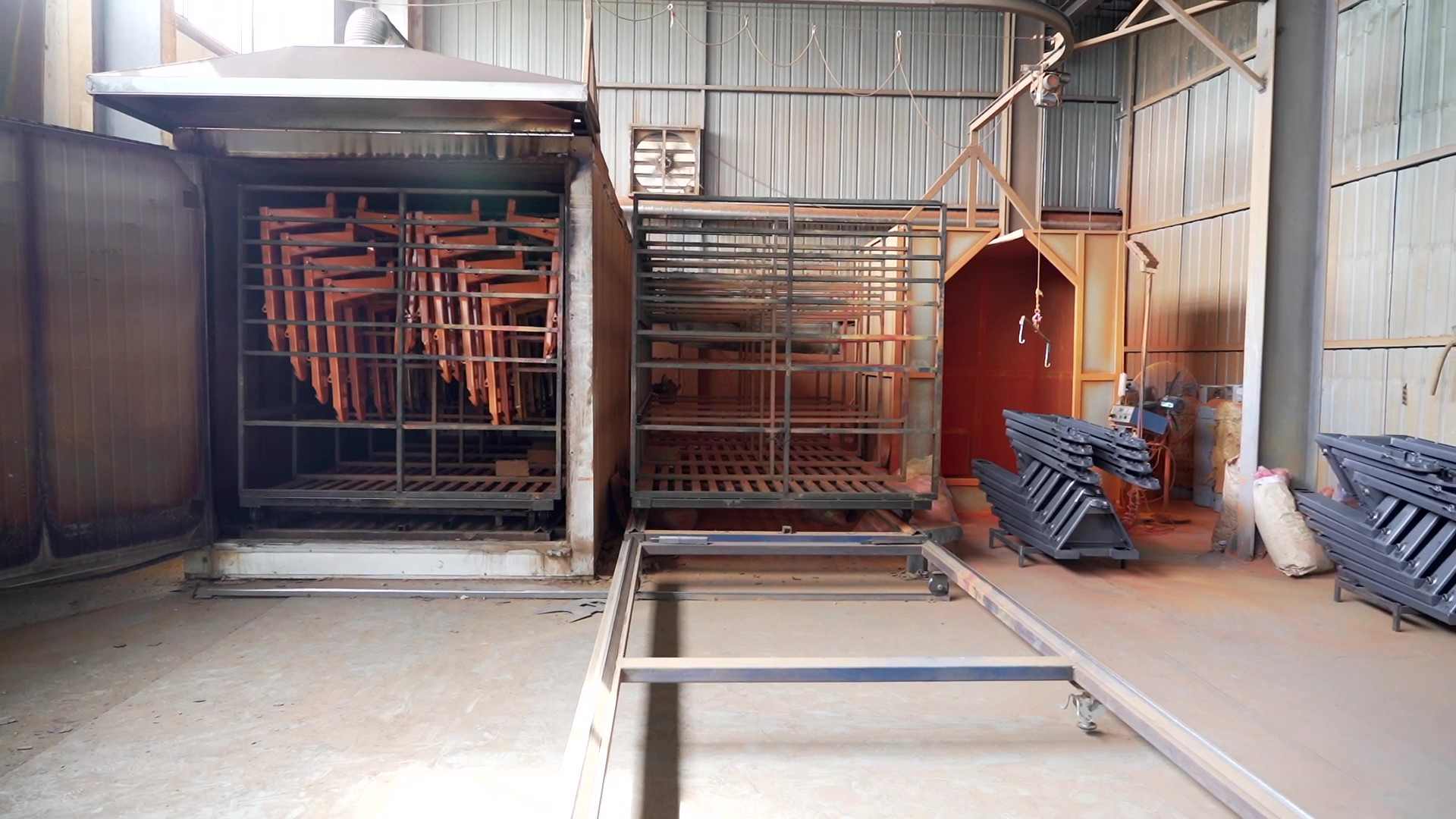
Established as a high-technology development entity in Foshan City, Guangdong Province, CTRA has spent over a decade cultivating deep specialized manufacturing capabilities. Spanning a state-of-the-art production floor of up to 30,000 square meters, our facility integrates advanced robotic welding, computer numerical control (CNC) machining centers, and strict quality control stations.
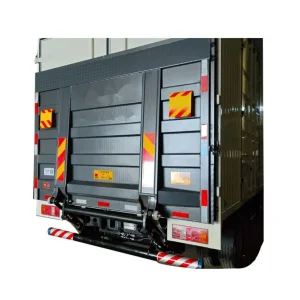
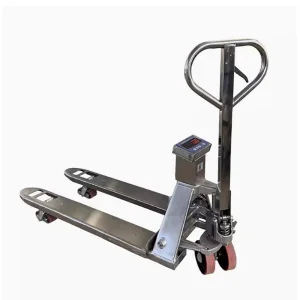
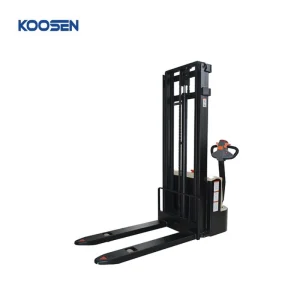
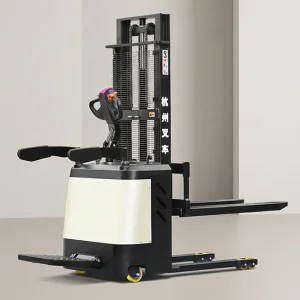
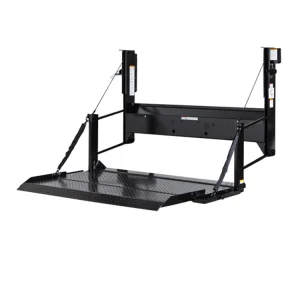
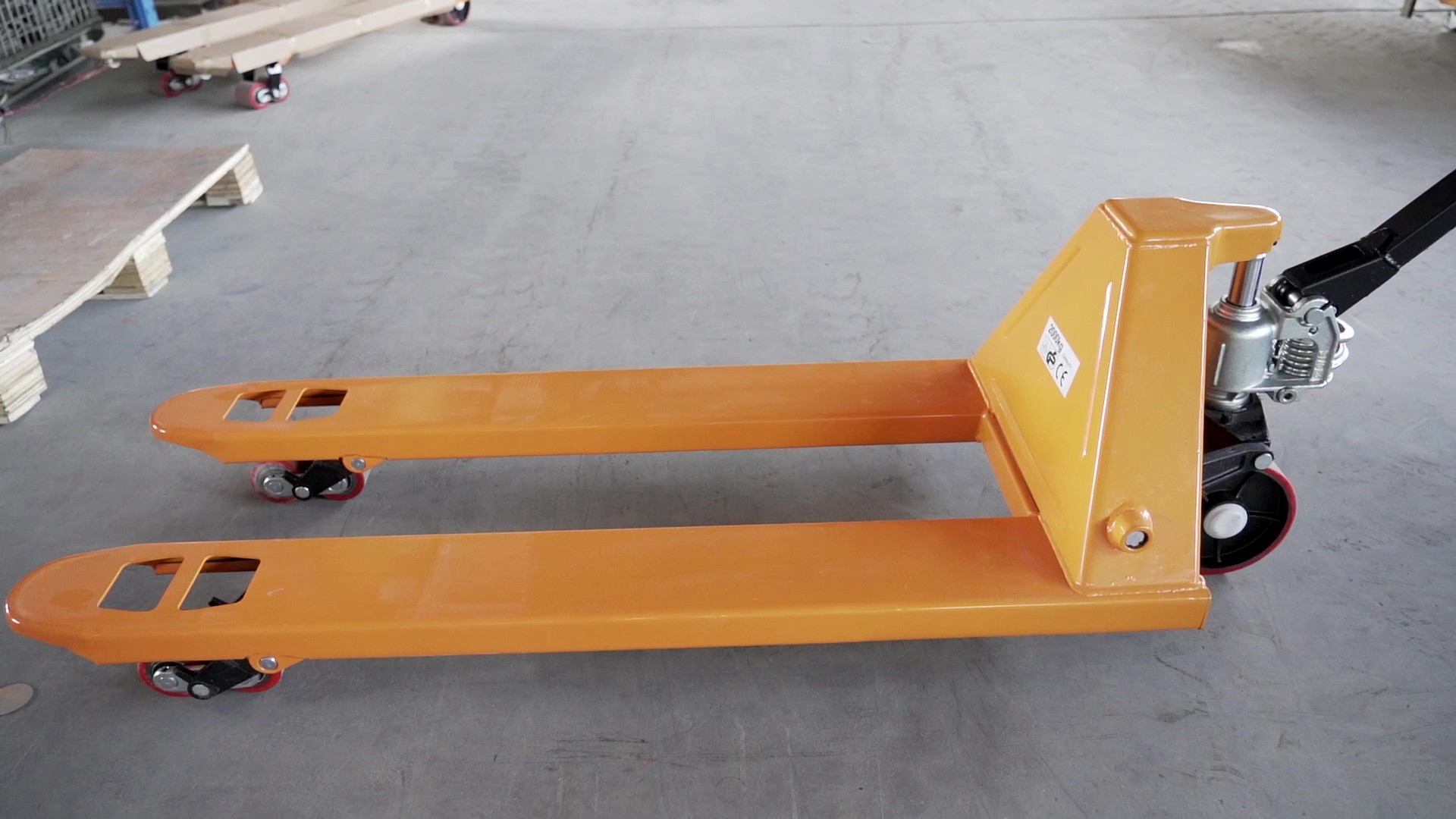
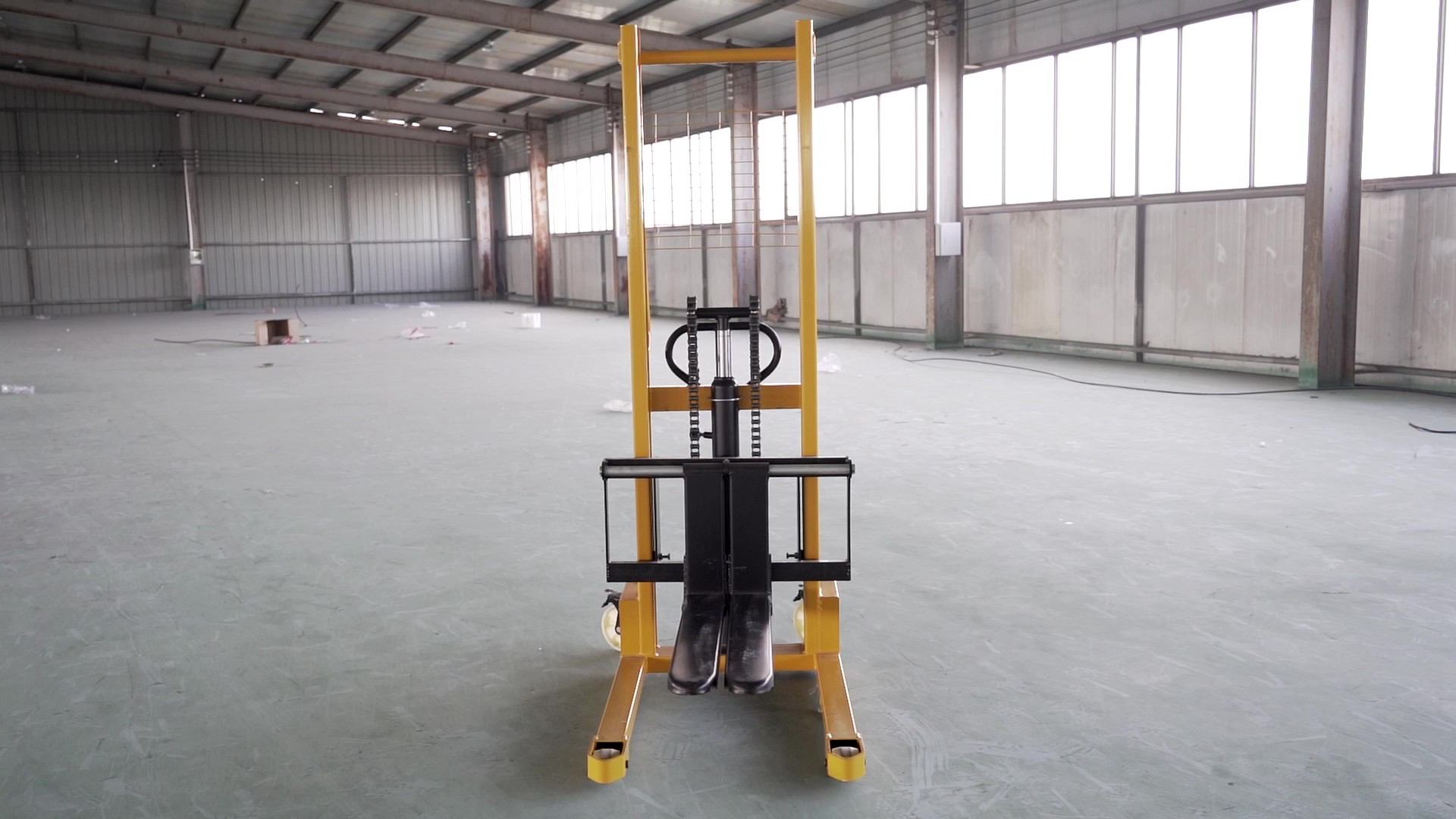
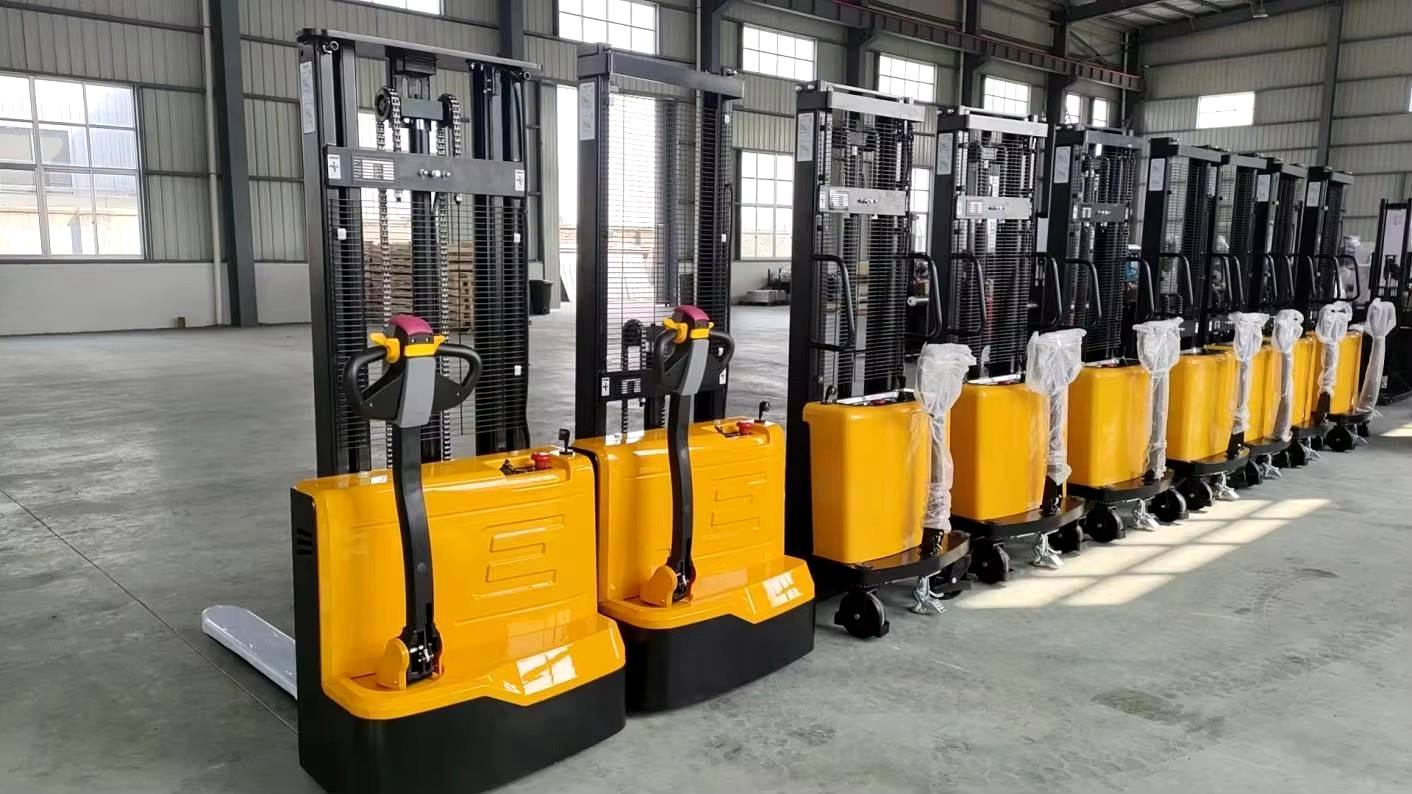
Every piece of material handling equipment, from simple hand pallet trucks to complex custom electric stackers and tail lifts, is subjected to rigorous dynamic load testing prior to factory dispatch. Our stable management team oversees the entire procurement and shipping cycle, ensuring compliance with international guidelines and shipping regulations.
| Corporate Attribute | Specification Details & Logistics Metrics |
|---|---|
| Primary Products & Service Range | Hand Pallet Truck, Hand Stacker, Electric Stacker, Tail Lift, Dock Ramp, Lift Table |
| International Incoterms Accepted | FOB, CFR, CIF, EXW, FCA |
| Payment Terms Options | L/C, T/T, Western Union, Secured Transactions |
| Average Factory Lead Time | Off-season: 1 Month (Peak-season variations apply) |
| Annual Sales Volume range | US$10 Million - US$50 Million |
| Annual Purchase/Supply Capacity | US$10 Million - US$50 Million |
| Export Percentage Range | 41% - 50% globally directed flow |
 CTRA Logistics