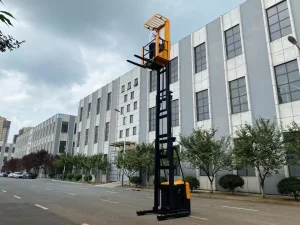
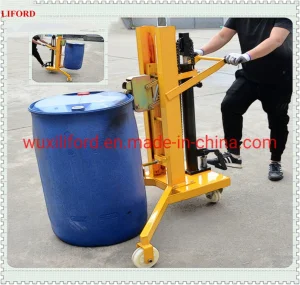
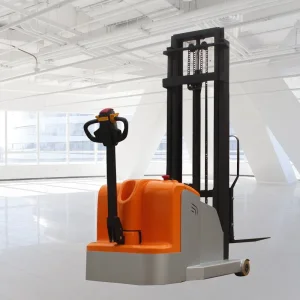
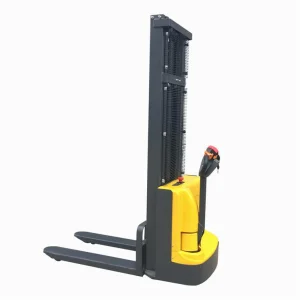
High-capacity solutions designed for heavy-duty material compression, transportation, and warehouse workflow automation.
Aligning environmental footprint reductions with automated high-ratio volume compaction engineering.
The global demand for high-efficiency industrial trash compactors is shifting from basic mechanical waste volume reduction to highly sophisticated, smart waste management ecosystems. As municipalities, distribution centers, and manufacturing plants worldwide face rising transportation costs and strict carbon emission caps, local trash compaction processes have transformed into a primary cost-saving leverage point. Modern industries do not simply store waste; they systematically minimize its spatial footprint at the point of origin.
By leveraging hydraulic power architectures and intelligent sensor integrations, industrial compaction systems achieve compaction ratios ranging from 4:1 up to 10:1. This drastically cuts down the frequency of waste hauling cycles, directly impacting operational expenditures (OPEX) and reducing diesel emissions from fleet transport logistics. Whether handling municipal solid waste (MSW), commercial cardboard, or hazardous industrial scrap, selecting the right manufacturing partner remains crucial to ensuring operational uptime, worker safety, and regulatory alignment.
High-capacity waste handling operations in congested urban environments require compactors with tight footprints, integrated weighing scales, and low-decibel operational limits to comply with local environmental codes.
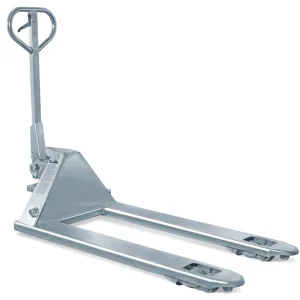
Cold chain logistics warehouses use tailored materials like hot-dip zinc-plated or food-grade stainless steel handlers and compactors. These units prevent rust under extreme temperature fluctuations while streamlining packaging waste streams.
From metallurgical dust to stamping remnants, heavy industrial waste demands robust containment systems with high ram face pressure metrics (200 Bar+) and integrated safety interlocking doors to prevent workspace hazards.
An overview of engineering breakthroughs transforming mechanical waste operations into data-driven assets.
Real-time fill-level sensors detect density variations and send pickup warnings directly to waste fleets. Integrated systems track battery life, hydraulic pressure curves, and structural integrity parameters remotely.
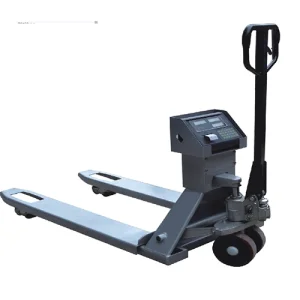
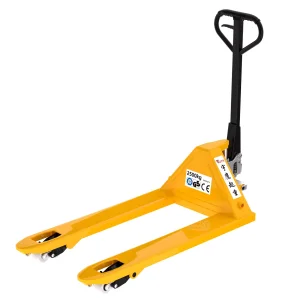
Compactor frames are increasingly configured with built-in load-cell arrays. By weighing materials during compression (similar to weighing hand pallet trucks), operations record waste density metrics immediately for auditing.
Modern industrial equipment features double-acting cylinders optimized for bio-degradable oils. These units prevent contamination risks in food logistics and marine environments without compromising cycle speeds.
The manufacturing architecture in China has quickly integrated these systems. Factories utilize structural finite element analysis (FEA) to design lighter, stronger chassis. This material configuration allows trash compactors and heavy-duty lift tables to withstand continuous high-load cycles with minimal mechanical fatigue.
Why Foshan is a global manufacturing center for high-capacity warehouse logistics and waste handling machinery.
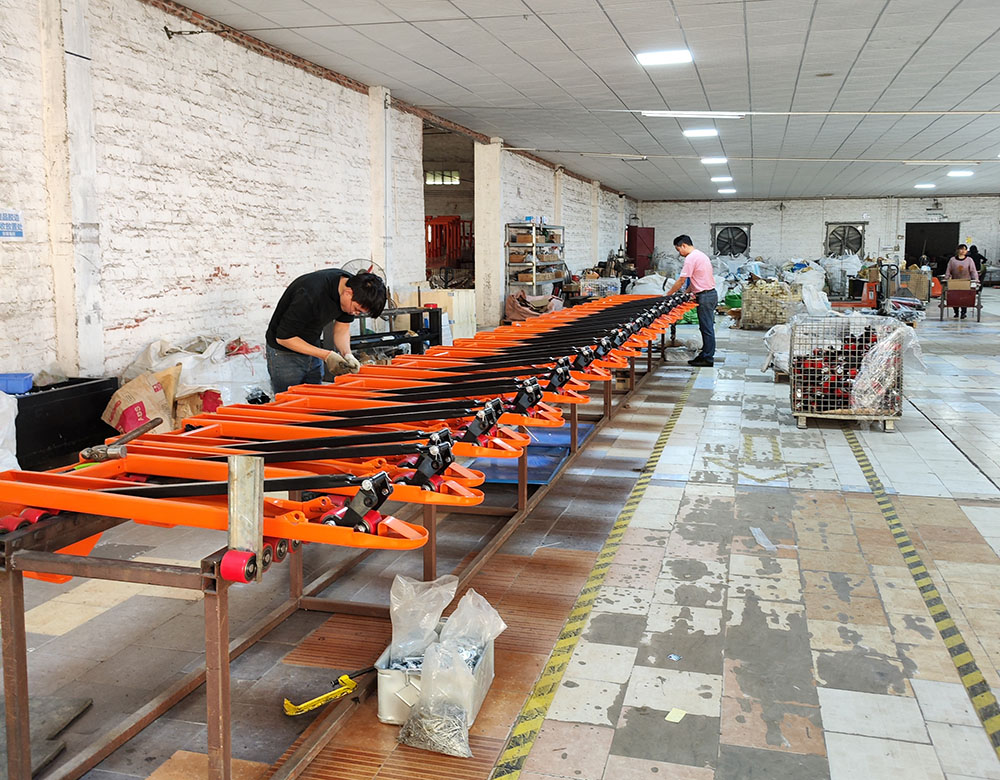
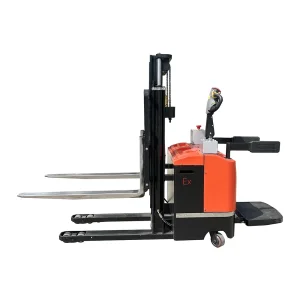
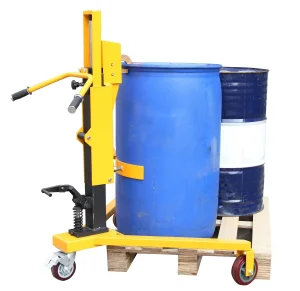
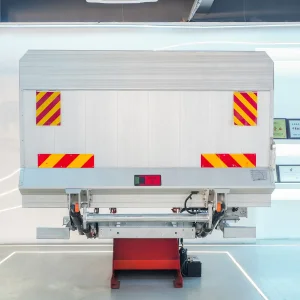
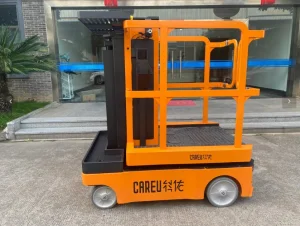
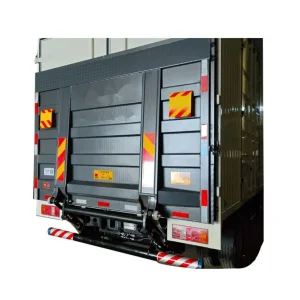
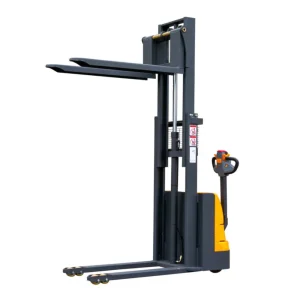
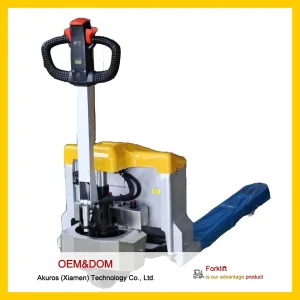
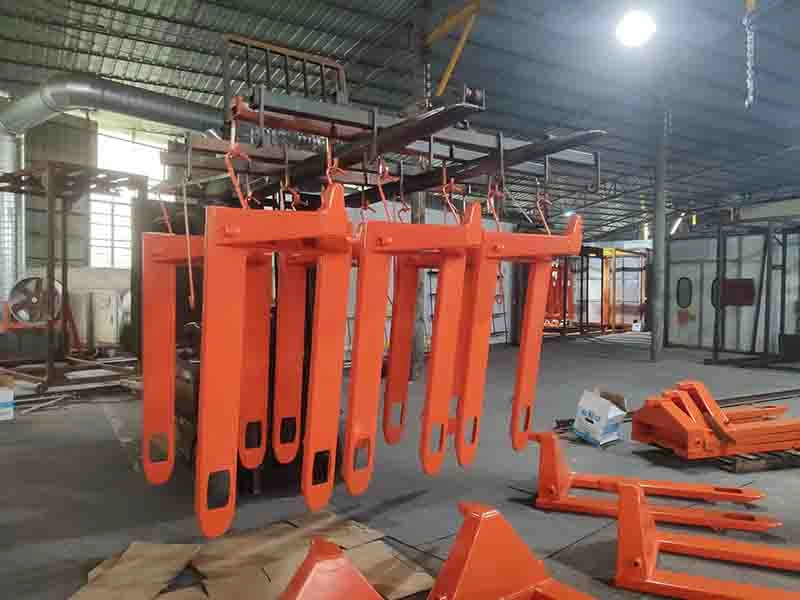
Located in Guangdong Province, Foshan is an industrial manufacturing center in China. High-capacity facilities like Foshan CTRA Logistics Machinery Technology Co., Ltd. (established in 2013) leverage this dense local ecosystem to manufacture robust logistics machinery, dock ramps, electric stackers, tail lifts, and customizable waste handling systems.
The core advantage of this regional supply chain lies in its vertical integration. Within a 50-kilometer radius, factories source precision-honed hydraulic rams, laser-cut structural plates, variable frequency controllers, and advanced powder-coating systems. This close integration speeds up design cycles and shortens production lead times, allowing custom units to ship in about 30 days, even during off-peak seasons.
Additionally, these factories enforce strict quality inspections at every step. From raw plate reception to final weld verification and high-pressure hydraulic tests, these processes ensure that products perform reliably under intensive work shifts.
Delivering high-reliability logistics machinery and material handling equipment for demanding international markets.
Foshan CTRA Logistics Machinery Technology Co., Ltd. specializes in modern logistics, warehousing machinery, and structural waste reduction equipment. Drawing on over 10 years of manufacturing experience, the company produces material handling equipment that meets global standards. By focusing on both durability and environmental responsibility, CTRA has established itself as an export leader, sending 41% to 50% of its total output to overseas markets.
| Core Trade Metric | Operational Details & Capabilities |
|---|---|
| Primary Products & Services | Hand Pallet Trucks, Hand Stackers, Electric Stackers, Tail Lifts, Dock Ramps, Lift Tables, Compactor Integrations |
| Incoterms Accepted | FOB, CFR, CIF, EXW, FCA |
| Payment Terms | L/C, T/T, West Union, Secure Custom Portals |
| Average Lead Time | Off-season lead time: One month; Peak season: 45 days |
| Annual Procurement Volume | US$10 Million - US$50 Million |
| Export Percentage Range | 41% - 50% (Key markets: Europe, North America, Southeast Asia, Middle East) |
Meeting international industrial and safety certifications for long-term operational peace of mind.
Compactor engineering requires strict dual-channel safety interlocks, manual overrides, and emergency pressure release valves. All electrical control systems meet or exceed international safety standards.
Our electrical configurations adapt to local grid standards, including 110V single-phase, 220V/380V/460V three-phase systems at both 50Hz and 60Hz. Motor designs are optimized to run efficiently on local power grids.
We supply detailed documentation, hydraulic schematics, and video guidelines for deployment. Our factory maintains a dedicated stock of replacement valves, seals, and control boards for fast international shipping.
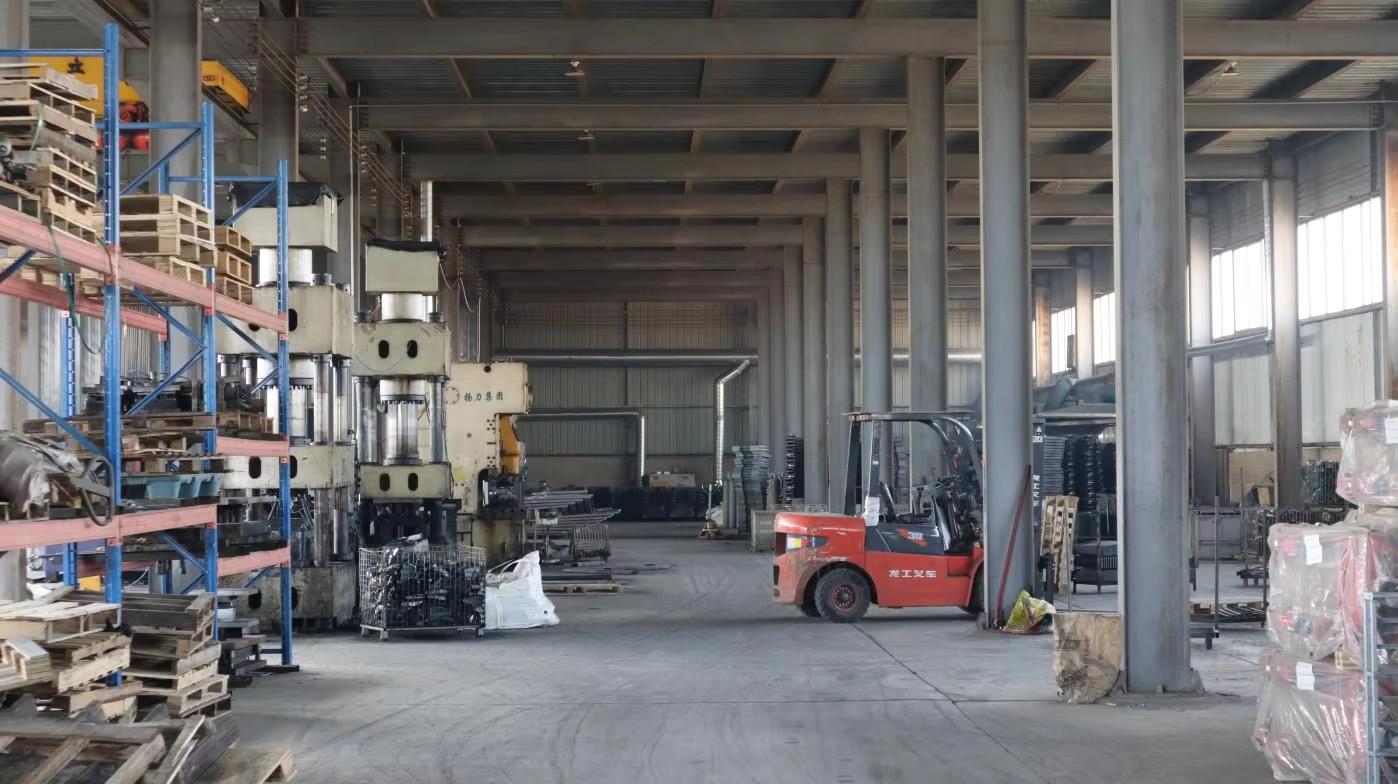
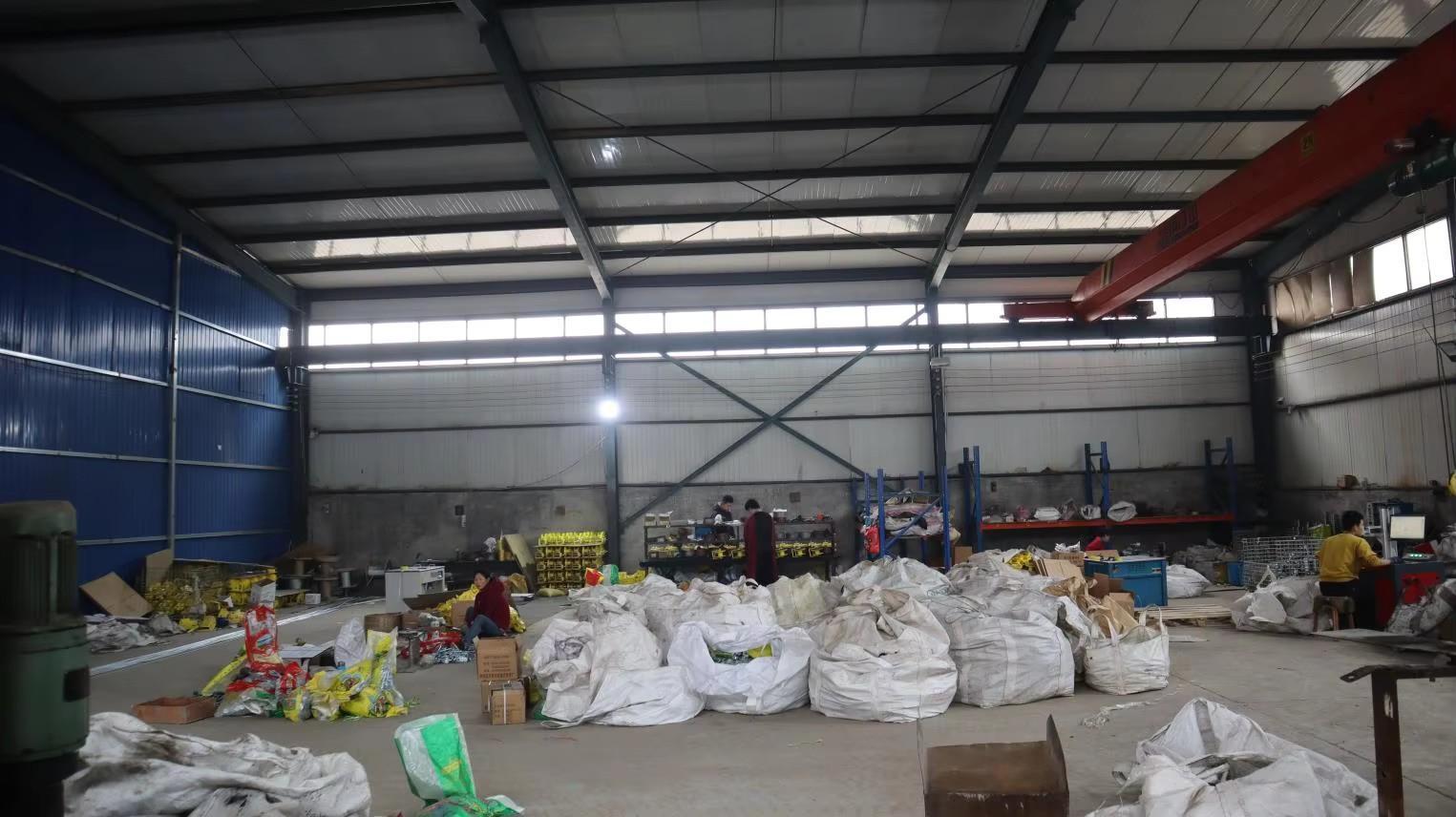
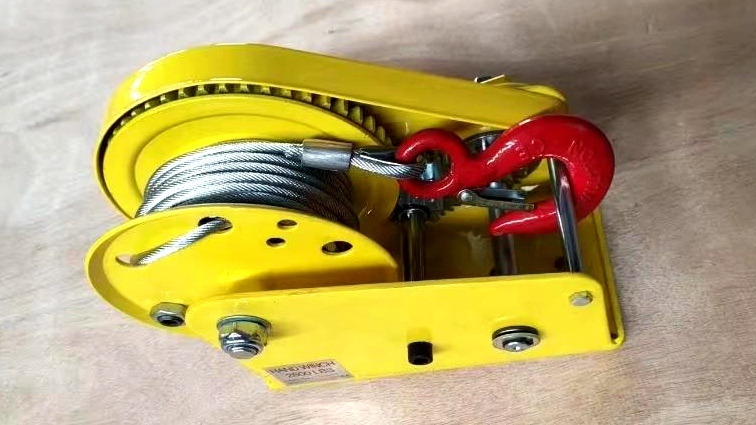
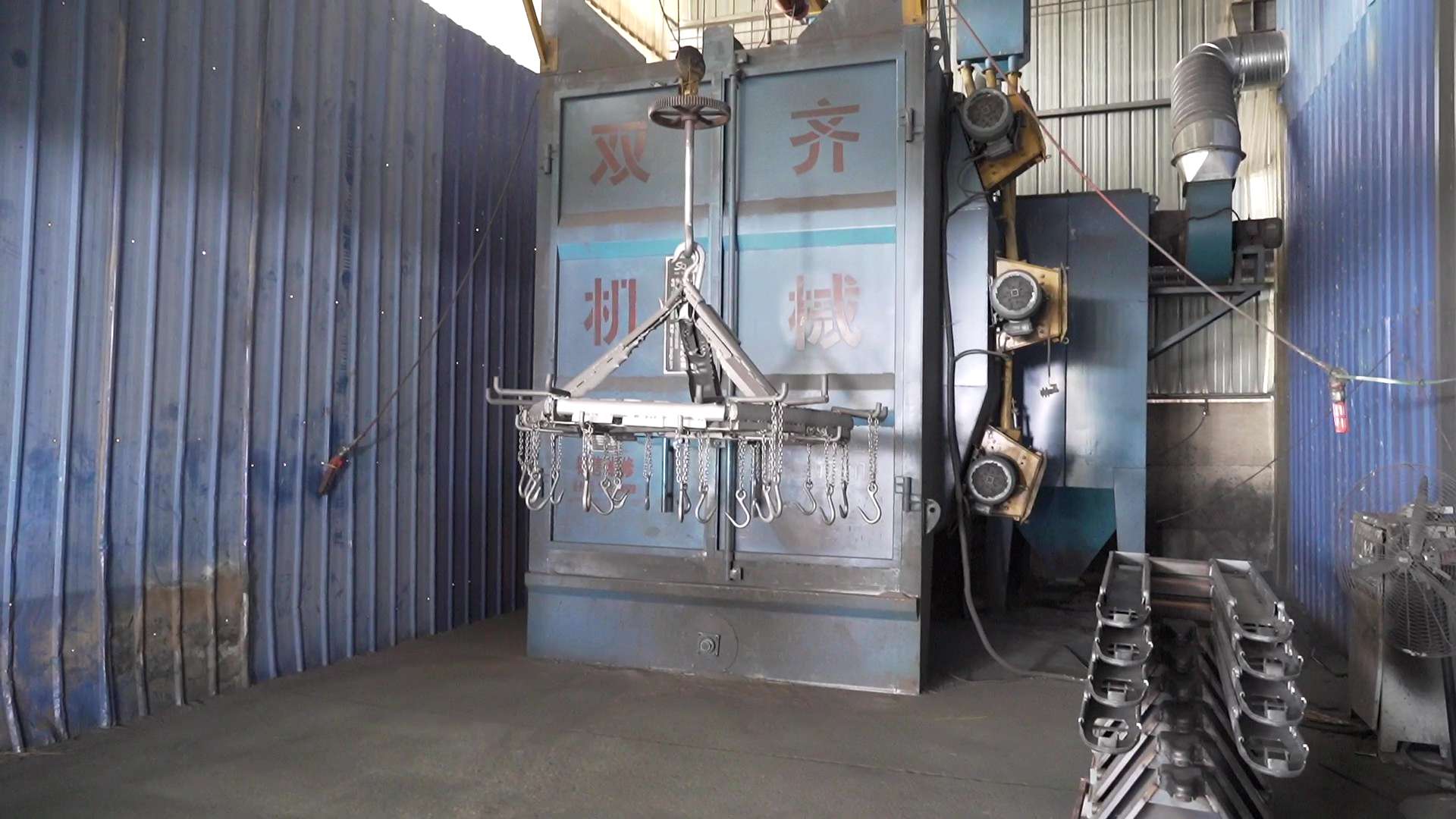
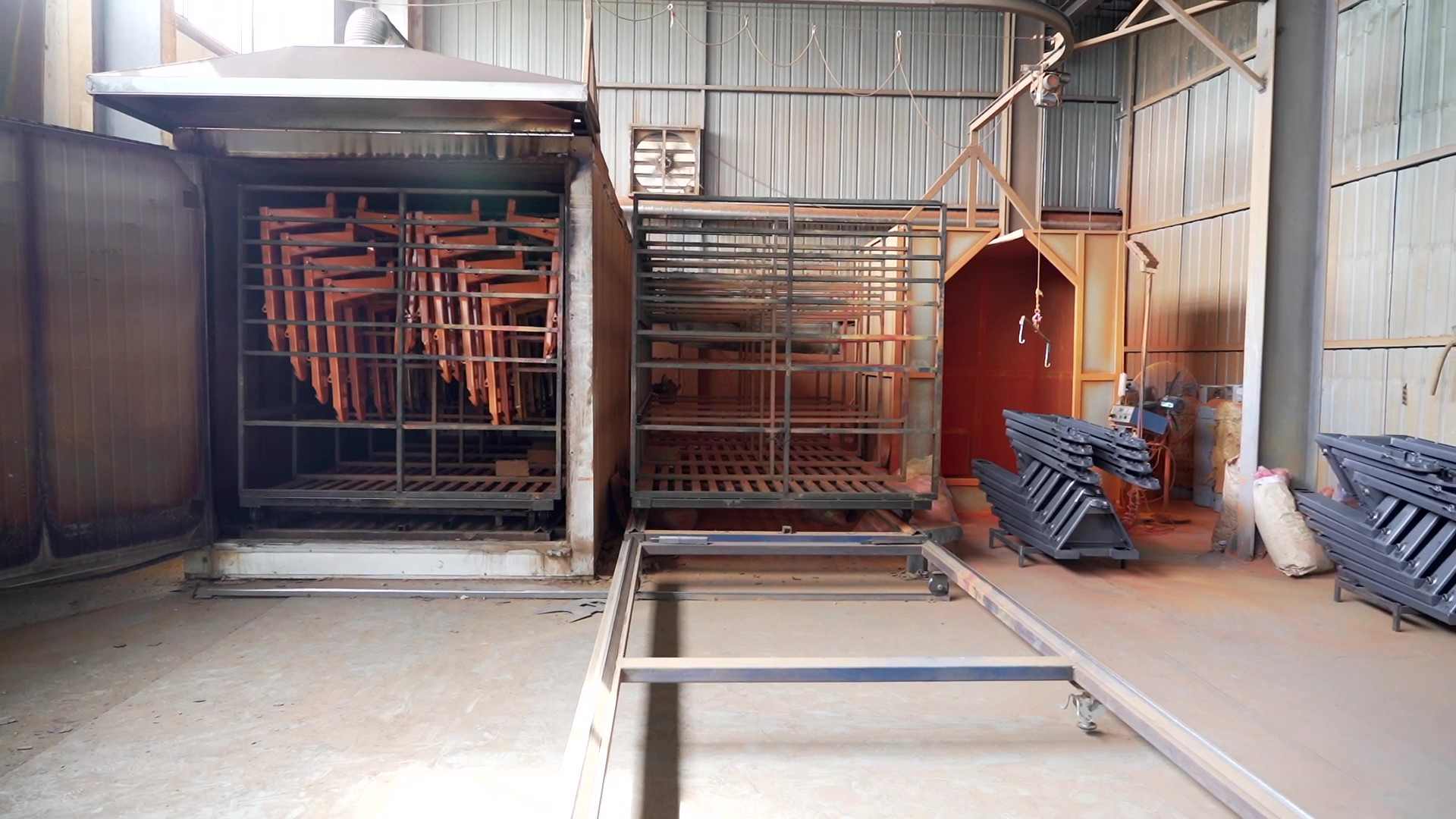
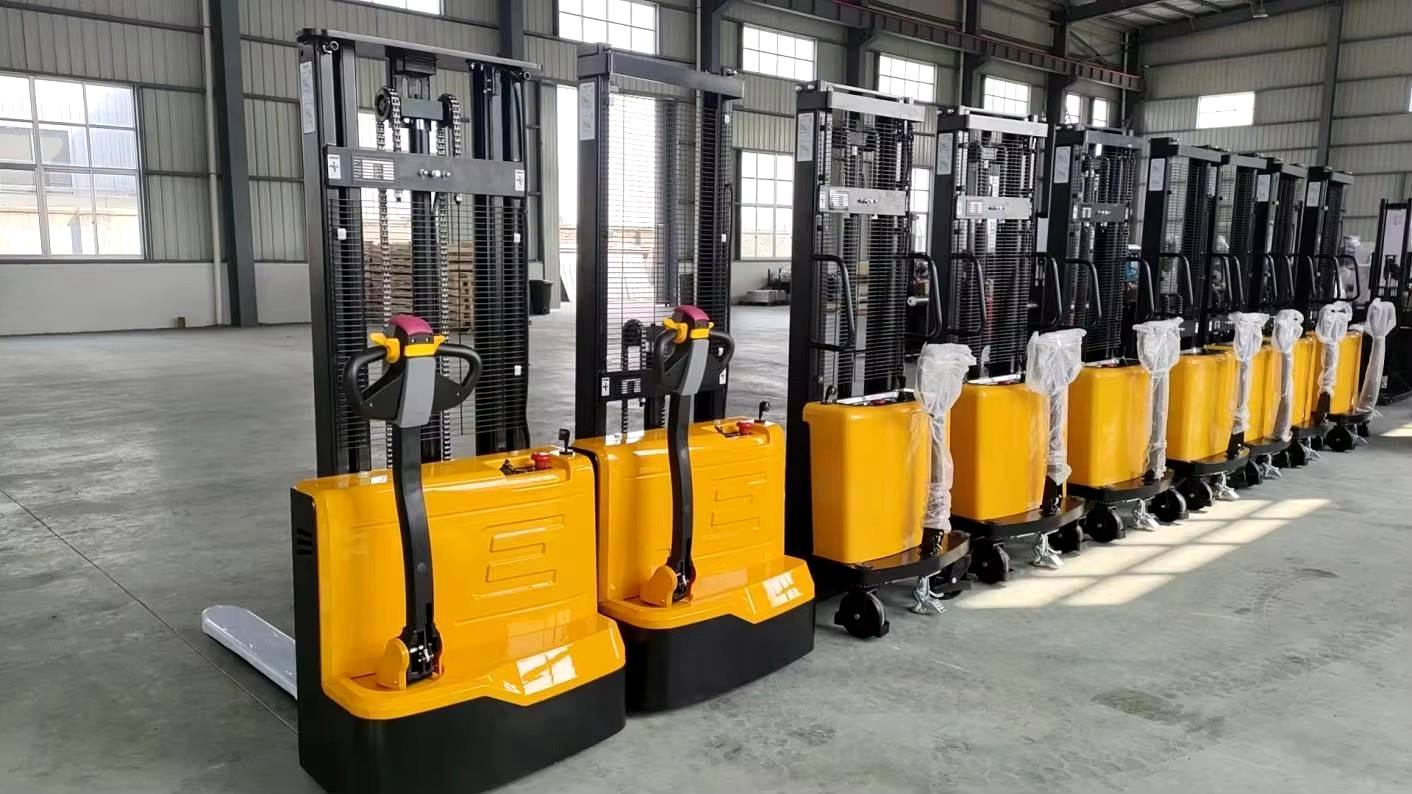
Inside our Foshan facility: Advanced fabrication, assembly lines, and rigorous quality inspection zones.
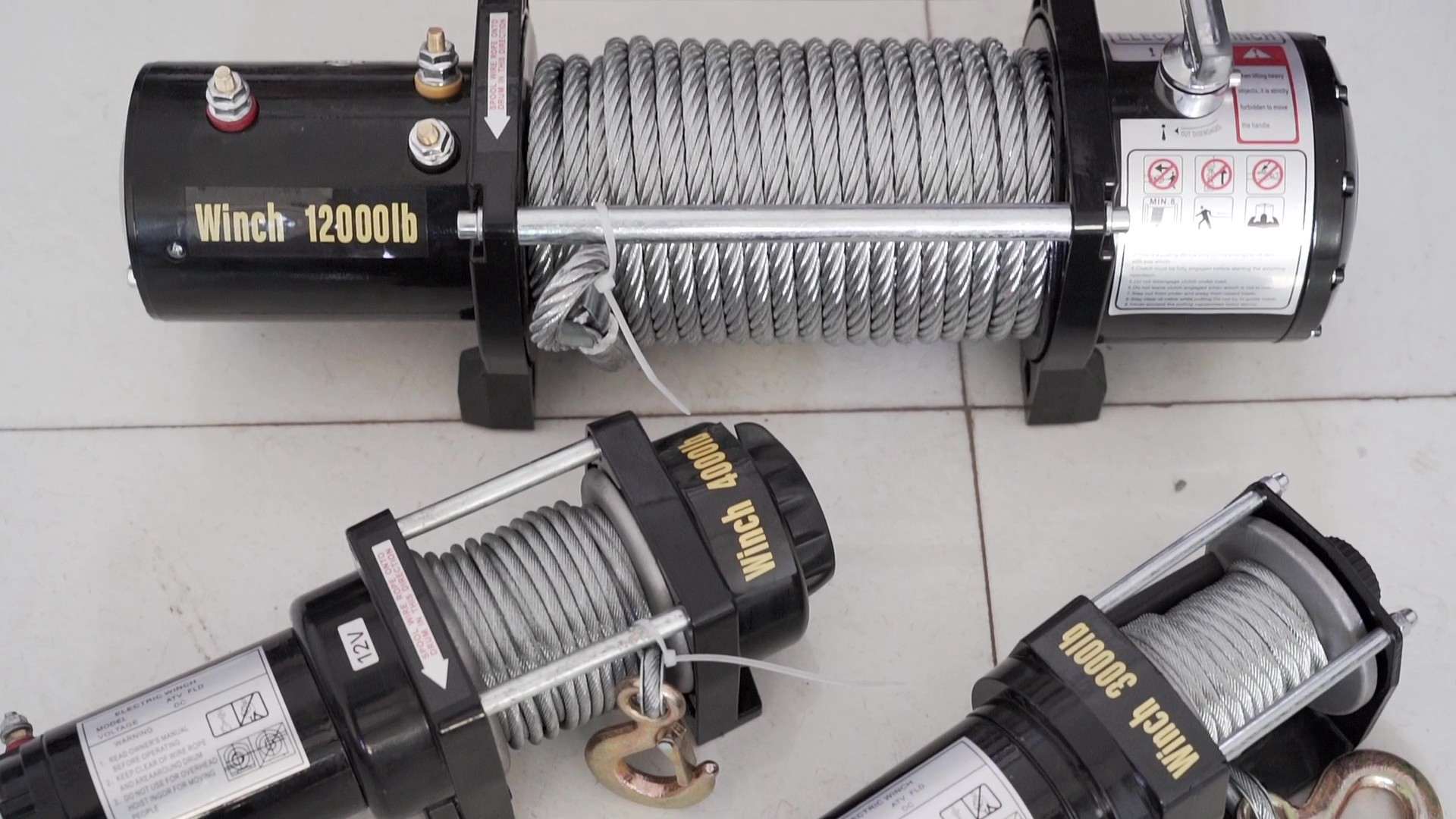
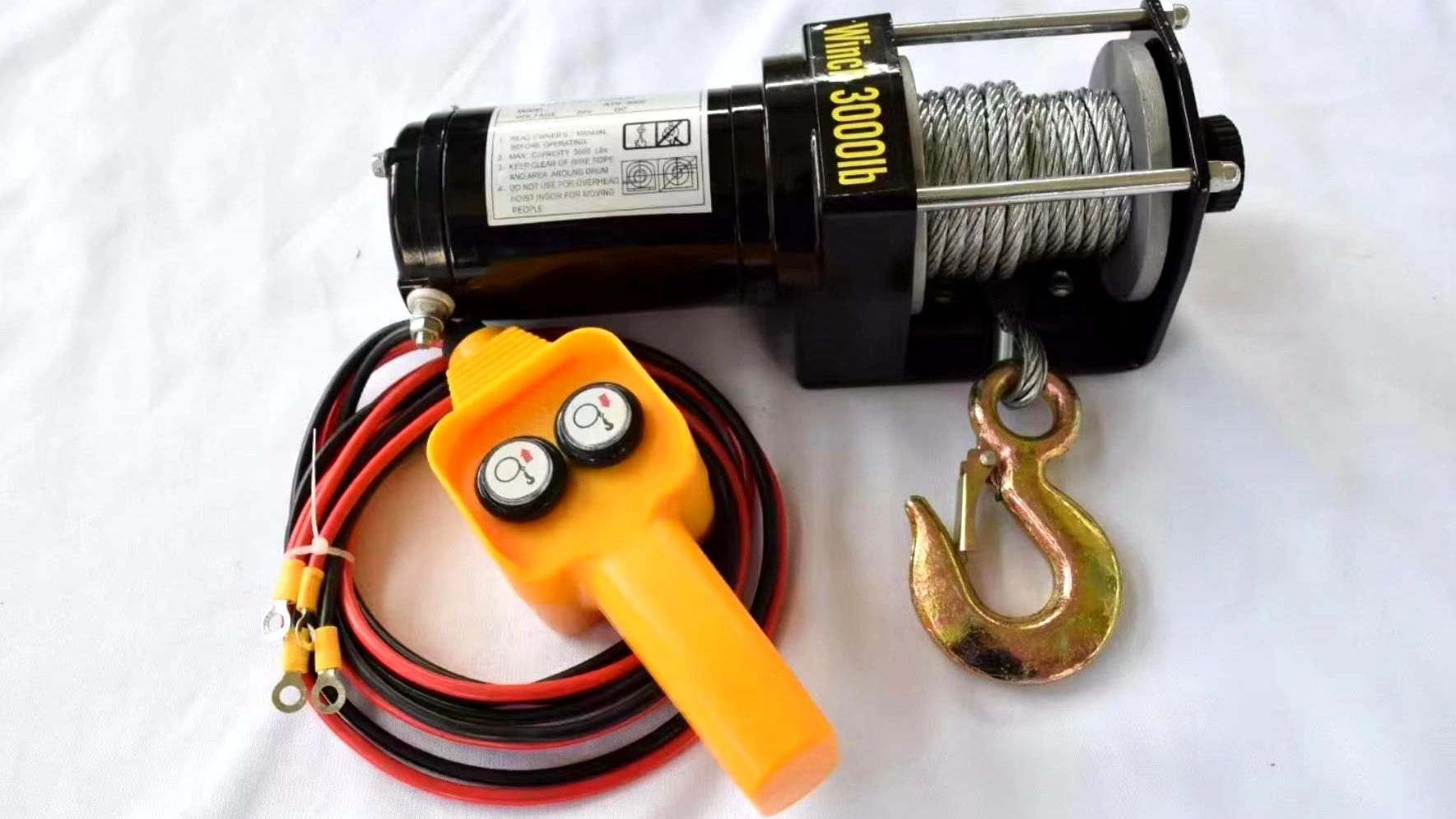
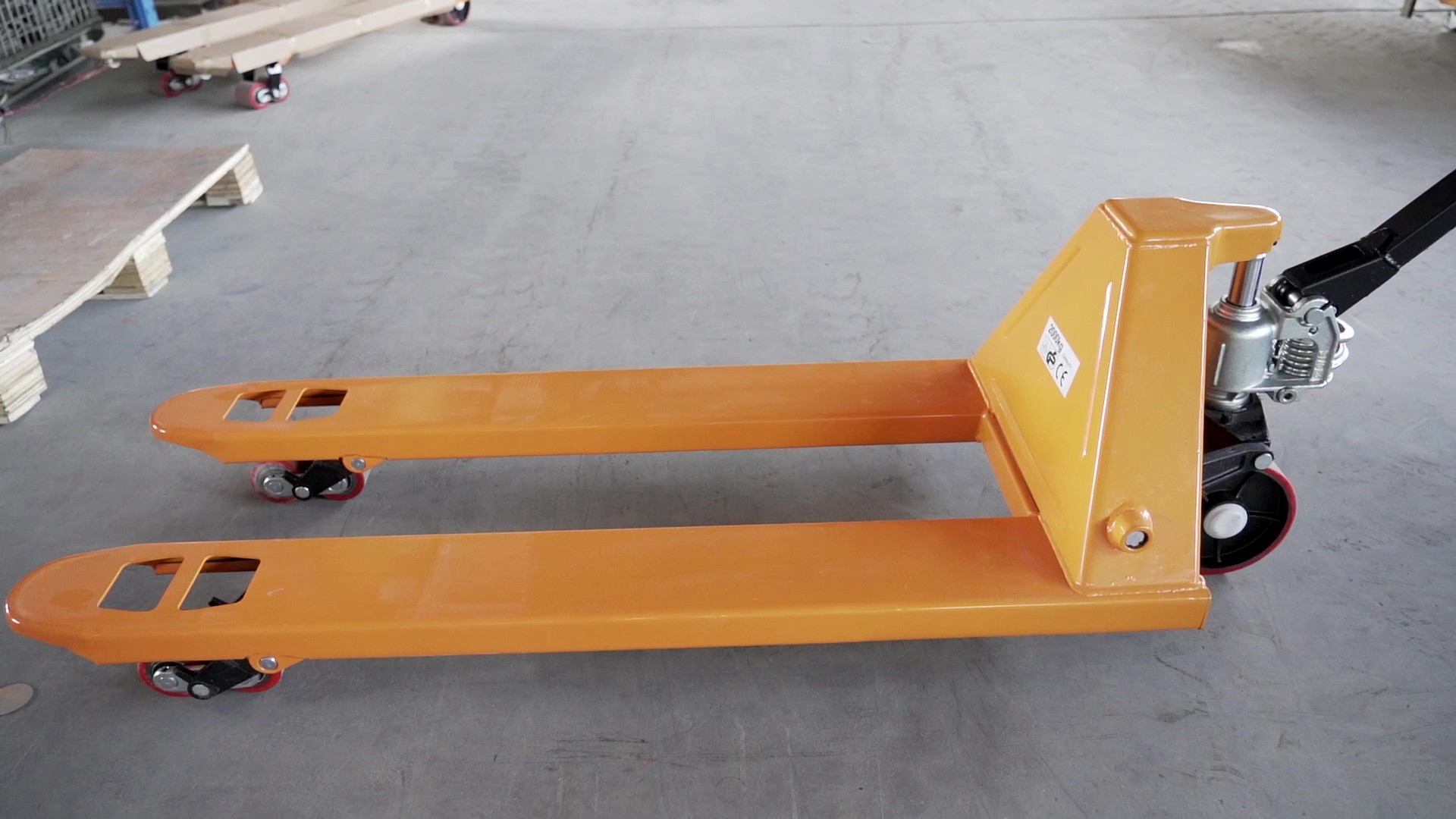
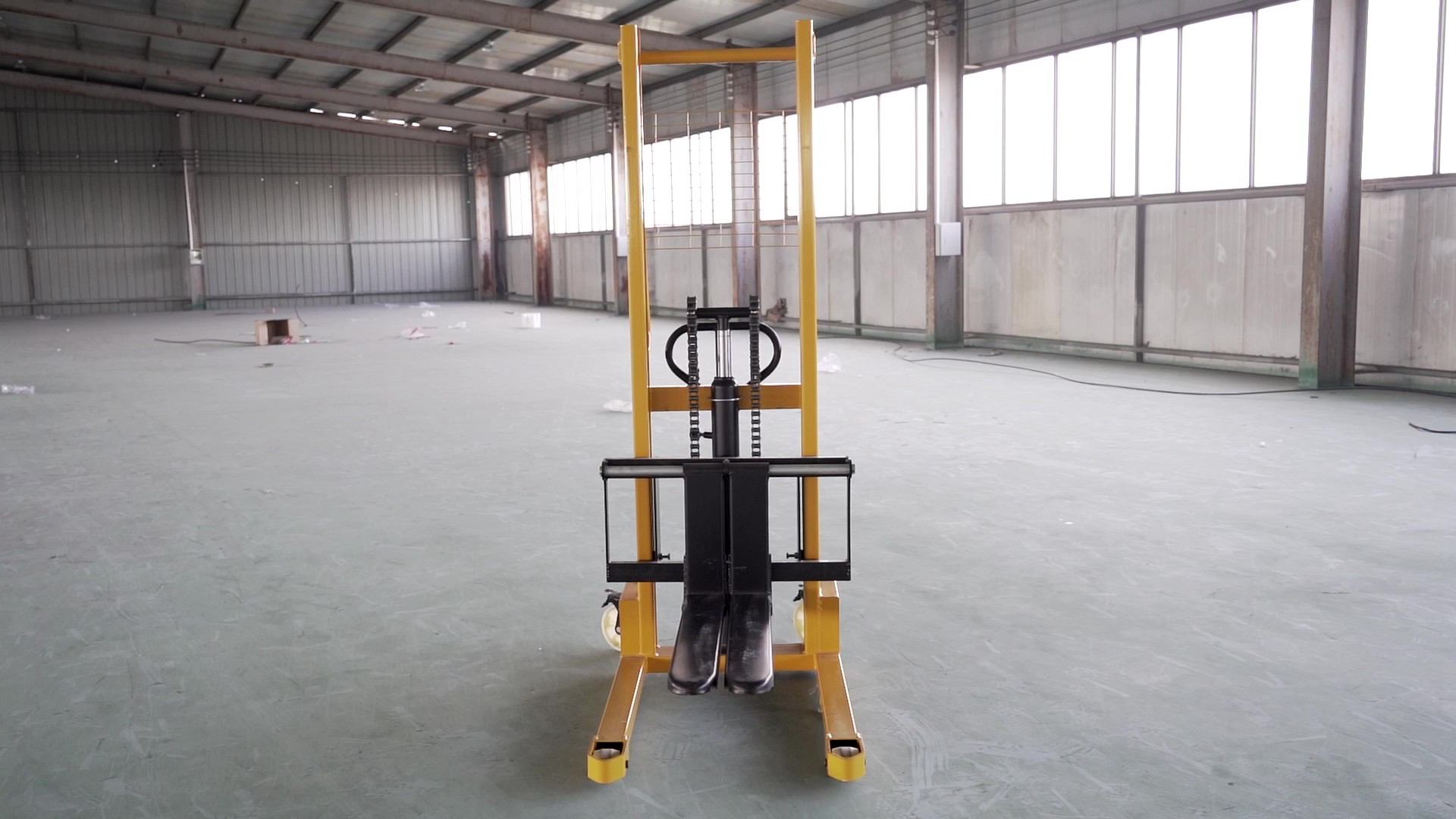
Technical guidance for warehouse managers, operations directors, and procurement officers.
Maximize vertical floor space and lift heavy components safely using our durable, industrial-grade equipment.
 CTRA Logistics