Engineered for extreme reliability, loading efficiency, and structural safety
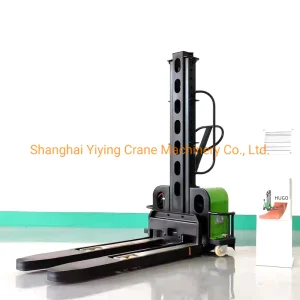
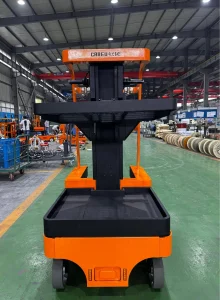
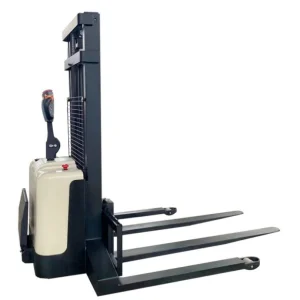
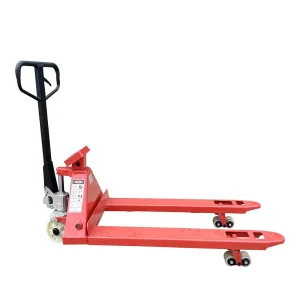
In modern multi-level industrial complexes, distribution centers, and manufacturing hubs, the vertical flow of heavy commodities demands robust mechanical design. Cargo lifts—often referred to as Vertical Reciprocating Conveyors (VRCs) or heavy-duty freight elevators—are the backbone of this logistics pipeline. Unlike typical passenger elevators, modern industrial cargo lifts are engineered to endure heavy impact loading, asymmetrical weight distribution, and continuous duty cycles.
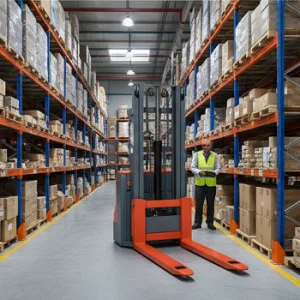
Currently, the global material handling market is experiencing a significant shift. Industrial architects are increasingly moving away from horizontal expansion toward vertical warehouse optimization. This transition is motivated by soaring land costs and the push for higher floor space utilization. As a result, the integration of robust cargo lifts with automation tools like walkie stackers, reach trucks, and automated guided vehicles (AGVs) has become a primary engineering strategy for operations globally.
Foshan CTRA Logistics Machinery Technology Co., Ltd. is a leading production and research organization specializing in modern logistics warehousing machinery and equipment. Strategically situated in Foshan City, Guangdong Province—a key global manufacturing hub—our team is dedicated to designing and exporting top-tier material handling equipment to international markets.
Established on a solid foundation of engineering expertise, we address the critical challenges of multi-level vertical transport. We manage the entire lifecycle of our products, starting from core raw material procurement to meticulous structural welding, rigorous quality control, and final loading supervision.
| Operational Parameter | Technical and Commercial Capacity |
|---|---|
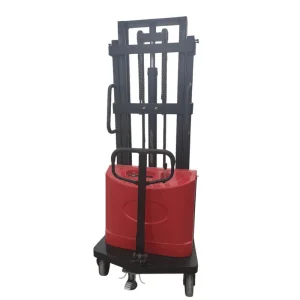
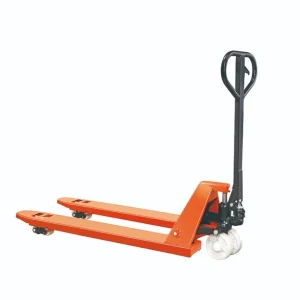
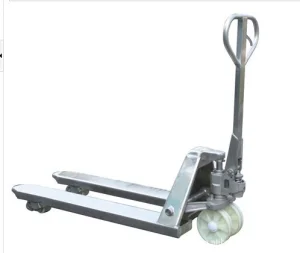
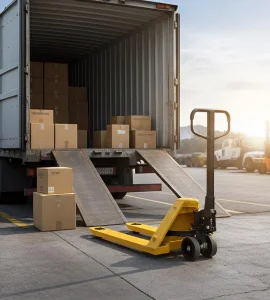
| Primary Products & Services | Hand Pallet Trucks, Hand Stackers, Electric Stackers, Tail Lifts, Dock Ramps, Lift Tables, and Integrated VRC Cargo Lifts |
| International Commercial Terms (Incoterms) | FOB, CFR, CIF, EXW, FCA |
| Flexible Payment Methods | L/C, T/T, and Western Union / Other Global Portals |
| Average Lead Time | Off-season lead time: 30 Days (One Month) / Peak Season: 45-60 Days |
| Annual Sales Volume | US$10 Million - US$50 Million |
| Annual Purchase Volume | US$10 Million - US$50 Million |
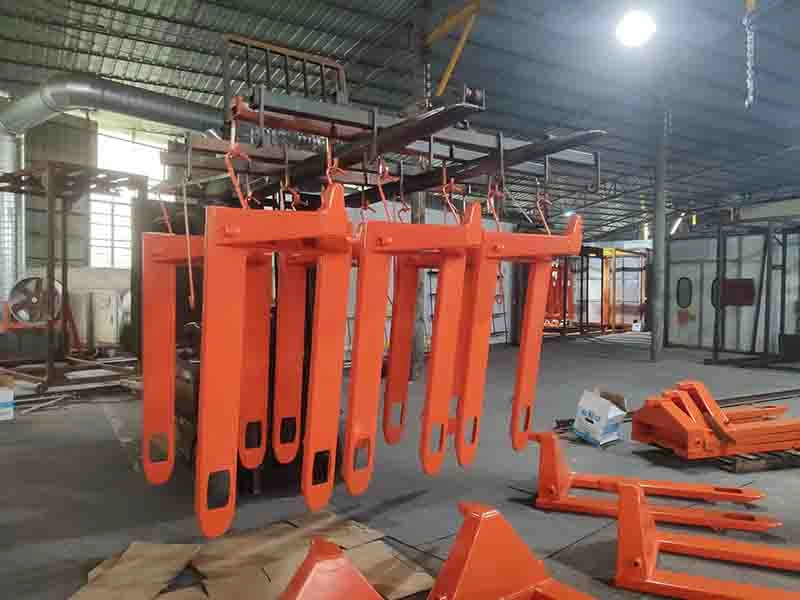
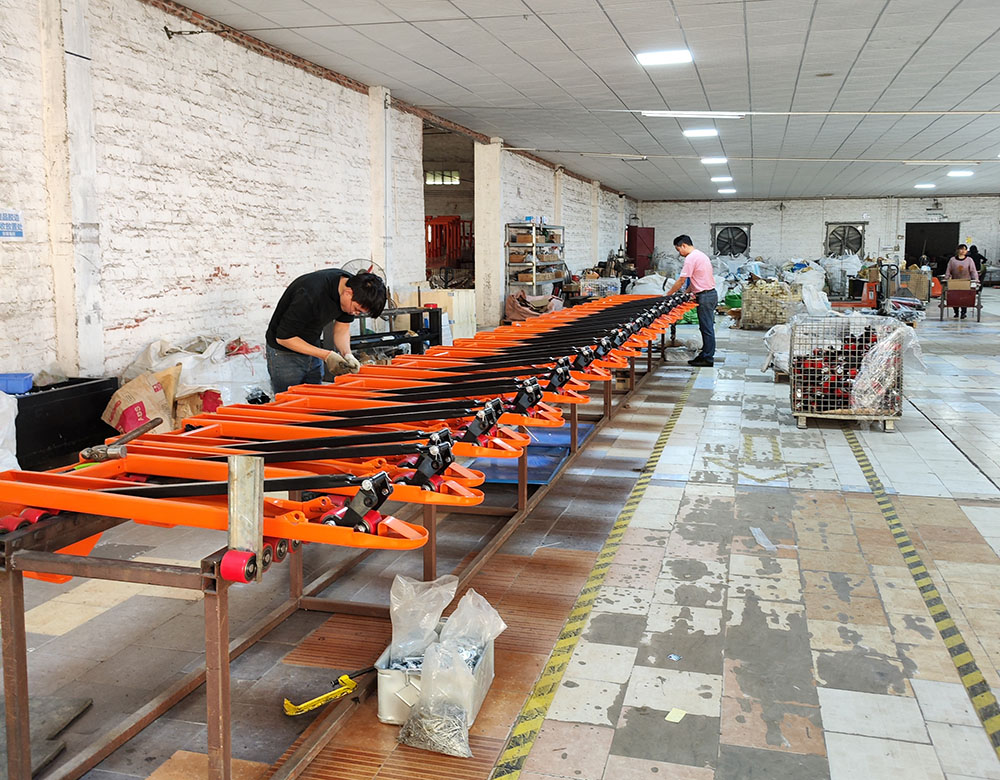
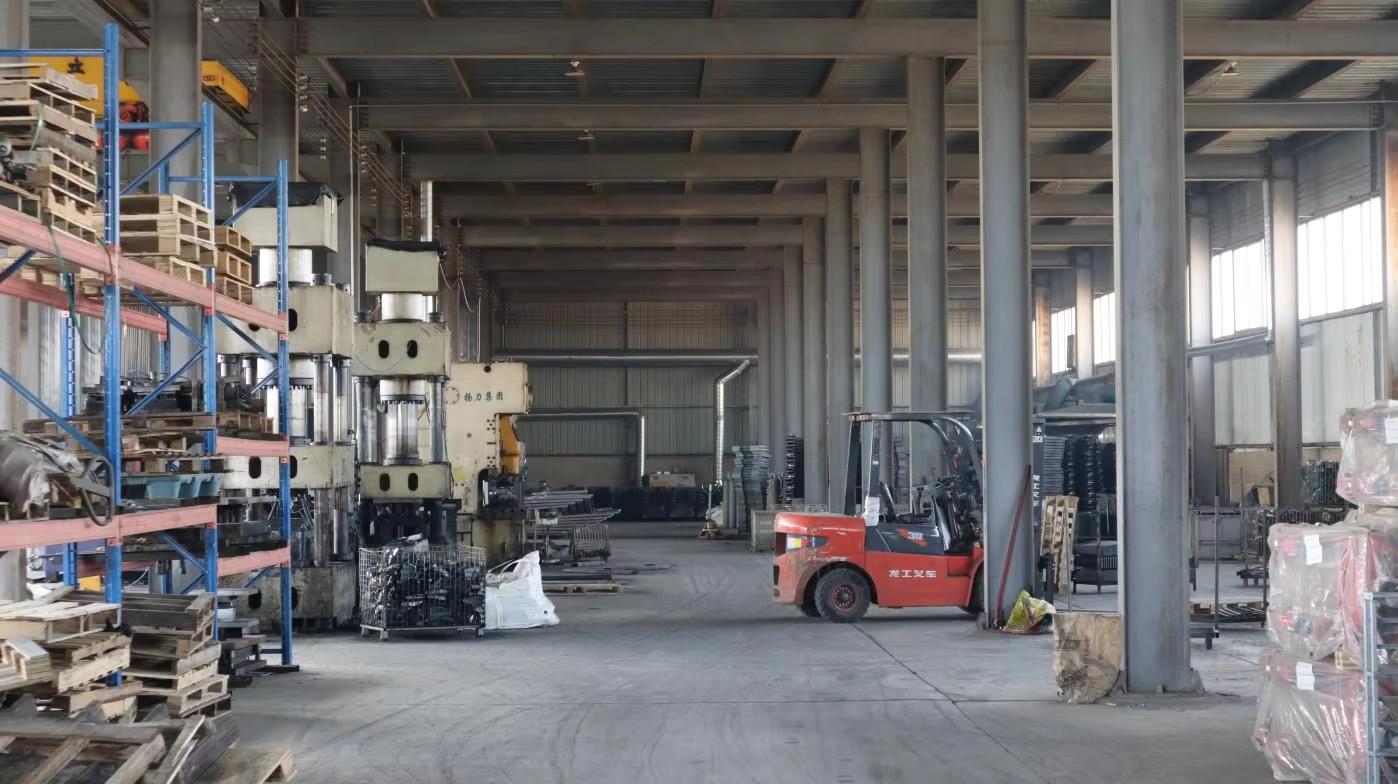
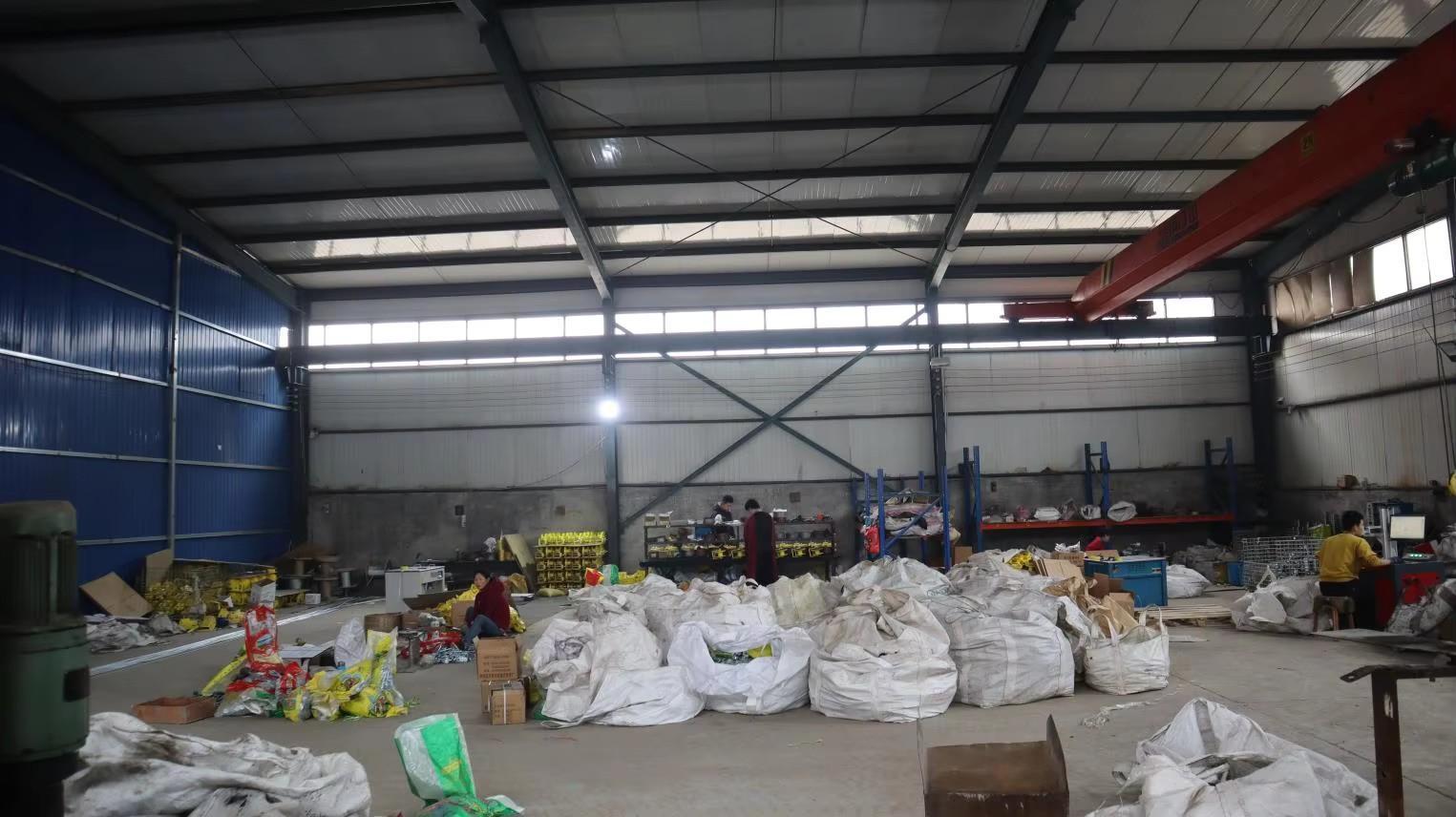
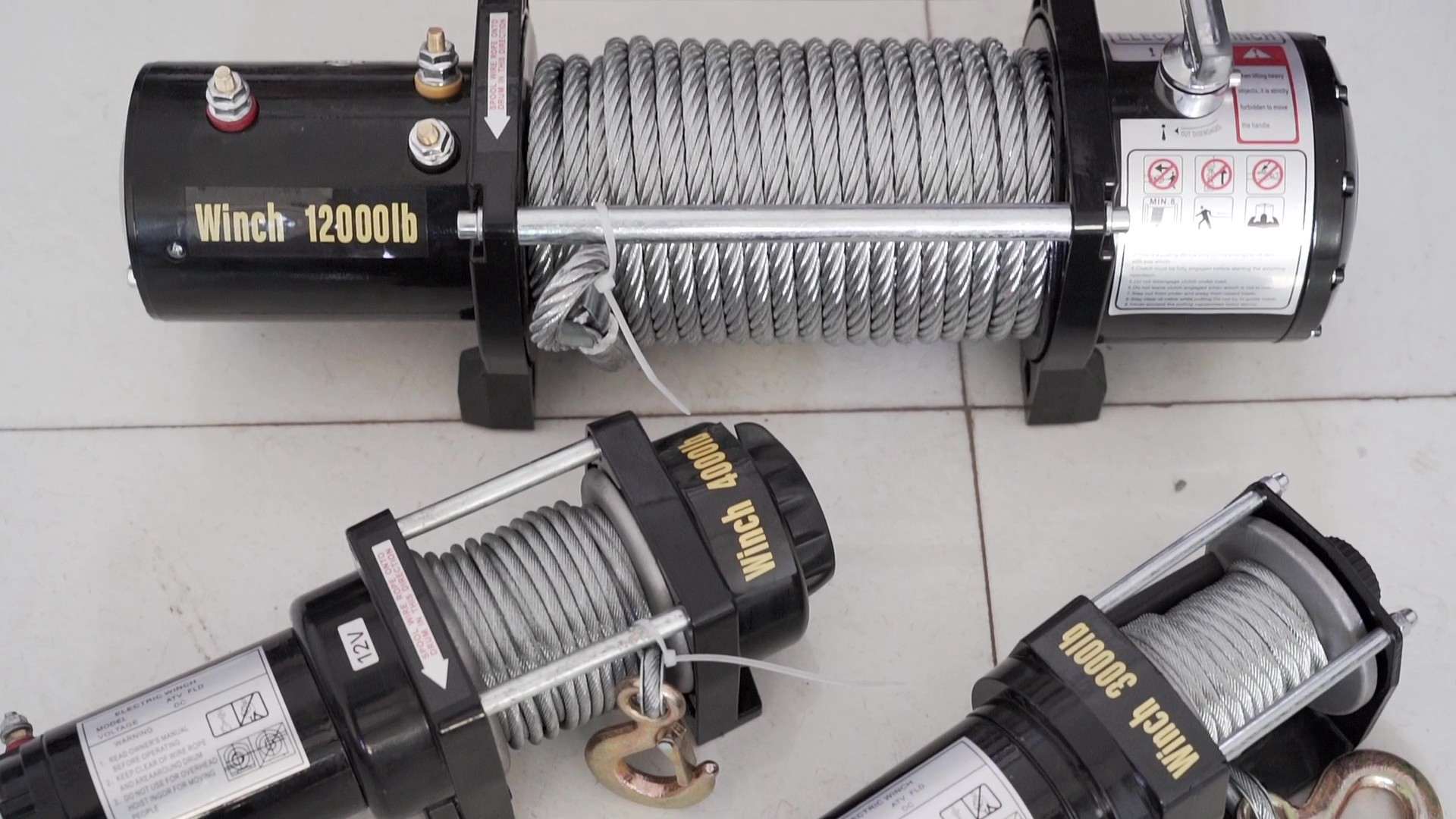
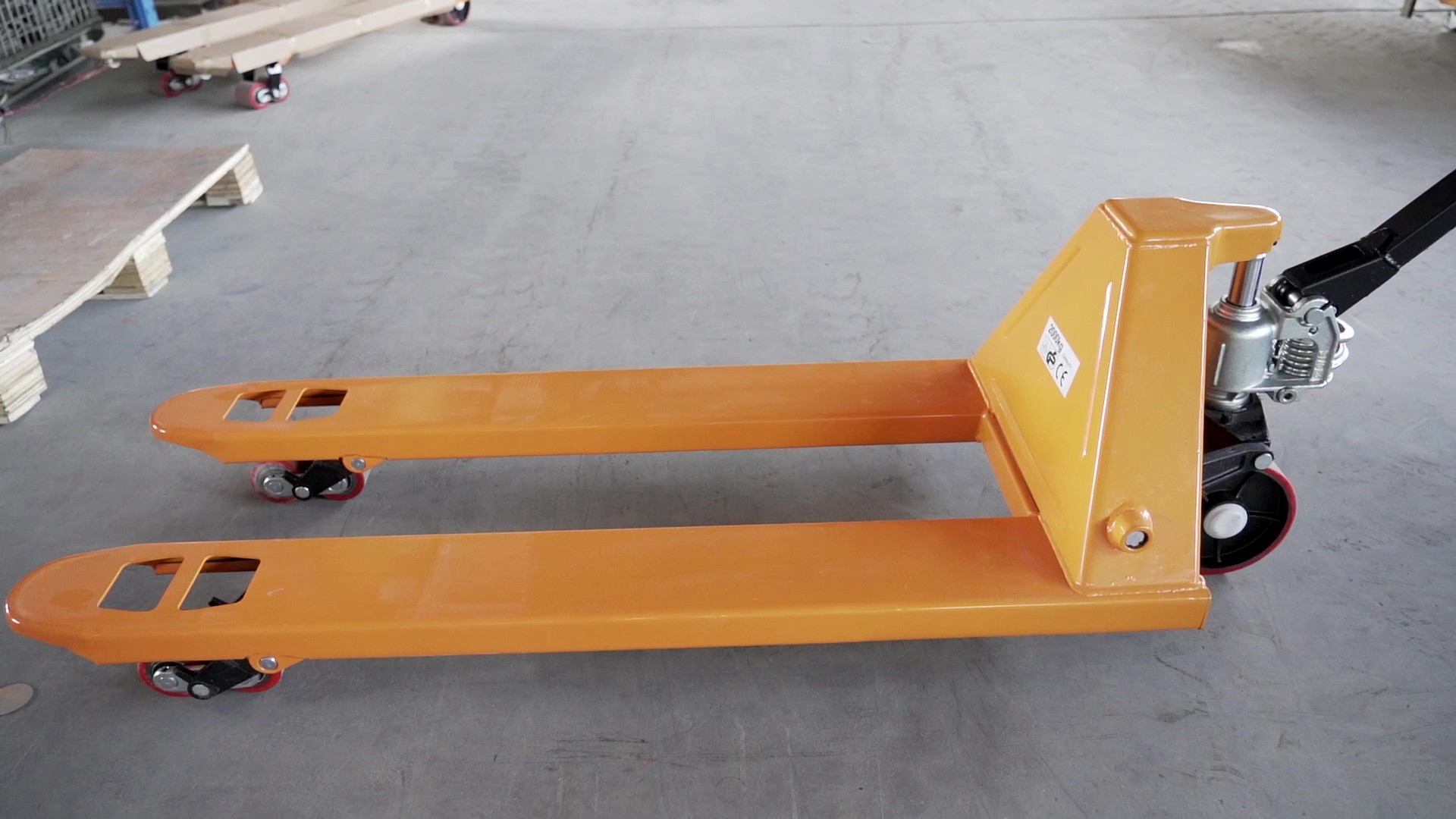
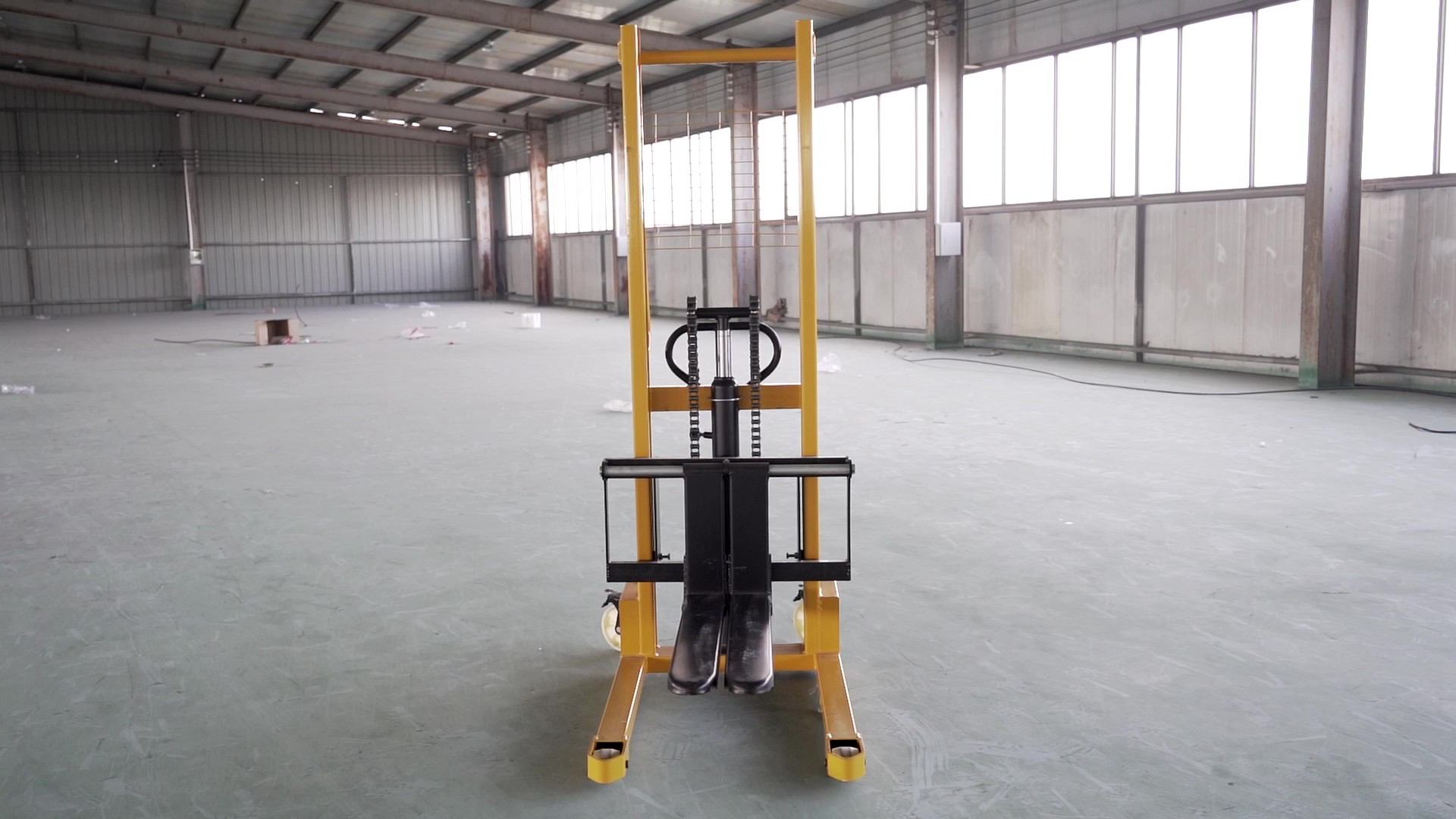
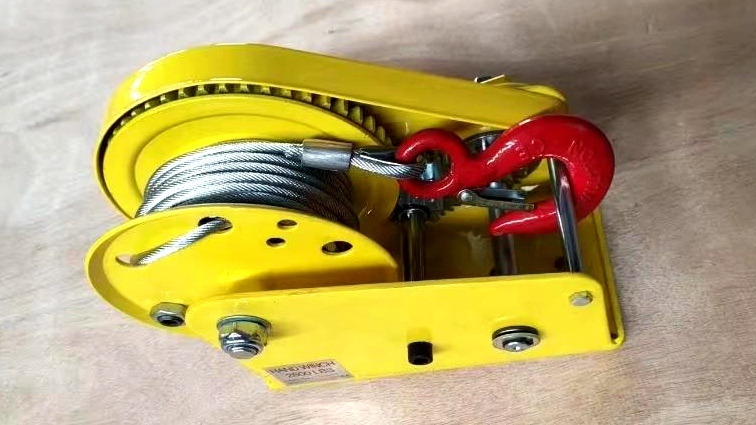
A visual tour of our structural steel fabrication, high-precision machining, assembly lines, and testing docks

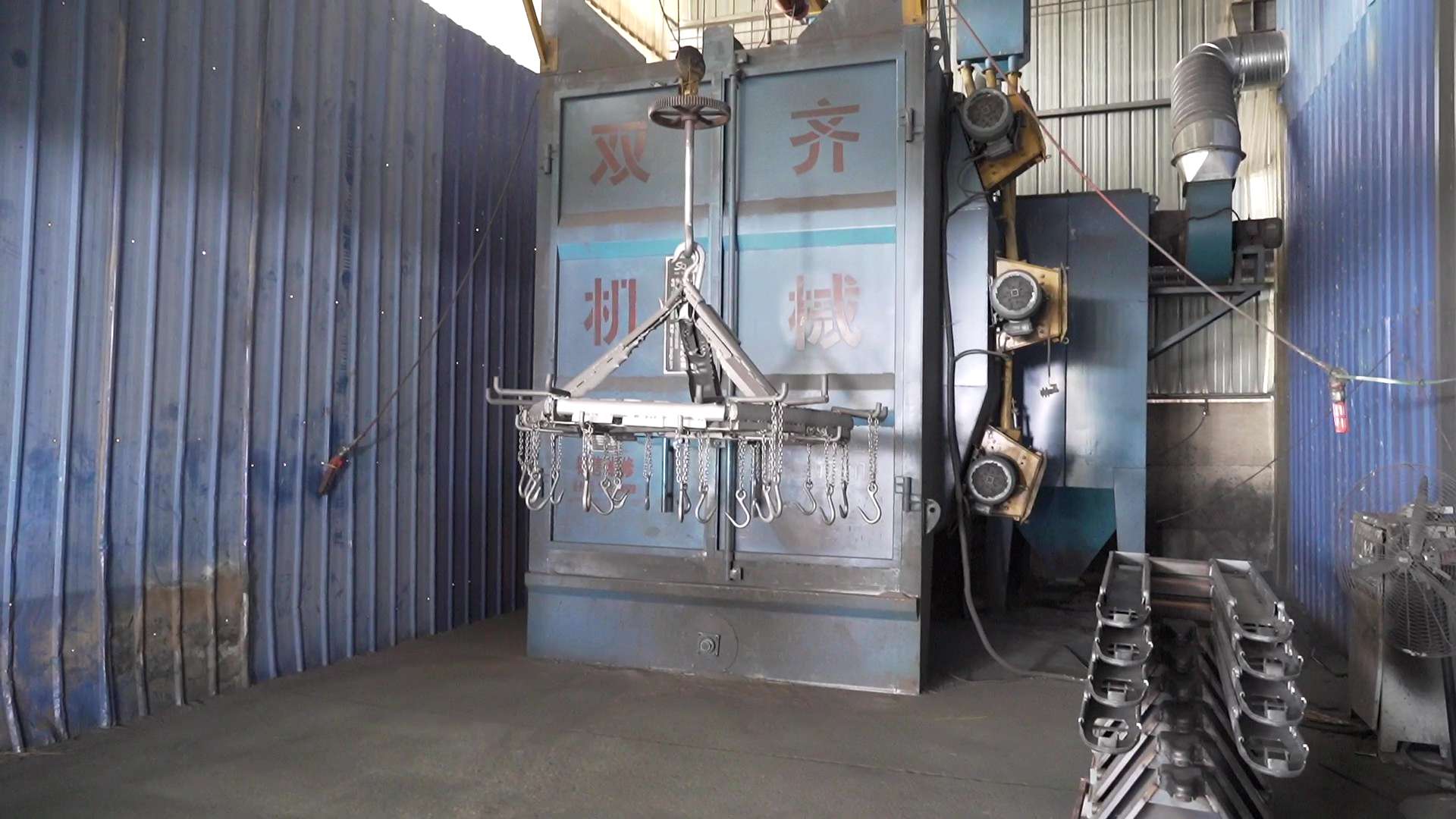
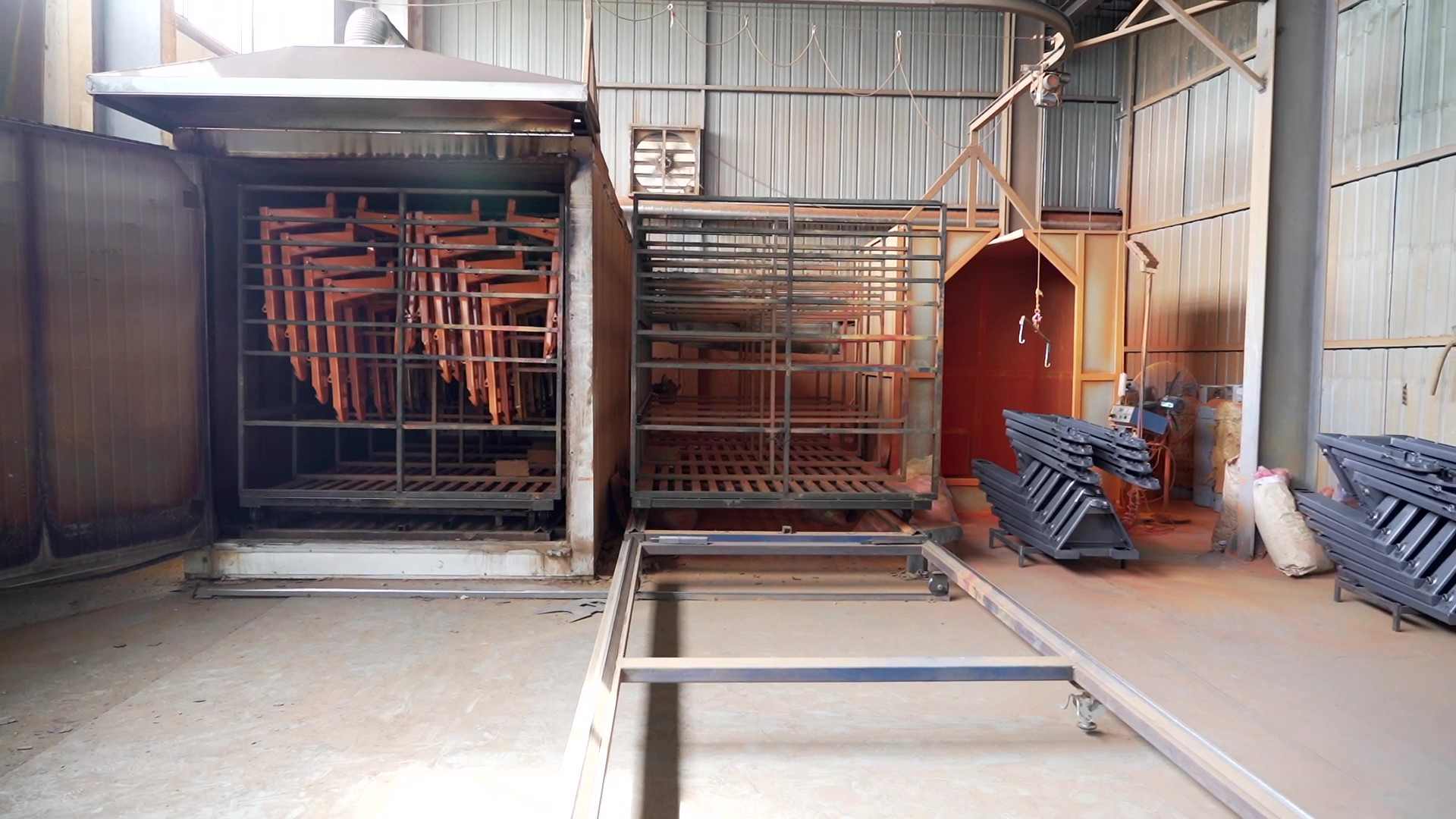
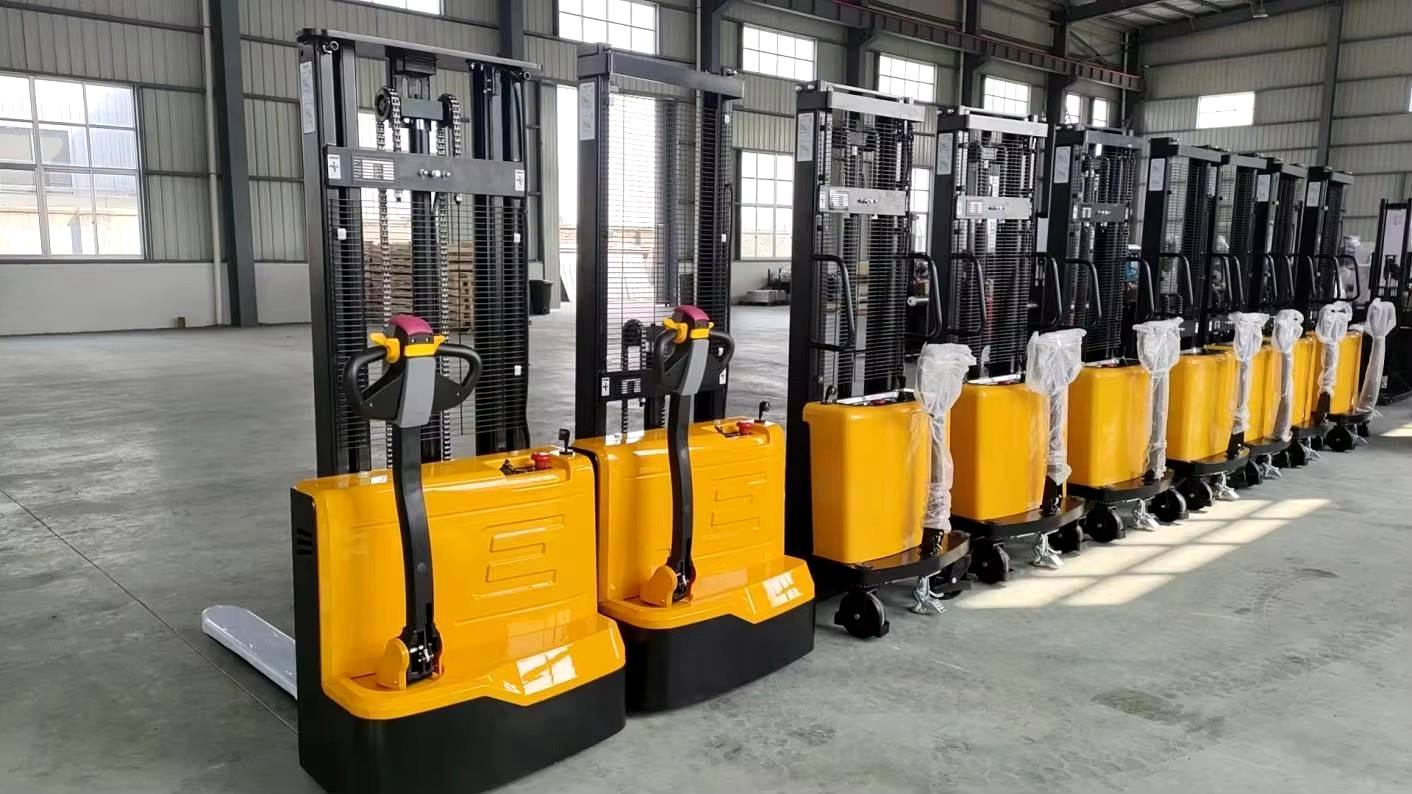
When procurement departments evaluate top cargo lift factories, they often focus solely on cost per unit. However, a comprehensive engineering assessment must weigh several critical mechanical, electrical, and structural parameters:
Structural stability depends on high-yield steel beams (such as Q345B). The durability of guide rails, chains, and cylinder seals determines how well the system resists structural fatigue under heavy loads.
Top-tier VRCs feature dual-chain setups, velocity fuses to prevent hydraulic line failure, and mechanical safety locks that engage automatically to prevent platform drops.
Advanced factories use standardized PLC control boards (such as Siemens or Mitsubishi) rather than simple relay circuits. This allows for easier diagnostics and seamless integration with warehouse systems.
Guangdong Province, especially the Foshan industrial corridor, is a global leader in high-volume machinery production. The local industrial supply chain provides a unique combination of efficiency, speed, and cost-effectiveness.
This local network ensures rapid access to precision component manufacturers, advanced laser cutters, automated welding stations, and professional surface-treatment facilities. By sourcing components within a small geographic radius, Chinese manufacturers significantly reduce transportation lead times and raw material overhead.
Furthermore, our proximity to major deep-water shipping terminals in Guangzhou and Shenzhen simplifies global distribution. These logistics links ensure reliable transit schedules to key markets across Europe, the Americas, and Southeast Asia.
Modern cargo lift technology is evolving rapidly. Key engineering developments shaping the future of material handling include:
Operating in international industrial markets requires strict adherence to safety standards. Every piece of vertical lift equipment must comply with the local regulations of its installation site:
| Jurisdiction | Applicable Standard | Core Compliance Requirements |
|---|---|---|
| European Union | Machinery Directive 2006/42/EC / EN 81-31 | Demands comprehensive CE marking, integrated safety locks, overload sensors, and secure perimeter fencing. |
| United States | ASME B20.1 & OSHA 1910.212 | Regulates Vertical Reciprocating Conveyors (VRCs); prohibits passenger transit on cargo platforms and requires rigid mechanical interlocks. |
| Global / ISO | ISO 9001:2015 | Establishes global standards for quality management systems across structural welding, assembly, and testing phases. |
Essential questions answered for global procurement directors, warehouse managers, and structural engineers
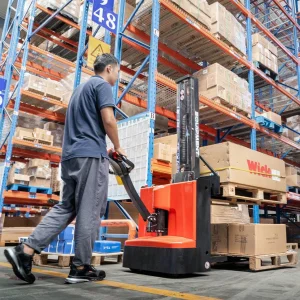
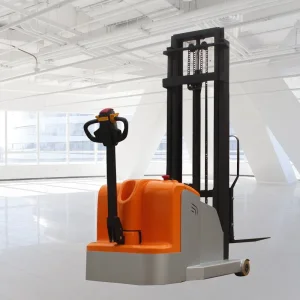
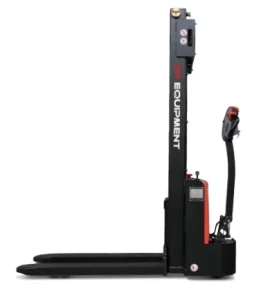
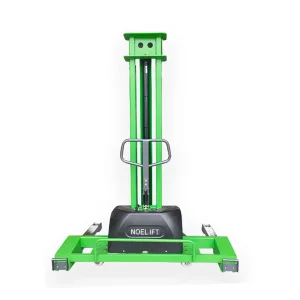
High-performance warehouse machinery built for heavy duty applications
 CTRA Logistics