Engineered for durability, high load capacities, and absolute operational safety across critical logistics infrastructure.
Whitepaper Insight: Elevating structural efficiency, reducing cycle times, and minimizing ergonomics hazards in the modern industrial workplace.
The mechanical core of any premium hydraulic lift table is its scissors mechanism. By utilizing heavy-gauge structural steel tubes or solid steel plates, manufacturers ensure structural rigidity under torsional load stresses. Optimal scissor arm geometry reduces initial lifting pressure, ensuring smooth acceleration profiles and minimizing hydraulic fluid pressure spikes.
Modern HPUs feature precision-machined gear pumps, heavy-duty induction motors, and custom valve manifolds. Integrated velocity fuses stop platform descent instantly in the rare event of a line rupture. High-performance HPUs maintain tight dimensional control over lowering speeds, ensuring consistency regardless of payload mass variation.
By positioning heavy workpieces at exact worker comfort heights, custom table lifts mitigate repetitive strain injuries (RSIs). Integrating smart control peripherals like foot pedals, hand pendants, and automated height sensors translates into immediate cycle-time savings and reduced worker fatigue in assembly, packaging, and sorting lanes.
In high-throughput environments, off-the-shelf equipment introduces critical bottlenecks. Factory lines require tailored geometries, custom platform sizes, specialized safety barriers, and integration with PLC networks. Working directly with an experienced OEM manufacturer like Foshan CTRA Logistics Machinery Technology Co., Ltd. allows buyers to specify the exact stroke length, duty cycles, surface finishes (such as high-grade galvanized or food-safe stainless steel), and load ratings required for specialized operations.
How regional supply chain clusters and technological advancements drive value for international industrial procurers.
Foshan, located in Guangdong Province, stands as a premier global manufacturing cluster. The concentration of metal fabrication suppliers, laser cutting services, specialized coating facilities, and expert hydraulic systems developers allows Foshan-based manufacturers to build heavy material handling machines with unmatched cost-to-performance ratios. Below are the structural advantages that set our factory apart:
By operating inside China's key industrial heartland, we source raw structural steel, high-tensile cylinders, and top-tier electronics directly from localized Tier-1 component suppliers. This geographical advantage shortens development pipelines, reduces shipping overheads, and guarantees component quality control from raw state to final delivery.
Our engineering division leverages state-of-the-art robotic welding systems, CNC machining centers, and automated blast-and-powder-coating stations. This advanced tooling ensures precise structural tolerances and rugged finishes that withstand harsh industrial environments, salt-mist, and high-frequency usage over decades.
Our products undergo rigorous testing processes to align with global standards such as CE compliance, EN 1570 guidelines for lift tables, and ANSI/ASME safety regulations. Each unit undergoes full dynamic weight testing, hydraulic pressure leakage diagnostics, and limit switch calibration checks prior to export packing.
Deploying specialized hydraulic lifting systems across diverse economic sectors to optimize flow and ensure worker safety.
In automotive assembly lines, lifting components like engines, chassis elements, and batteries require precise positioning. Hydraulic table lifts integrated with rotation rings, tilting platens, and roller conveyors allow operators to align heavy machinery effortlessly. Our custom lifts interface directly with automotive main PLC systems via Profinet or Modbus protocols to sync lifting sequences with assembly progress.
Cleanroom environments demand contamination-free engineering. We design specialized lift tables built with 304 or 316-grade stainless steel surfaces, wash-down-rated IP66 electrical enclosures, and non-toxic, food-grade hydraulic fluids. These precautions resist corrosive sanitizing chemicals and prevent product contamination in medical packaging and food-processing plants.
Material handling equipment in cold storage must withstand temperatures as low as -30°C without structural failure or fluid thickening. Our engineering incorporates low-temperature viscosity hydraulic oil, specialized seals that maintain elasticity under extreme cold, and anti-corrosive powder finishes to combat humidity build-up and condensation cycles.
A specialized research, development, and production facility focusing on high-capacity warehousing machinery and warehousing equipment.
Foshan CTRA Logistics Machinery Technology Co., Ltd. is a modern production organization engaged in the development of modern logistics and storage machinery. Our production plant is strategically situated in Foshan City, Guangdong Province, a key manufacturing industry town in China. Established in 2021 as a global brand front, our production lineage traces back to 2013, granting us over a decade of core industry experience. We are dedicated to providing high-quality logistics machinery to international buyers, satisfying the strict quality requirements of global industrial players.
| Key Enterprise Trade & Service Metrics | |
|---|---|
| Products/Service Offered | Hand Pallet Truck, Hand Stacker, Electric Stacker, Tail Lift, Dock Ramp, Lift Table |
| Incoterm Protocols | FOB, CFR, CIF, EXW, FCA |
| Terms of Payment | L/C, T/T, and other flexible arrangements |
| Average Lead Time | Off-season lead time: One month (Custom build times determined by design complexity) |
| Annual Sales Volume | US$10 Million - US$50 Million |
| Annual Purchase Volume | US$10 Million - US$50 Million |
Our infrastructure stretches across a modern 10,000 to 30,000 square meter production facility. Below are verified imagery showcases detailing our production processes, raw stock material preparation, and precision machinery assembly bays.
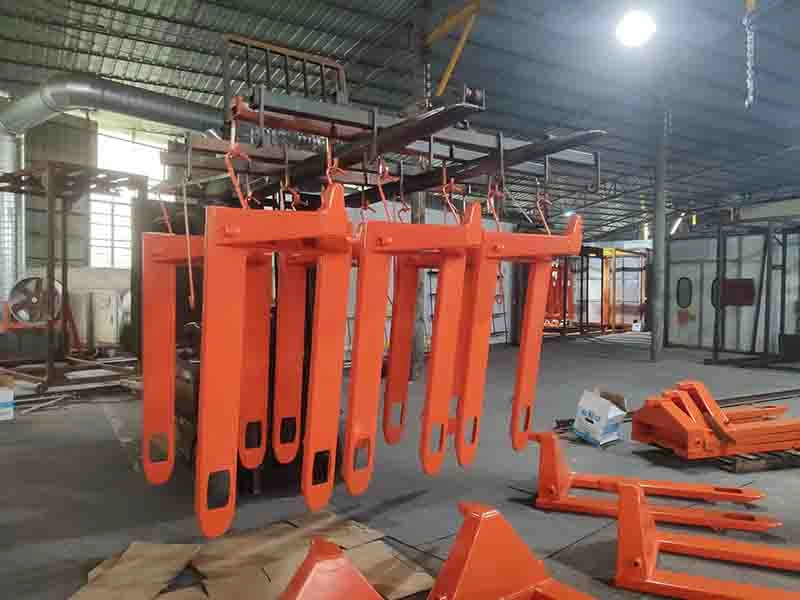
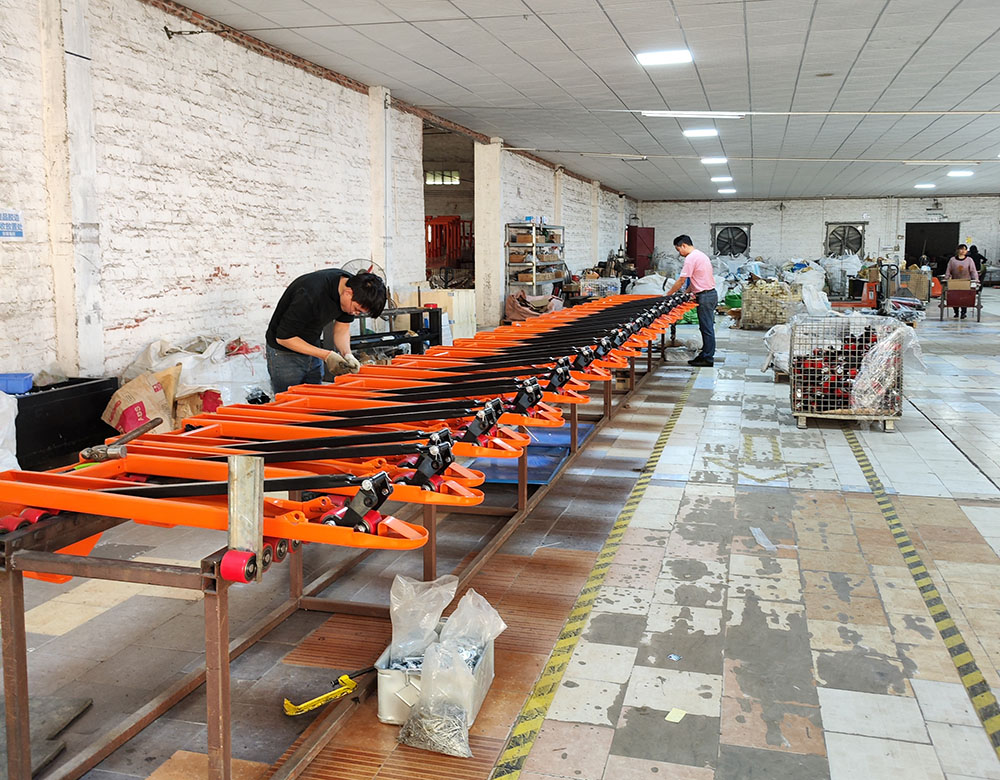
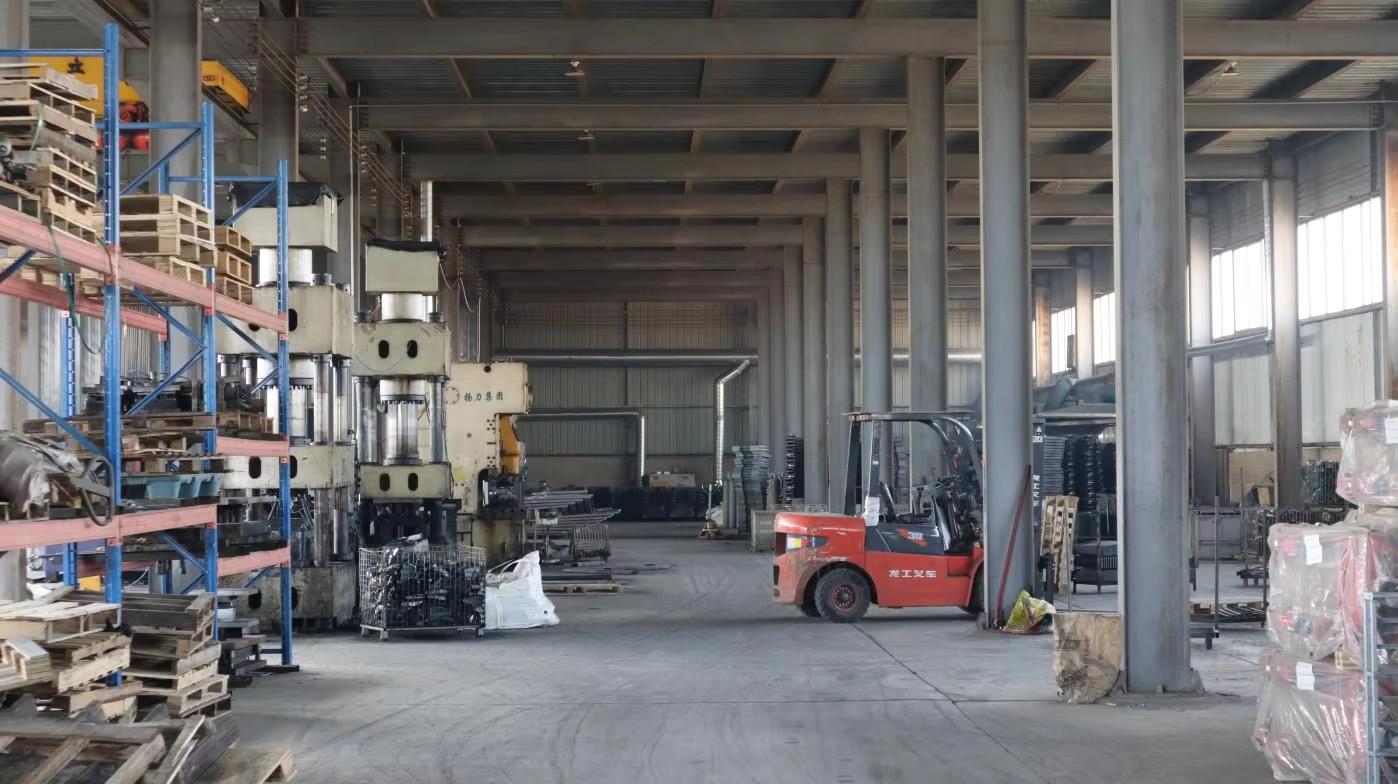
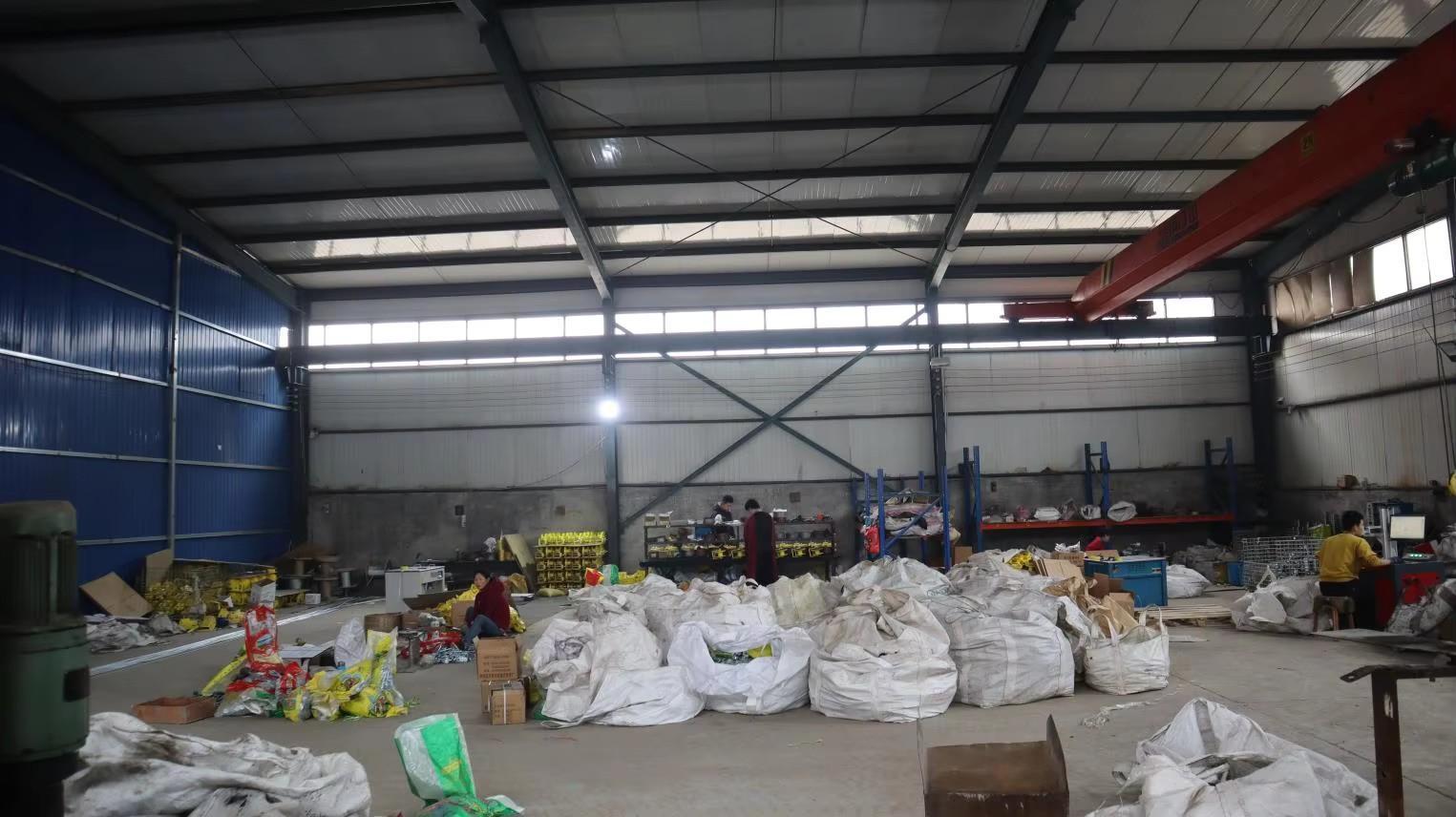
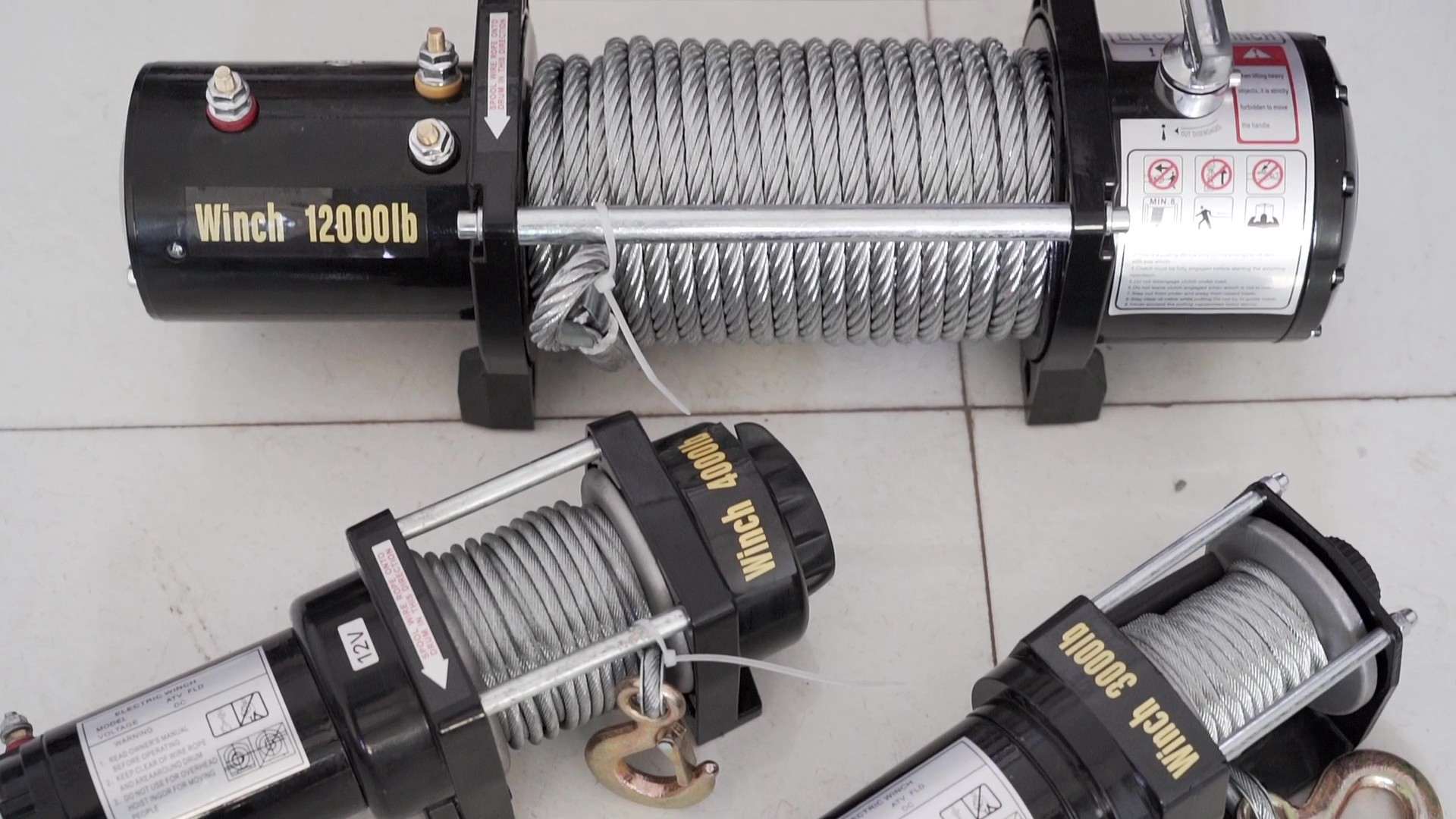
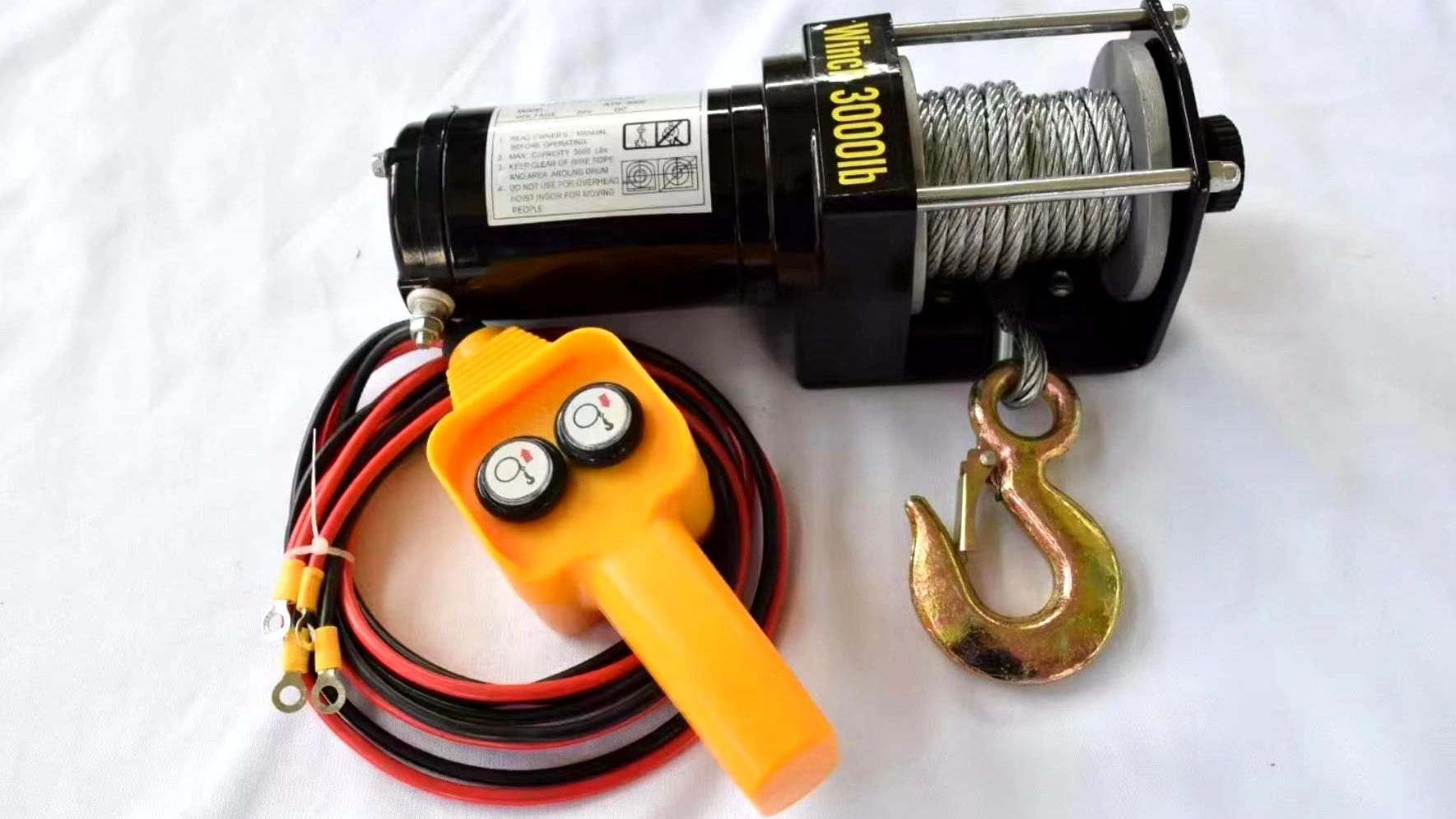
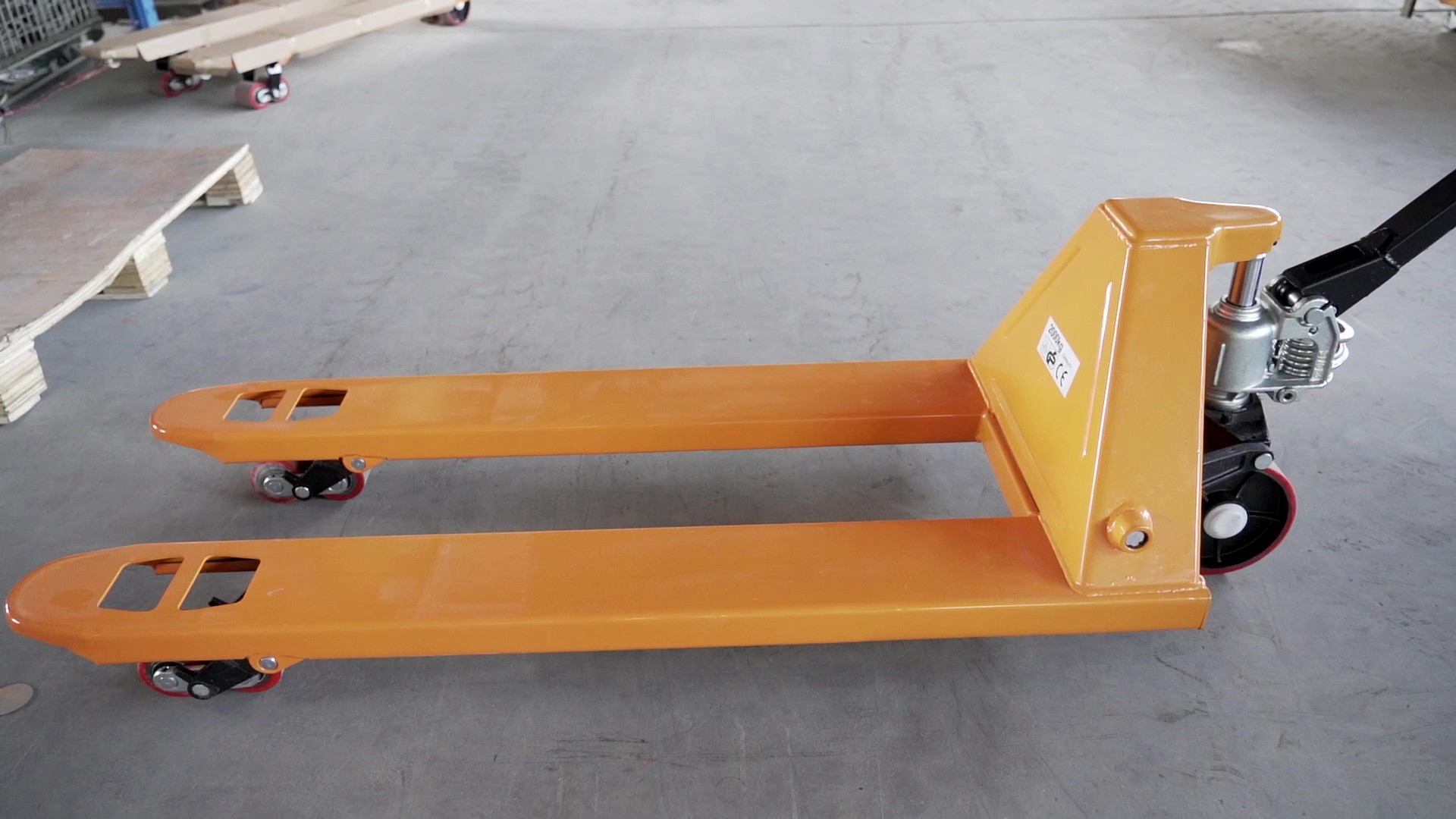
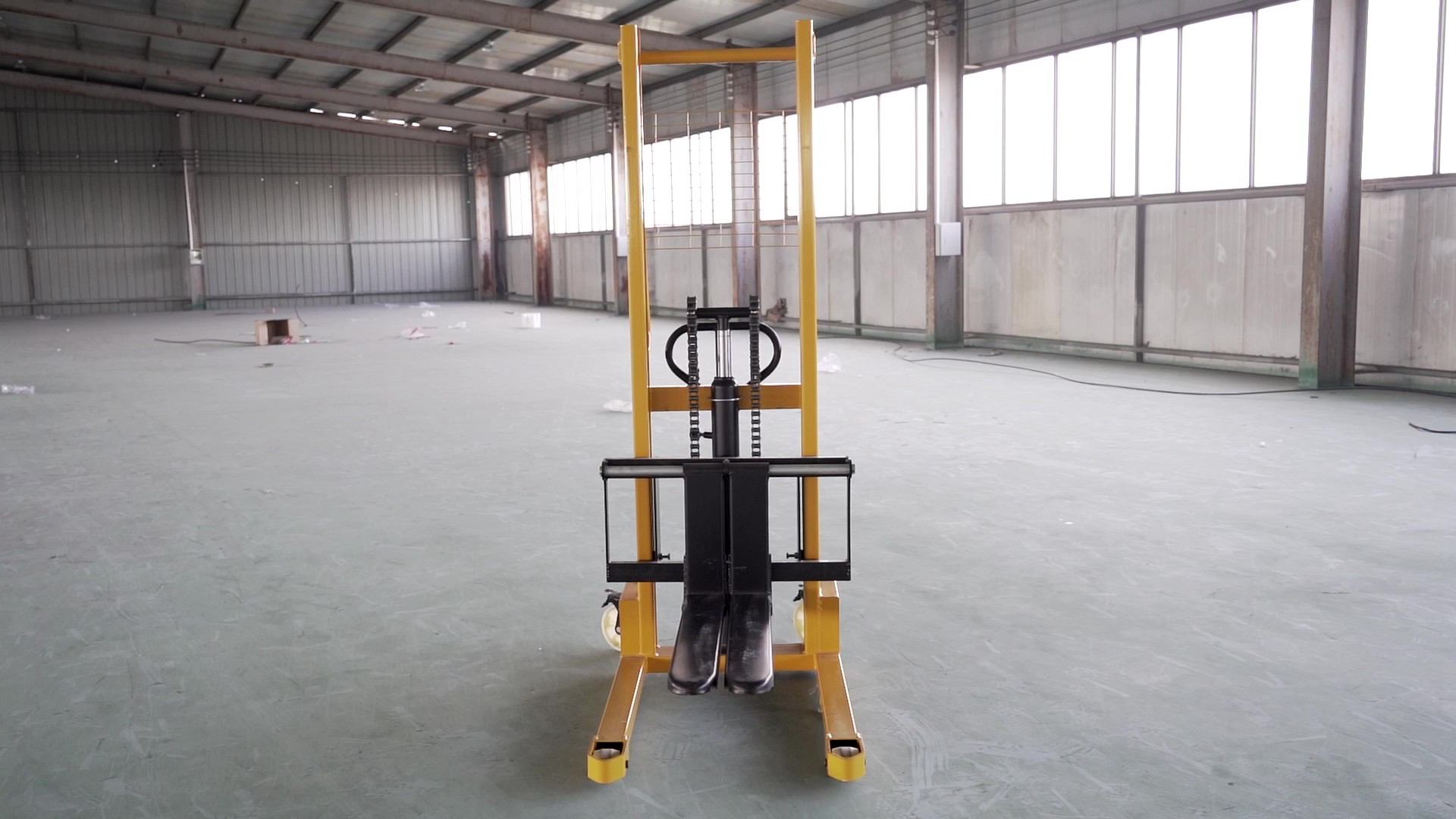
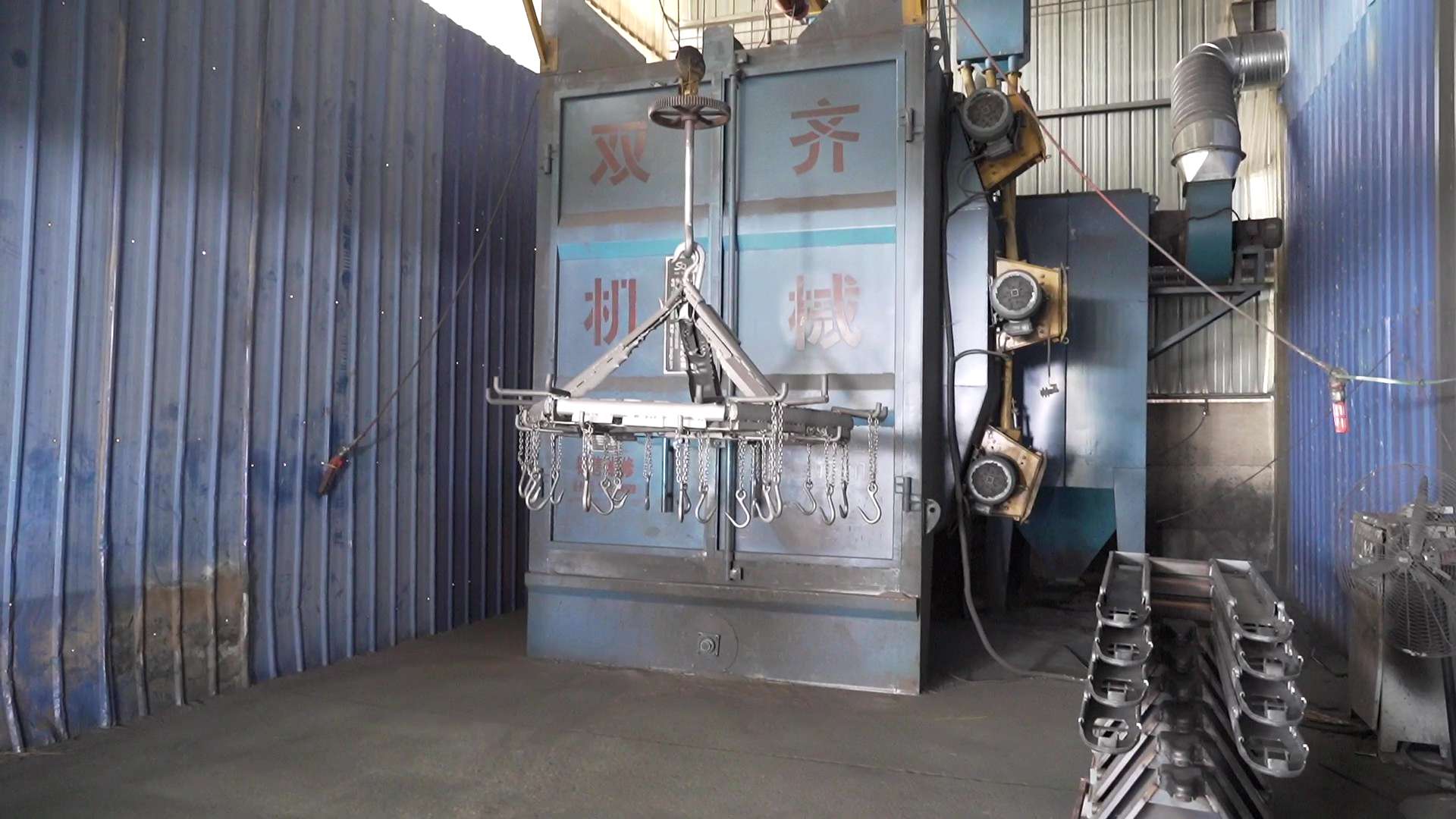
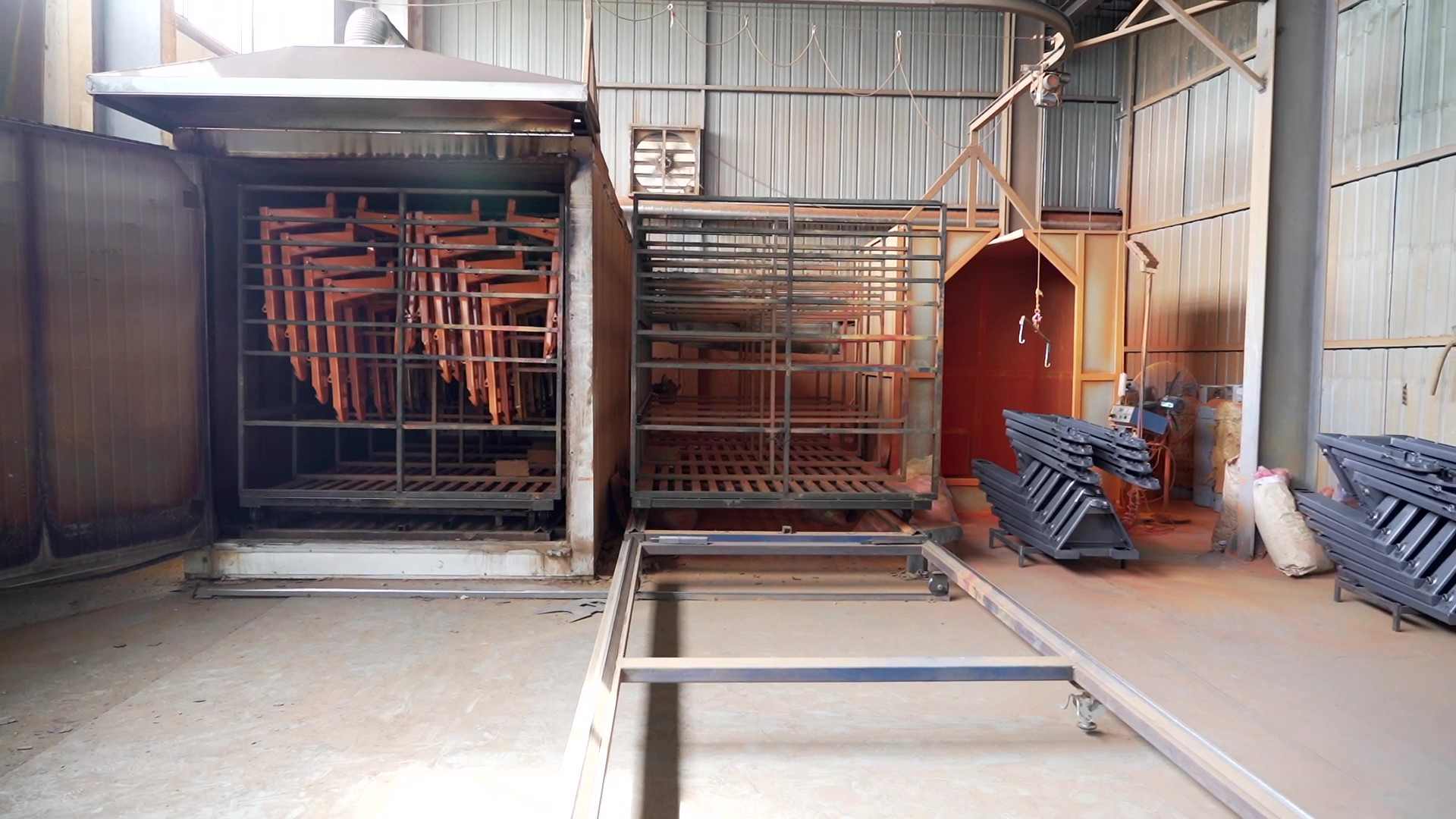
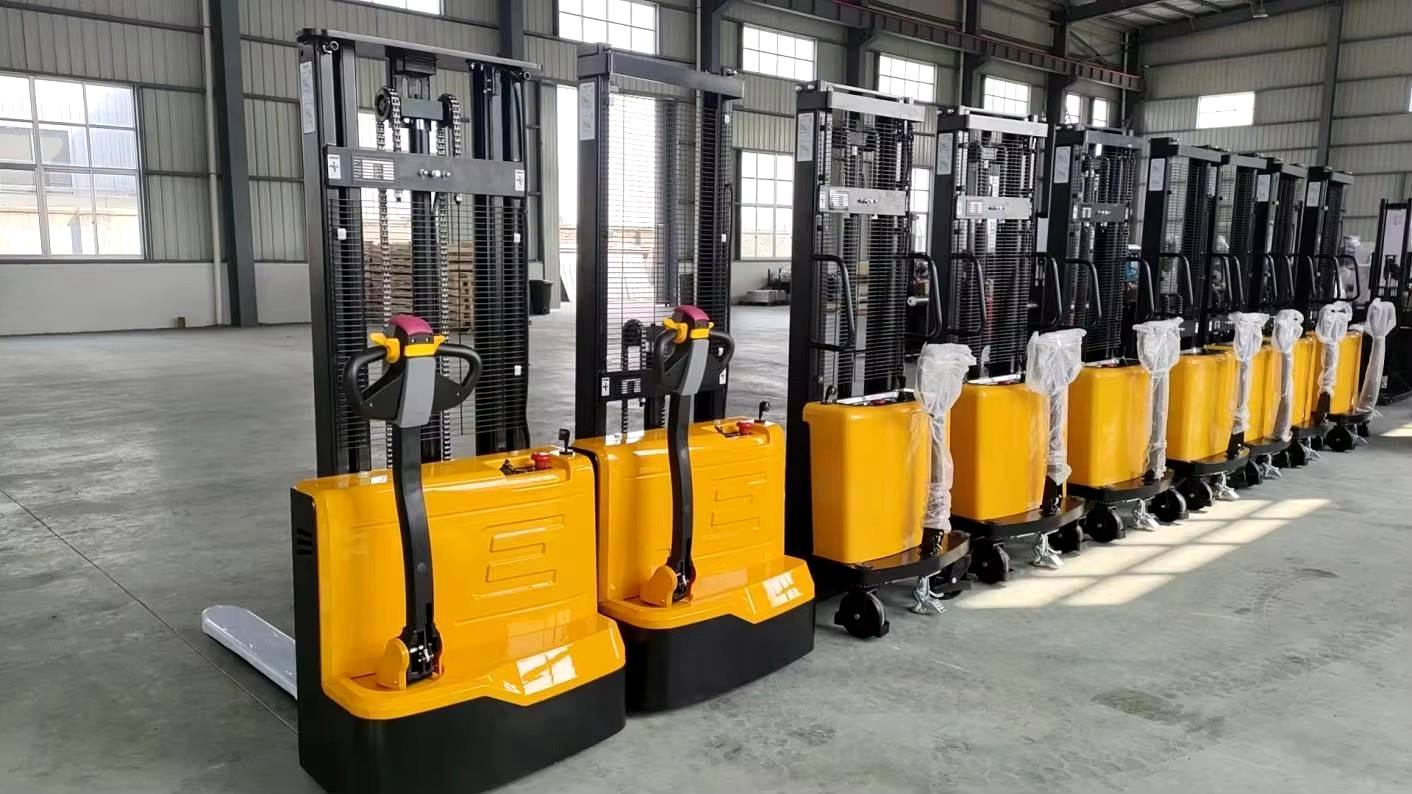
Essential checkpoints for supply chain managers, warehouse operations directors, and engineering procurement professionals.
Sourcing hydraulic lift equipment involves critical engineering validation. Selecting the wrong specifications can result in unexpected downtime, compatibility issues, and workplace safety hazards. When planning your custom OEM procurement, pay close attention to the following factors:
Ensure that structural designs account for asymmetric loading. If heavy machinery shifts weight during transfer across a lift table, the scissor frame must resist twist forces. Standard ratings assume a uniformly distributed load (UDL); custom designs can be engineered for severe concentrated point loads.
High-frequency production lines demand continuous duty cycle ratings. If your lift table functions 24/7, standard air-cooled motor designs will overheat, leading to seal failure. We integrate continuous-duty hydraulic pumps, oil temperature sensors, and cooling radiators for extreme usage conditions.
Safety features protect operators and equipment. High-performance lift tables include physical pinch guards, perimeter safety edges that stop movement on contact, maintenance safety chocks, and hydraulic lock valves to prevent descent in the event of hose or pressure failures.
Adapting to smart factories, collaborative automation, and environmentally sustainable operations.
The material handling equipment space is transforming rapidly. Standard hydraulic machinery is adapting to mesh seamlessly with automated warehouse architectures:
Detailed, engineering-focused answers to common queries raised during design stages and procurement cycles.
High-durability transport machinery, weighing systems, and mobile platforms for diverse industrial applications.
 CTRA Logistics