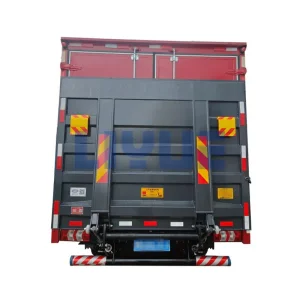
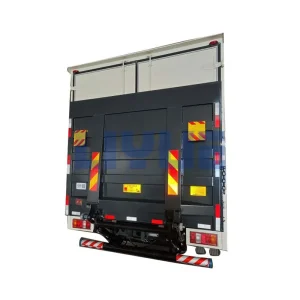
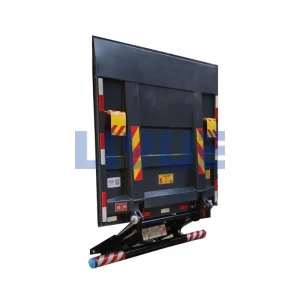
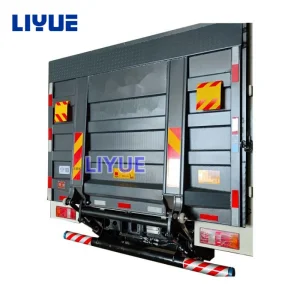
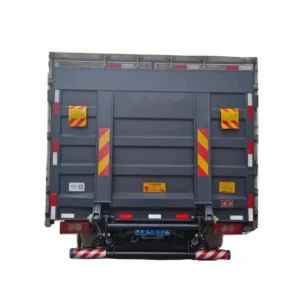
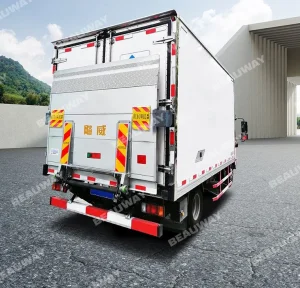
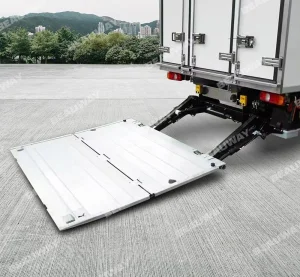
Aluminium Tailgate Manufacturers & Factories for the Latvia Market

Heavy-Duty Hydraulic Tail Lifts & Aluminum Loading Platforms Engineered for Baltic Transport Hubs, Extreme Cold Climates, and Strict EU Compliance

Latvia Industrial Landscape & Logistics Demand
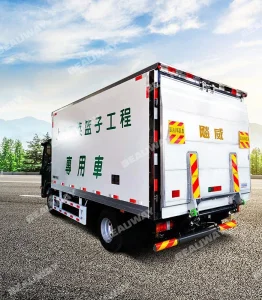
Latvia's strategic geographical positioning as a critical multimodal logistics gateway between western Europe, the Nordics, and eastern trade corridors has accelerated the demand for high-efficiency commercial vehicle components. As urban distribution networks in Riga expand and regional freight hubs along the Via Baltica (E67) route scale up, logistics fleet operators face mounting pressure to maximize operational throughput while maintaining absolute safety. Aluminium tailgates have transitioned from optional load-assist mechanisms into structural infrastructure requirements for modern fleet networks.
The commercial transport ecosystem in Latvia is distinctly characterized by a high proportion of food distribution, wood product processing exports, and last-mile e-commerce deliveries. These operations depend heavily on structural components that offer weight reduction without sacrificing yield strength. Heavy, traditional steel liftgates significantly subtract from a truck's net payload capacity and are highly susceptible to chemical oxidation when exposed to road de-icing salts during Baltic winters. Our precision-engineered aluminium tailgates provide a transformative alternative, ensuring maximum weight savings, elevated corrosion resistance, and structural longevity over millions of duty cycles.

Via Baltica Transit Hubs

Optimized for long-haul cross-border fleet operations spanning Estonia, Latvia, and Lithuania. Maximizes net vehicle payload margins to adhere strictly to European gross vehicle weight rating limit laws.

Riga Port Last-Mile

Engineered for high-frequency, stop-and-start urban distribution handling within maritime container drop zones, ensuring high-speed cycle operation under stringent tight-window delivery targets.

Cold-Chain Operations

Eliminates thermal bridging risks on refrigerated box body trailers via high-insulation tight-seal cantilever gating interfaces, fully securing dairy and pharma transport lines.

Localization, Baltic Sub-Zero Conditioning & CE Compliance
Operating commercial equipment within the Baltic microclimate demands meticulous attention to material physics. Latvian winters present prolonged sub-zero temperatures reaching as low as -30°C, coupled with atmospheric humidity from the Gulf of Riga. Under these critical parameters, standard commercial liftgates fail due to hydraulic fluid thickening, seal contraction, and structural alloy embrittlement.
Our aluminium tailgates engineered for the Latvian market feature specialized low-viscosity Arctic hydraulic oils rated to maintain absolute fluid dynamics down to -45°C. Combined with double-lipped polyurethane cylinder seals, the hydraulic system prevents micro-fissure leakage and preserves consistent lifting speeds regardless of temperature drops.
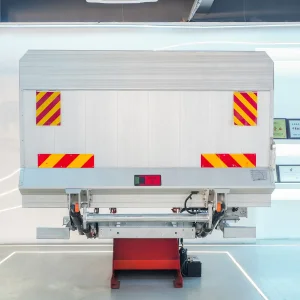
Furthermore, compliance with European safety regulations is non-negotiable. Every unit shipped to Latvia fully complies with EN 1756-1 (Tail Lifts — Safety Requirements for Liftgates on Wheeled Vehicles) and carries verified CE certification. This integrates mandatory dual mechanical safety locking pins, automatic hydraulic hose-burst valves, integrated flashing LED warning signals on the platform corners, and dual-hand control interfaces to completely remove any operator crush hazards.

Baltic Compliance & Engineering Blueprint

  • Structural Alloy: Extruded 6061-T6 structural marine-grade aluminum platform profiles.
  • Safety Metrics: Under-run protective bars fully matching EU Directive 70/221/EEC.
  • Surface Protection: Anodized platform panels with fully galvanized steel lift arm frames.
  • Electrical Integrity: Heavy-duty IP67 waterproof rated wiring harnesses with localized wiring diagnostics.
  • Corrosion Deficit: Passed 1000-hour continuous salt spray testing under ASTM B117 standards.
Foshan CTRA Logistics: Advanced Chinese Manufacturing Mastery
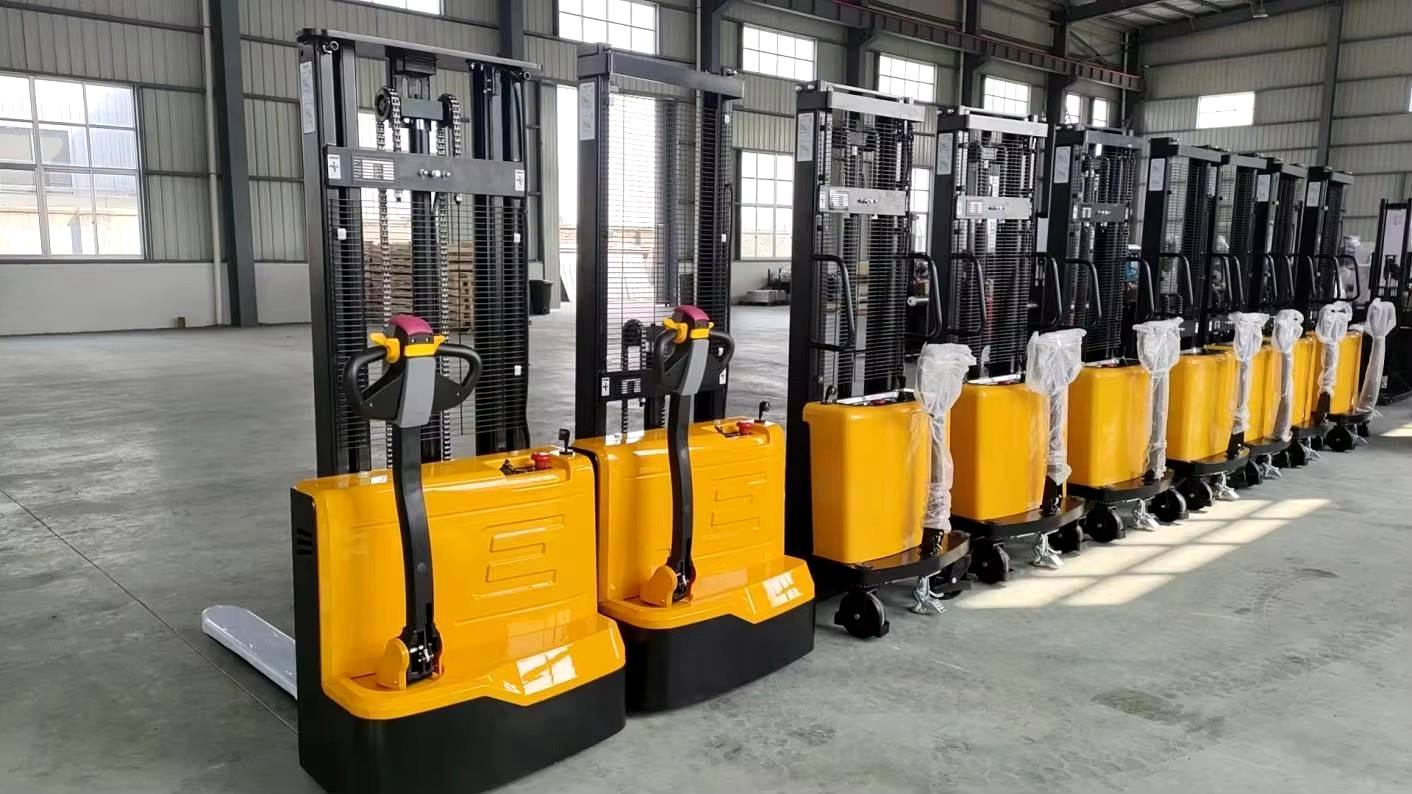
Foshan CTRA Logistics Machinery Technology Co., Ltd. is an established research and development organization engaged in the production of modern logistics warehousing machinery and equipment. Located in Foshan City, Guangdong Province—a key manufacturing industry hub in China—our factory is built upon precision engineering, robust industrial supply chains, and extensive manufacturing experience. Established with a global outlook, we specialize in delivering high-capacity logistics machinery to international markets, ensuring our clients receive robust engineering performance at competitive wholesale scales.
2013
Year Established
150+
Professional Team
45%
Export Percentage
30K ㎡
Factory Area (sqm)
Our core competitive advantage is derived from the structural synergy of the Foshan industrial cluster. This proximity enables centralized procurement of raw aluminum alloys, specialized automated hydraulic valving components, and elite electronic controls. By employing advanced robotic metal inert gas (MIG) and tungsten inert gas (TIG) welding assemblies alongside computer numerical control (CNC) machining centers, we achieve structural dimensional tolerances within ±0.05mm. This processing accuracy directly results in stable pressure distribution within our hydraulic lifting cylinders, completely eliminating uneven torque stress and structural deflection during off-center vehicle loading configurations.
Factory Trade & Operational Matrix
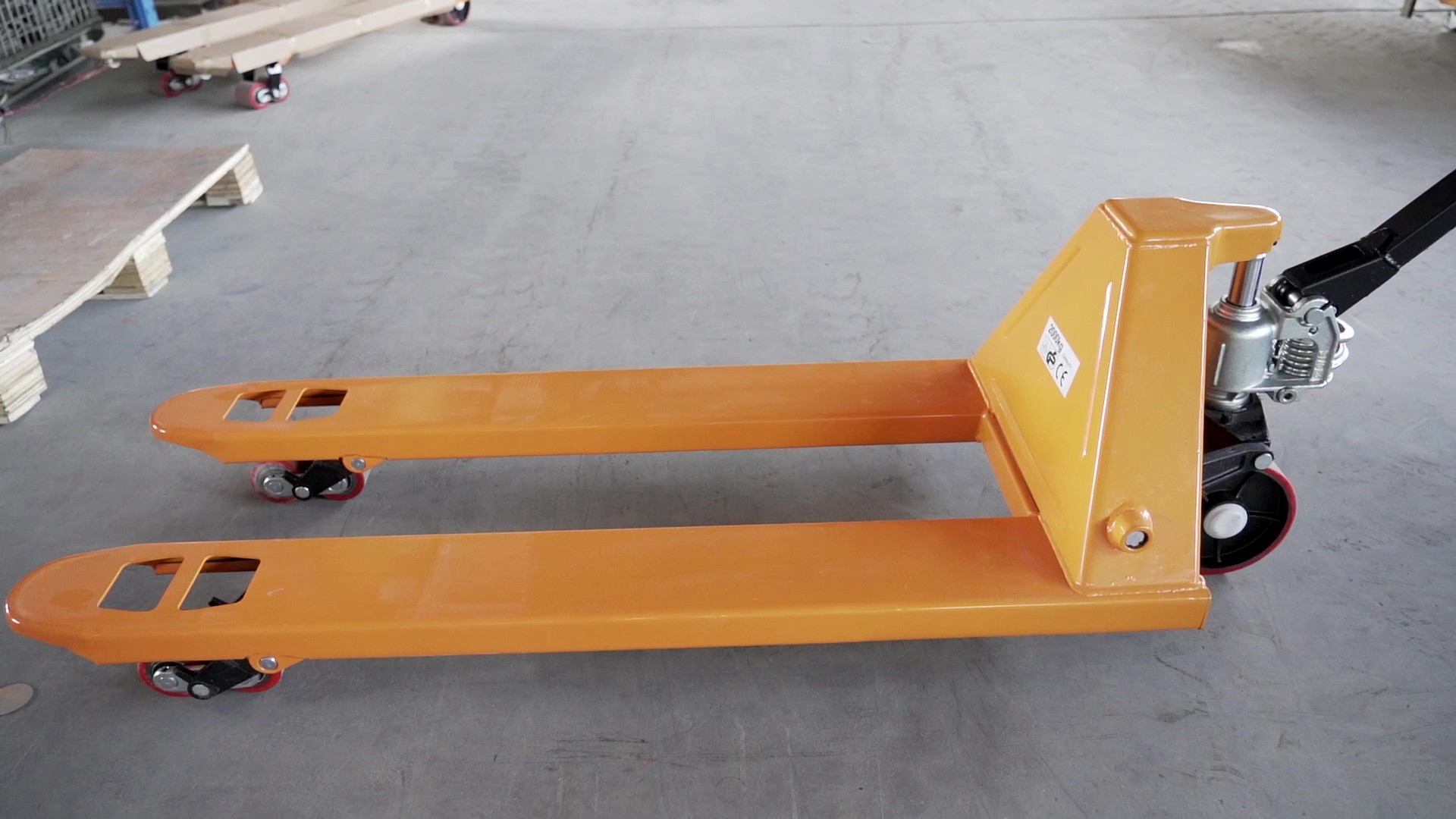
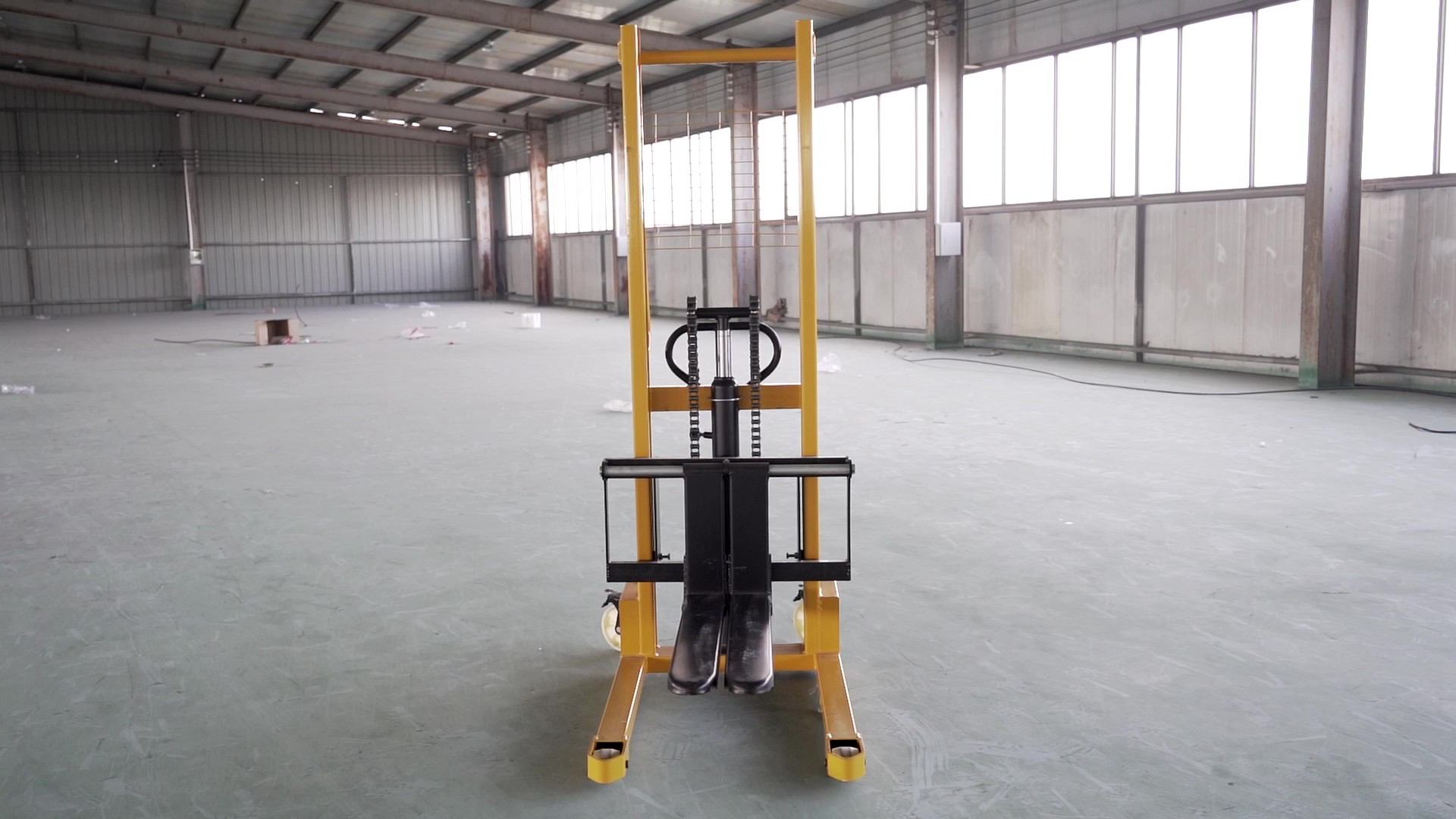
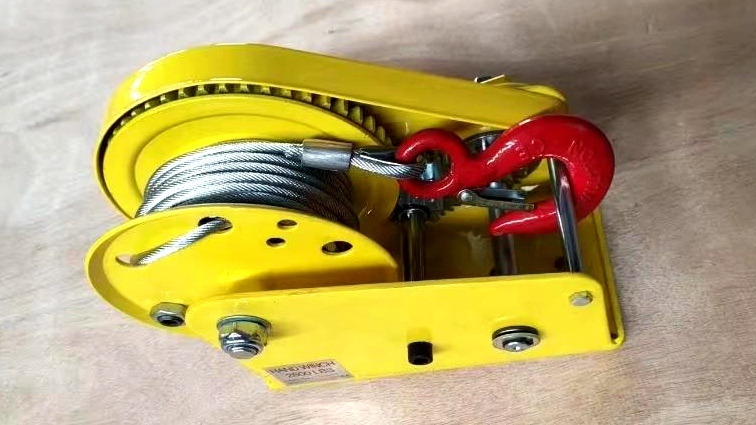
Products/Service Offered Hand Pallet Truck, Hand Stacker, Electric Stacker, Tail Lift, Dock Ramp, Lift Table
Incoterms Supported FOB, CFR, CIF, EXW, FCA
Terms of Payment L/C, T/T, Western Union, Secure Open Account
Average Manufacturing Lead Time Off-season lead time: One month | Peak season lead time: 45 Days
Annual Sales Volume US$10 Million - US$50 Million
Annual Purchase Volume US$10 Million - US$50 Million

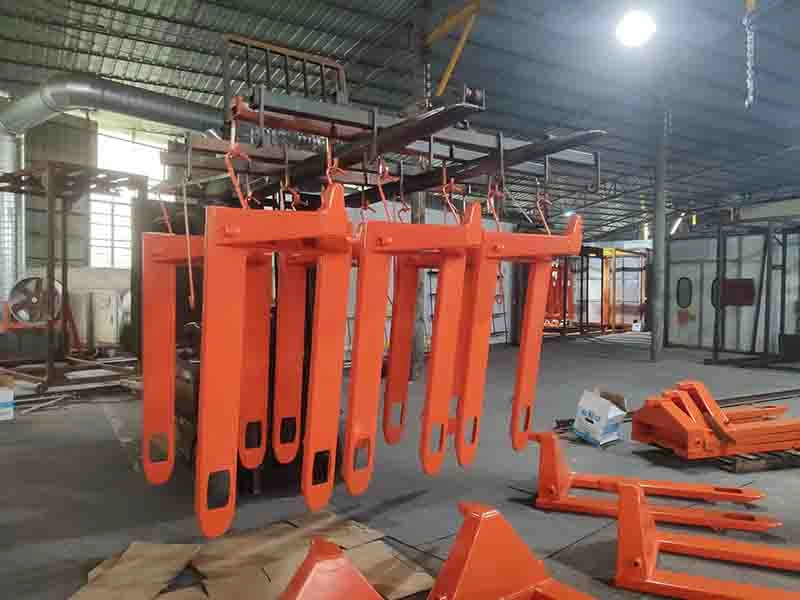
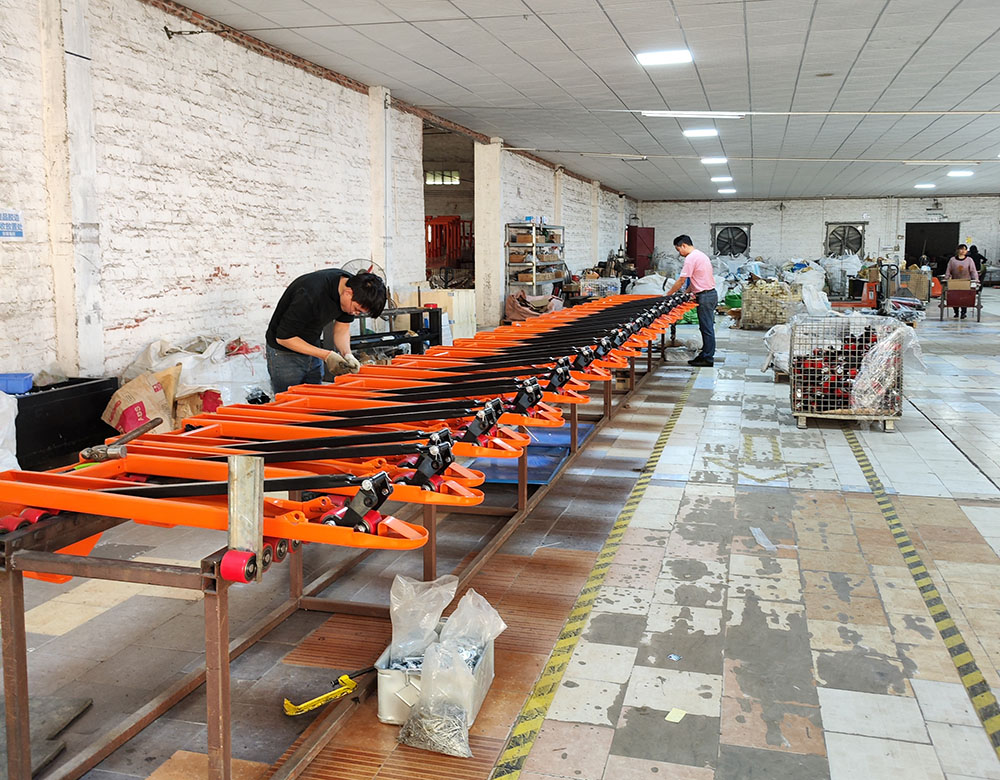
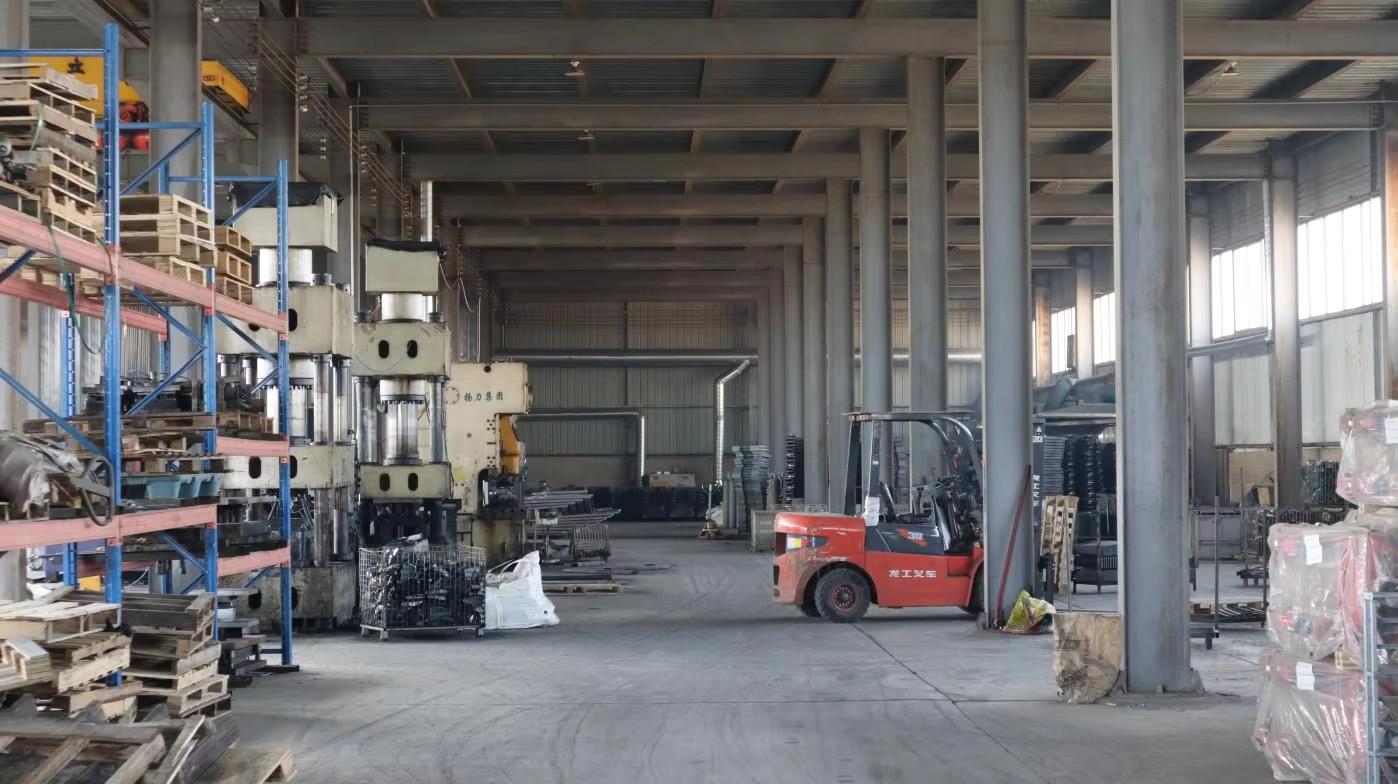
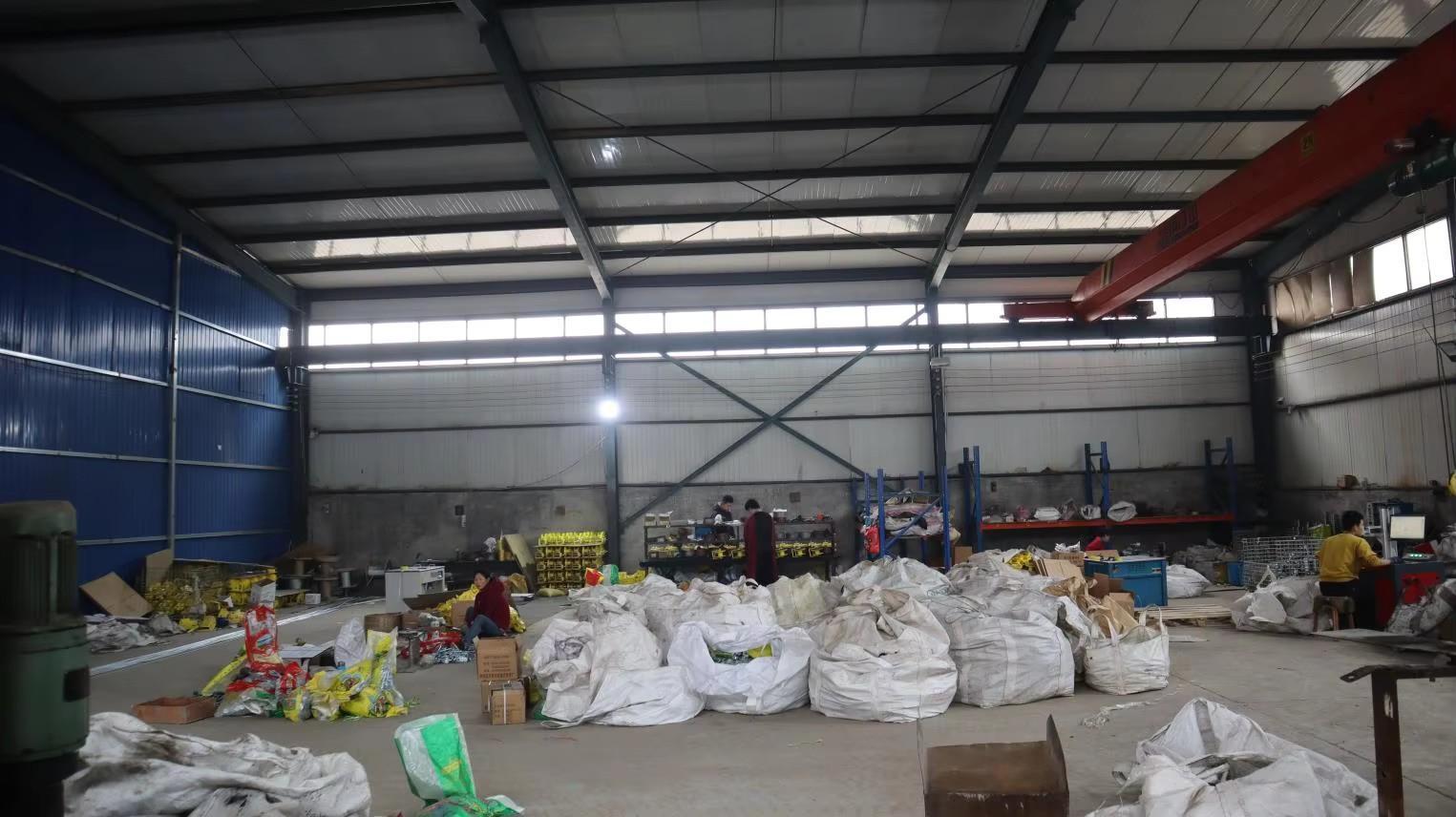
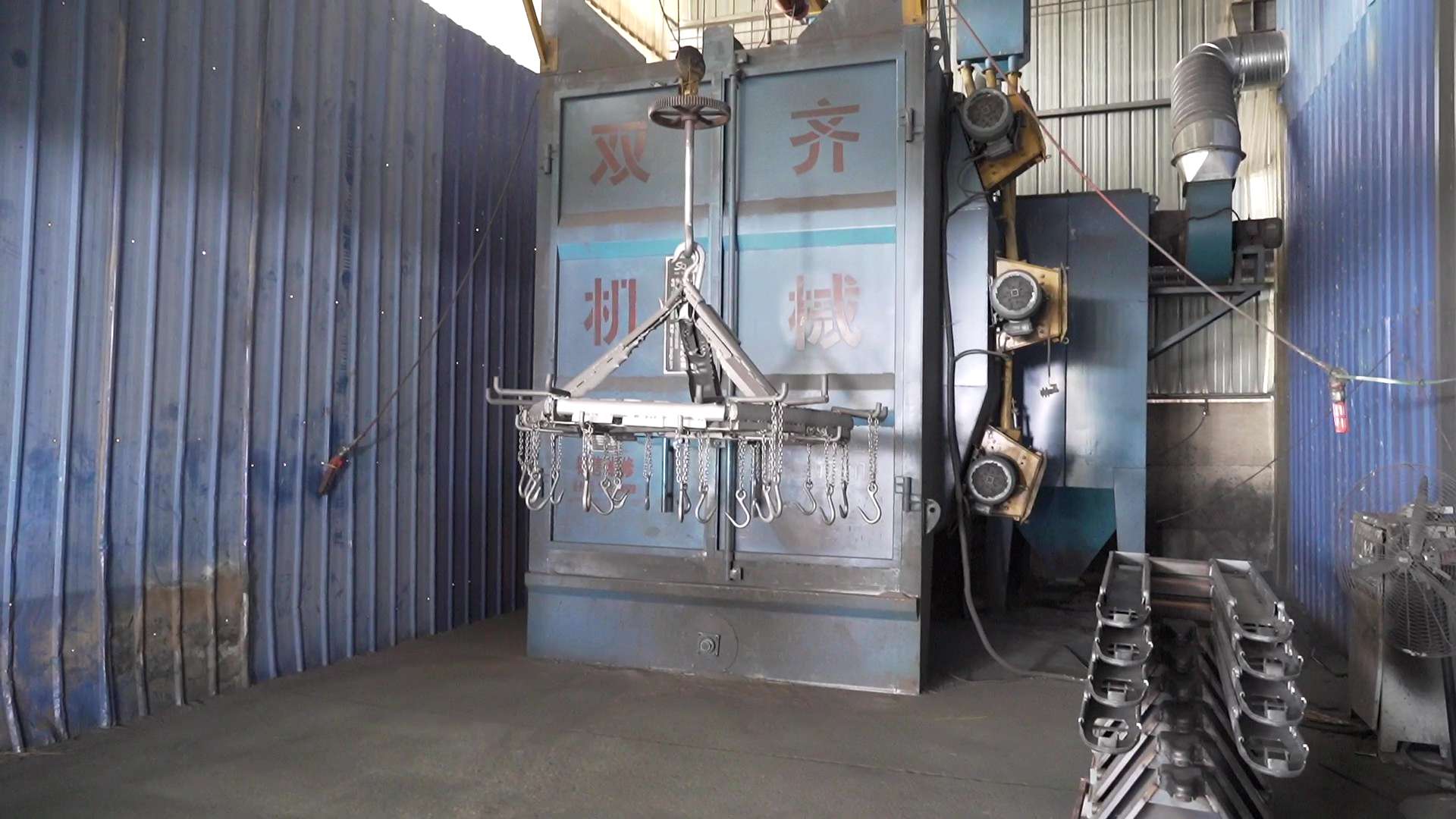
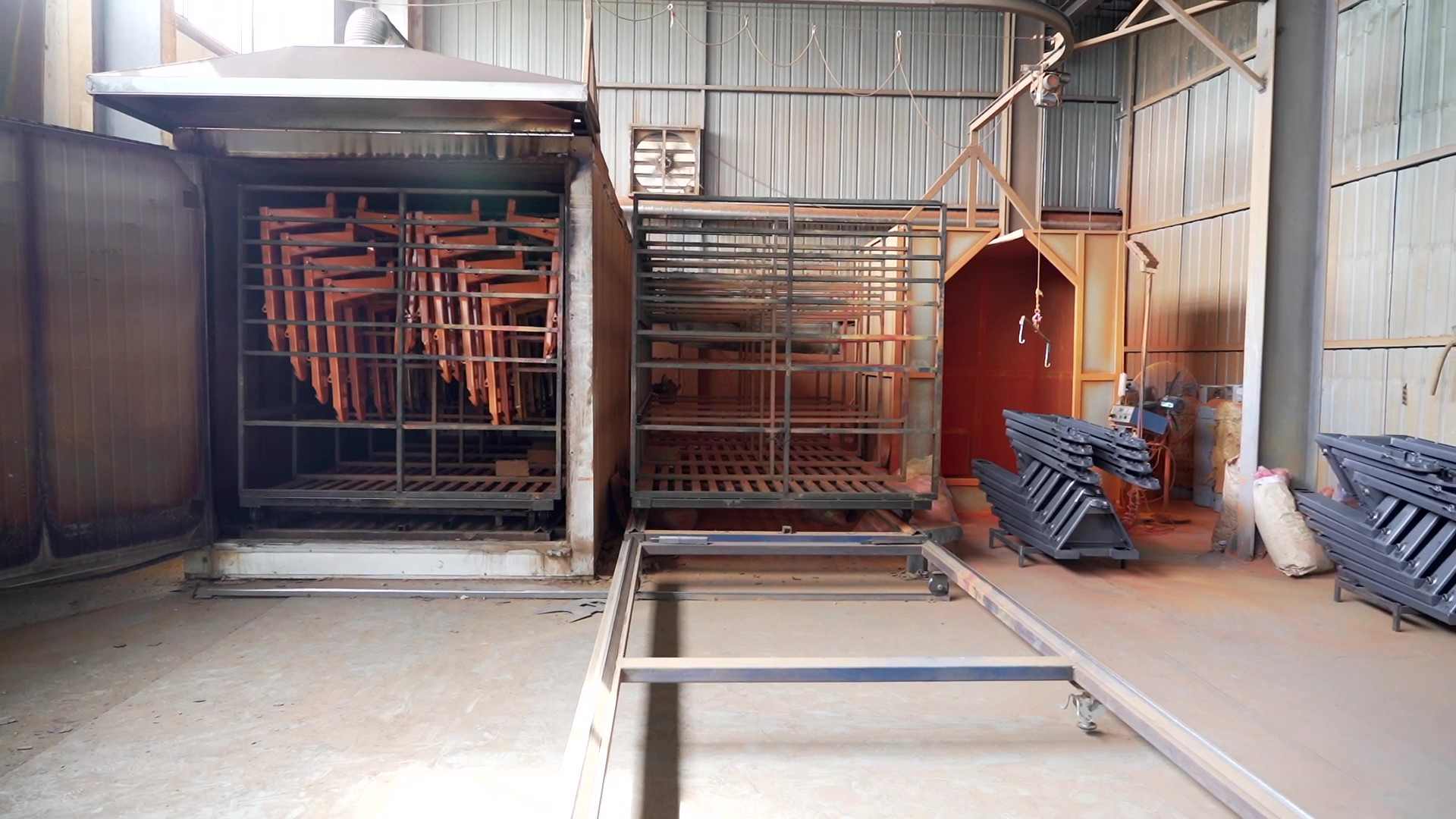
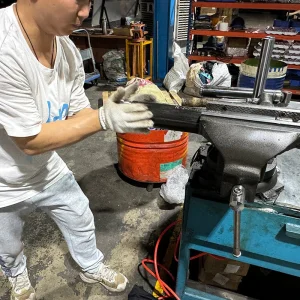
Factory Workshop & Quality Control Inspection Infrastructure

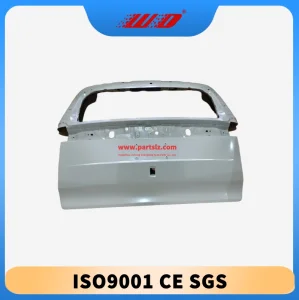
CTRA Logistics Equipment CTRA Quality Assurance Certification
Enterprise Procurement Protocols & Total Cost of Ownership (TCO) Optimization
For tier-1 fleet management groups, commercial vehicle body builders, and contract logistics enterprise procurers in Latvia, sourcing lifting machinery involves thorough technical vetting. The initial capital expenditure (CAPEX) constitutes a single part of the total equipment lifecycle cost. Operational expenditures (OPEX)—including fuel efficiency penalties due to excess weight, downtime from mechanical failures, and scheduled maintenance outlays—ultimately define fleet profitability. Our advanced aluminium tailgates are explicitly engineered to deliver the lowest Total Cost of Ownership in the industry.

1. Engineering Rigor & Customization Phase

Every procurement cycle begins with our engineering team evaluating your vehicle chassis specifications (e.g., Mercedes-Benz Sprinter, MAN TGM, Scania R-series, or custom box trailer extensions). We execute custom Finite Element Analysis (FEA) models to verify stress patterns based on your specific duty-cycle requirements. This process determines the optimal placement of lift arms and cylinder geometry before manufacturing begins, completely eliminating integration re-work delays upon delivery to Riga port.

2. Multi-Stage Quality Assurance Protocol

Our factory implements a zero-fault quality assurance framework. Raw aluminum extrusions undergo eddy current testing to detect internal structural anomalies. Post-assembly, every hydraulic power pack undergoes rigorous performance testing at 125% of rated load limits through 50 continuous cycles. Electrical systems are subjected to high-pressure thermal wash-downs to confirm IP67 environmental sealing integrity, ensuring your tailgates arrive ready for deployment.

Initiate Global Sourcing Protocol For Latvia

Connect directly with our senior application engineering desk to acquire structural CAD blueprints, complete technical data books, and localized bulk shipping pricing structures.

Send Inquiry Now
Technological Frontiers: Smart Telematics & Eco-Efficiency
The commercial transportation sector is undergoing a rapid digital and environmental evolution. In step with the European Green Deal targets and modern logistics connectivity frameworks, the humble tail lift is evolving into a smart, data-integrated node within the vehicle telematics ecosystem. Our R&D department is leading this transition by engineering next-generation structural and electronic feature arrays specifically tailored for complex commercial networks.
IoT Predictive Maintenance

Integrated electronic micro-sensors continuously track hydraulic pressure signatures, system operating temperatures, and structural cycle iterations. This telematics data transmits directly to fleet management software platforms, enabling predictive wear maintenance schedules and reducing unexpected breakdown instances.

Ultra-Lightweight Profile Alloys

Utilizing advanced silicon-magnesium aluminum formulations combined with localized gas-assisted hollow-core extrusion designs. This engineering path extracts an extra 15% of deadweight from the platform structure while fully preserving its rated physical deflection limits.

Biodegradable Hydraulic Systems

Transitioning to high-performance synthetic ester-based hydraulic oils that deliver rapid environmental decomposition in the event of lines fracturing. This system safeguards compliance with stringent Nordic ecological zone laws and urban emission standards.

Strategic Engineering Q&A (FAQ) for Baltic Operators

Technical responses addressing critical engineering queries from fleet mechanics, regional distributors, and regulatory bodies.

Q1: How do your aluminum platforms withstand severe chemical oxidation from road salt mixtures used on Latvian highways?
Our tail lift platforms utilize high-purity extruded 6061-T6 aluminum alloys natively possessing a resilient dense natural oxide passivation layer. To withstand winter de-icing compounds (e.g., concentrated calcium chloride and rock salt variants applied on the E67 corridor), every platform goes through a multi-stage electrochemical clear anodizing treatment. This thickens the protective surface matrix to over 15 microns. Additionally, all underlying steel hinge linkages, lift arms, and mounting plates are fully treated via heavy thermal hot-dip galvanization matching ISO 1461 rules, successfully preventing any galvanic interface corrosion risks.
Q2: What specific modifications prevent hydraulic lifting slowdown or seal breakdown during sub-zero Baltic winter conditions?
Standard hydraulic lift installations suffer major fluid viscosity thickening when exposed to deep sub-zero thermal envelopes, straining electrical drive motors and slowing load cycles. Foshan CTRA factory builds units bound for Latvia using premium Mobil Univis HVI or equivalent ultra-low pour point multi-grade mineral oils. These maintain consistent fluid characteristics down to -45°C. Concurrently, traditional nitrile rubber compound seals are substituted with specialized aerospace-grade fluorosilicone and polyurethane double-lipped components. These retain operational elasticity, preventing fluid bypass and pressure drop failure states under intense thermal transitions.
Q3: Can your factory custom-engineer aluminum tailgate configurations to seamlessly fit specific European truck models?
Yes. Our primary engineering focus centers on tailor-made adaptation configurations for leading European commercial truck lines, including Scania, Volvo, Mercedes-Benz, MAN, DAF, Iveco, and Renault, alongside specific commercial van models like the Volkswagen Crafter and Ford Transit. During pre-production development, our CAD engineering division cross-references your specific frame chassis width dimensions and under-frame overhang parameters. We provide structural bolt-on mounting brackets that drastically minimize local assembly modifications, ensuring clean alignment with standard vehicle electrical systems.
Q4: What embedded mechanical and hydraulic safety arrays are provided to fully satisfy EN 1756-1 legislation?
Compliance with EN 1756-1 safety requirements is built directly into our core structural manufacturing framework. Our hydraulic systems integrate pressure-compensated flow control valves directly within the cylinder port bodies, providing automatic mechanical locking to stop sudden platform drops if a main pressure line ruptures. Electrical configurations require concurrent dual-hand control station engagement to keep technicians out of processing hazard paths. Furthermore, our systems feature robust under-run crash bumpers, integrated platform-edge blinking warning lights, and tactile anti-slip surface texturing to maintain secure footing in wet or icy conditions.
Q5: What are the standard volume procurement terms, shipment transit pathways, and customs preparation protocols to Latvia?
For our Latvian enterprise procurement tier, we typically establish standard commercial contracts under FOB Shenzhen/Guangzhou or CIF Port of Riga parameters, with payments handled via standard T/T telegraphic transfers or structured Letters of Credit (L/C). Our logistics department handles full export customs documentation management, including technical product listings, certified CE declarations, and detailed localized packing specifications. Standard volume ocean container transit routing from our Foshan production facility directly to the Riga central port terminal spans an average window of 35 to 45 days.