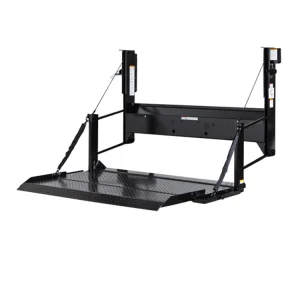
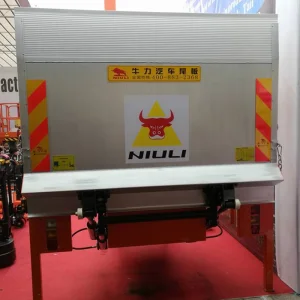
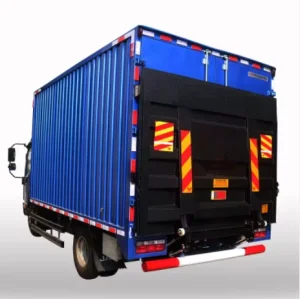
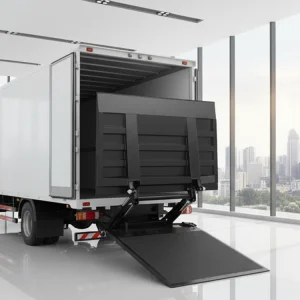
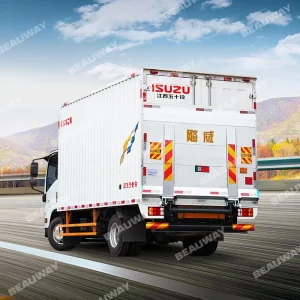
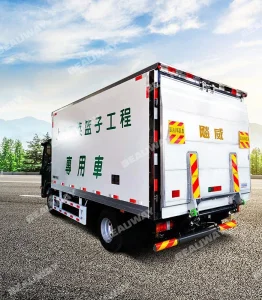
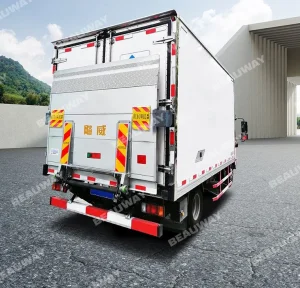
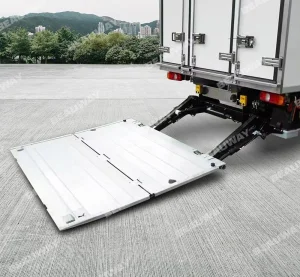
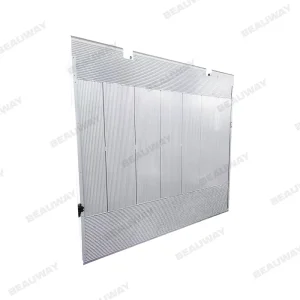
In the modern logistics landscape, the demand for aluminum liftgates has surged by over 35% in the last decade. As fuel efficiency and payload optimization become critical, the lightweight nature of aluminum compared to traditional steel offers a dual benefit: reducing the vehicle's curb weight and increasing the net carrying capacity. This transition is most evident in the North American and European last-mile delivery sectors.
With the global push for carbon neutrality, electric commercial trucks are becoming the standard. The weight-saving properties of Aluminum Tail Lifts are vital for EV range optimization. Every kilogram saved on the liftgate extends the battery life and operational range of the delivery fleet, making aluminum the preferred material for top-tier manufacturers.
Aluminum's natural oxide layer provides exceptional resistance to road salts and harsh weather conditions. For global procurement teams, this means a lower Total Cost of Ownership (TCO). Unlike steel, which requires frequent repainting and rust-proofing, aluminum liftgates maintain structural integrity for 10-15 years even in coastal or snowy environments.
Integration with AI-driven fleet management systems is the next frontier. Modern liftgates now feature IoT sensors that monitor cycle counts, hydraulic pressure, and platform leveling in real-time, sending maintenance alerts to operators before a failure occurs.
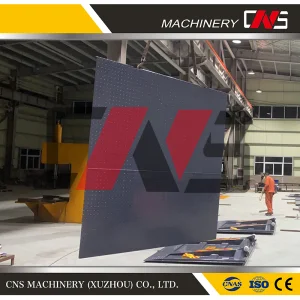
As urban spaces become more congested, the development of compact folding and retractable (slide-away) aluminum platforms allows trucks to navigate tight streets without permanent rear extensions, enhancing urban logistics versatility.
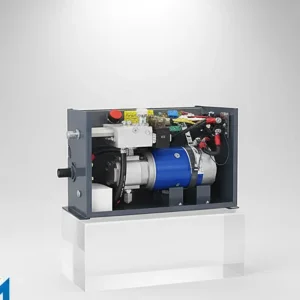
Manufacturers are moving toward biodegradable hydraulic fluids and energy-efficient motor-pump units that draw minimal power from the vehicle's electrical system, further aligning with "Green Logistics" initiatives.
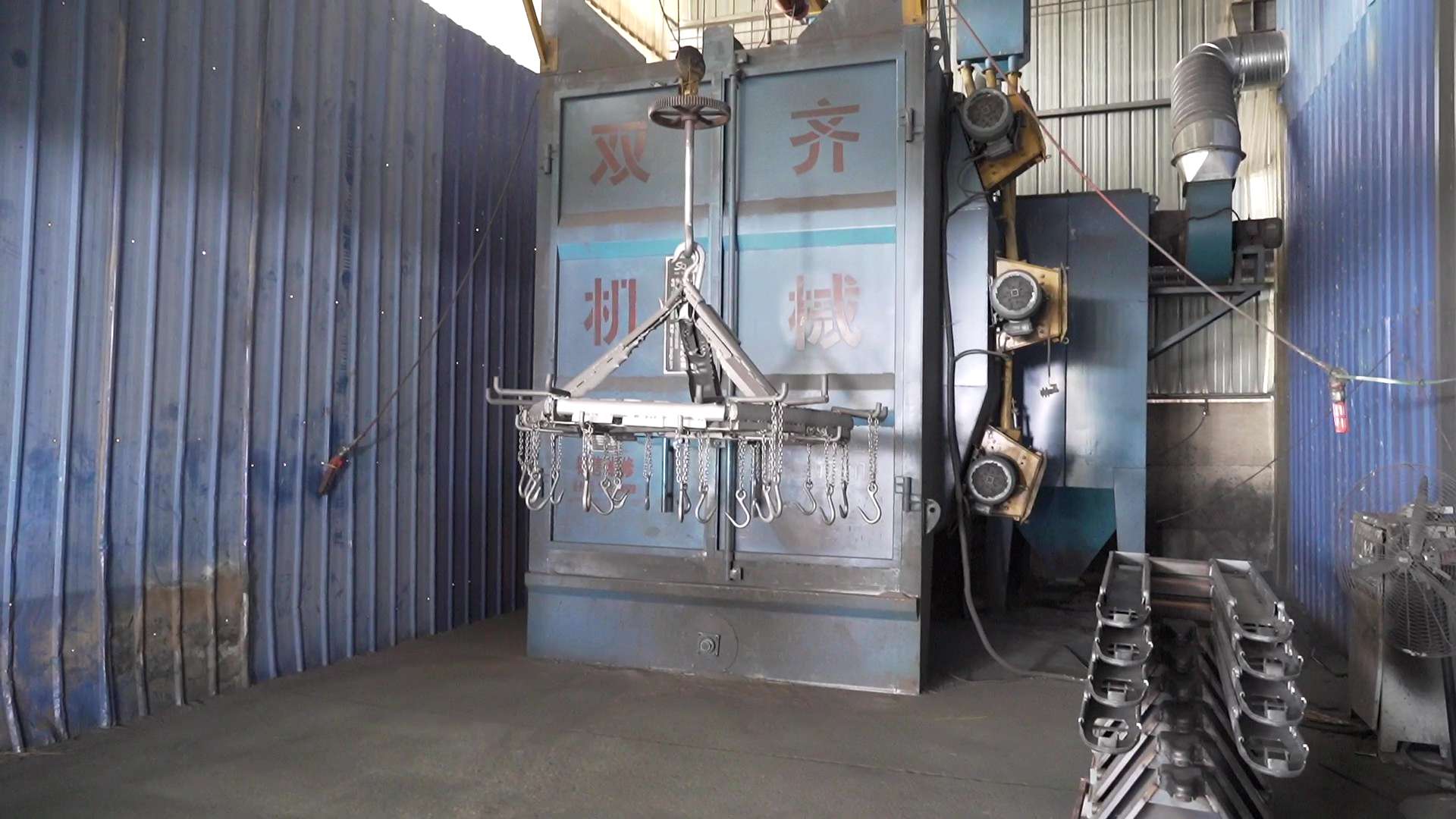
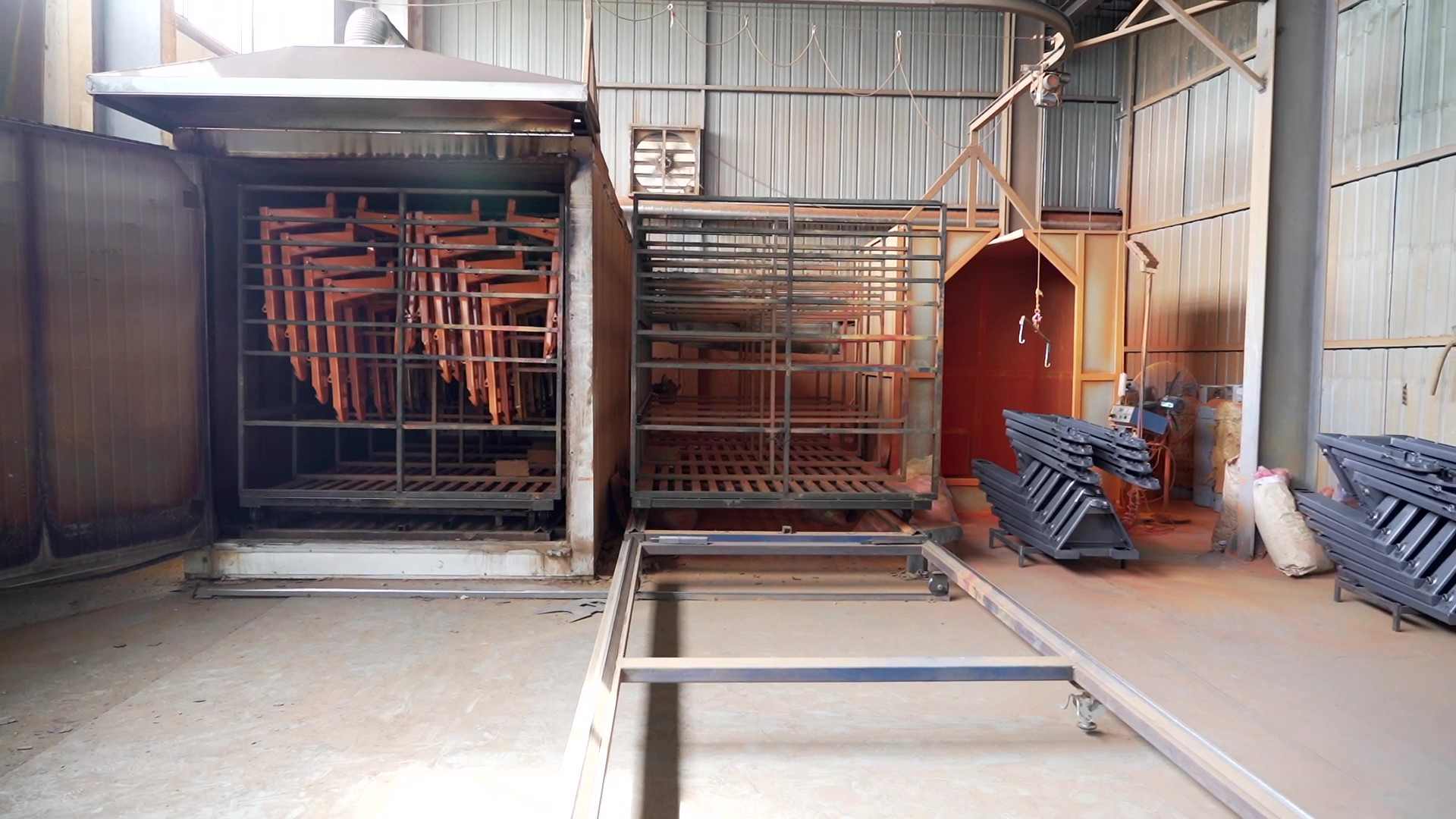
Foshan CTRA Logistics Machinery Technology Co., Ltd. is a premier research and development organization engaged in the production of modern logistics warehousing machinery and equipment. Located in Foshan City, Guangdong Province—the heart of China's manufacturing sector—we have established ourselves as a benchmark for quality and innovation since our inception.
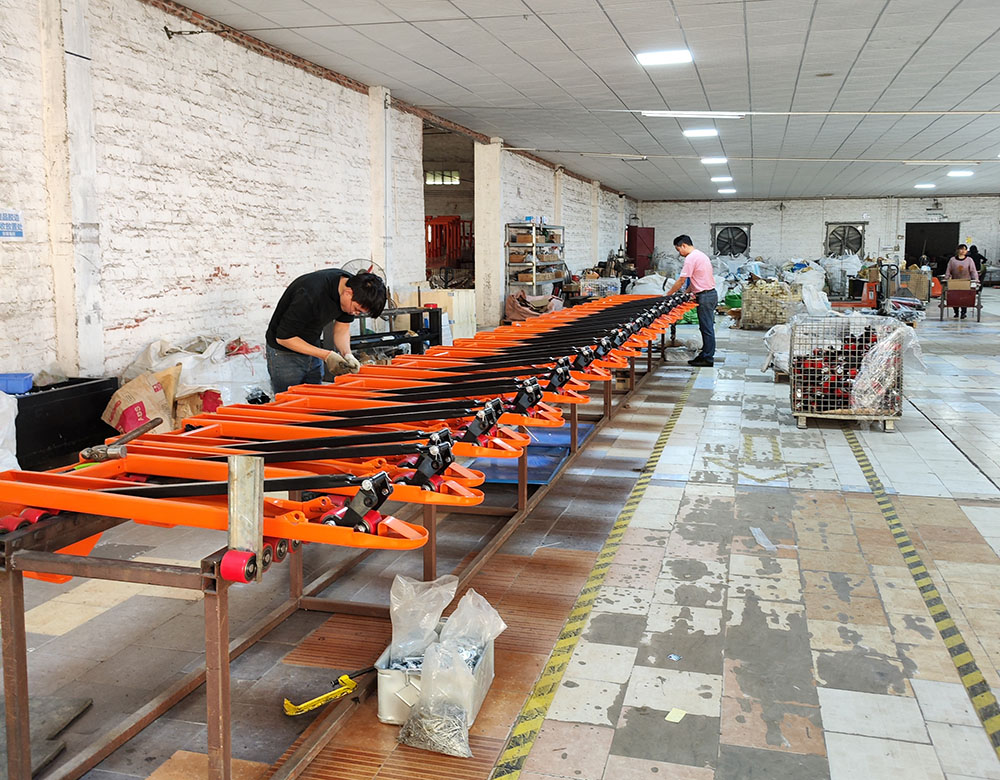
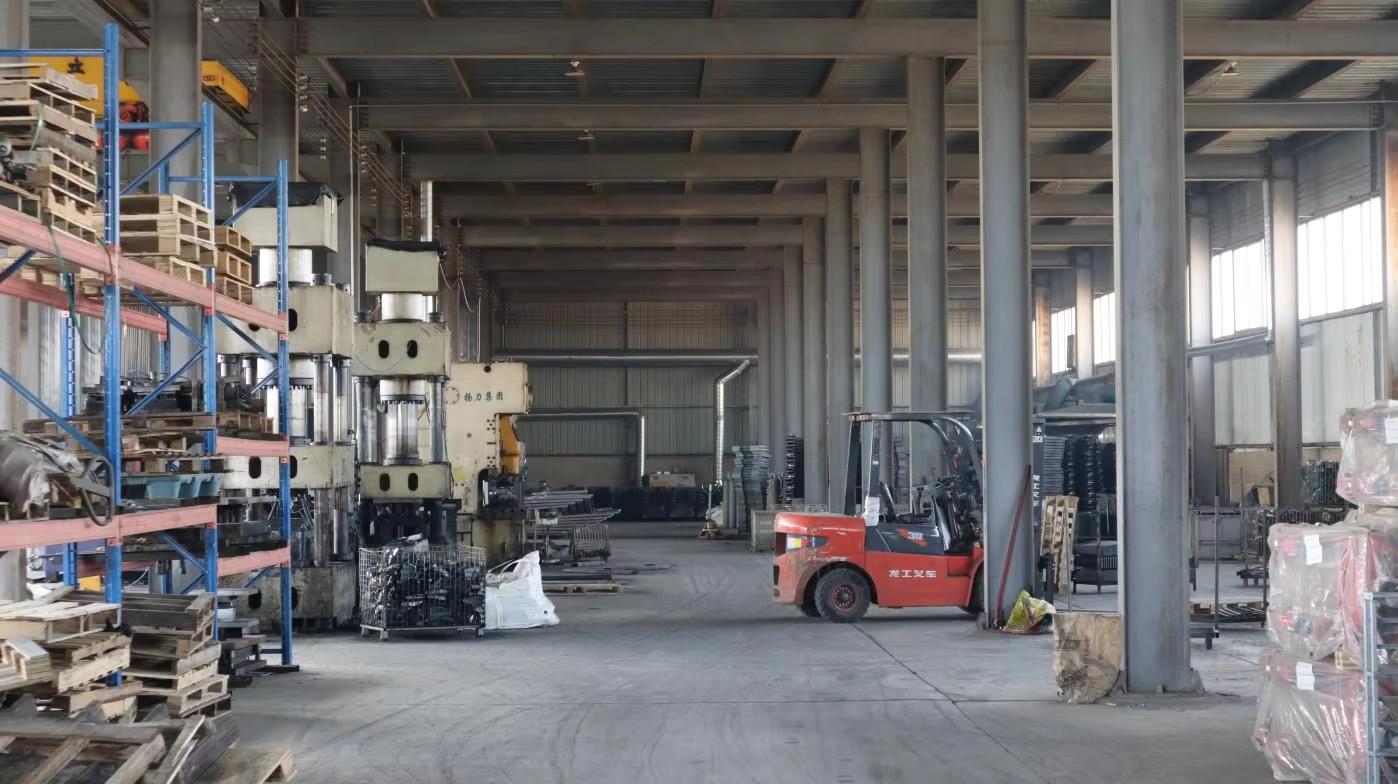
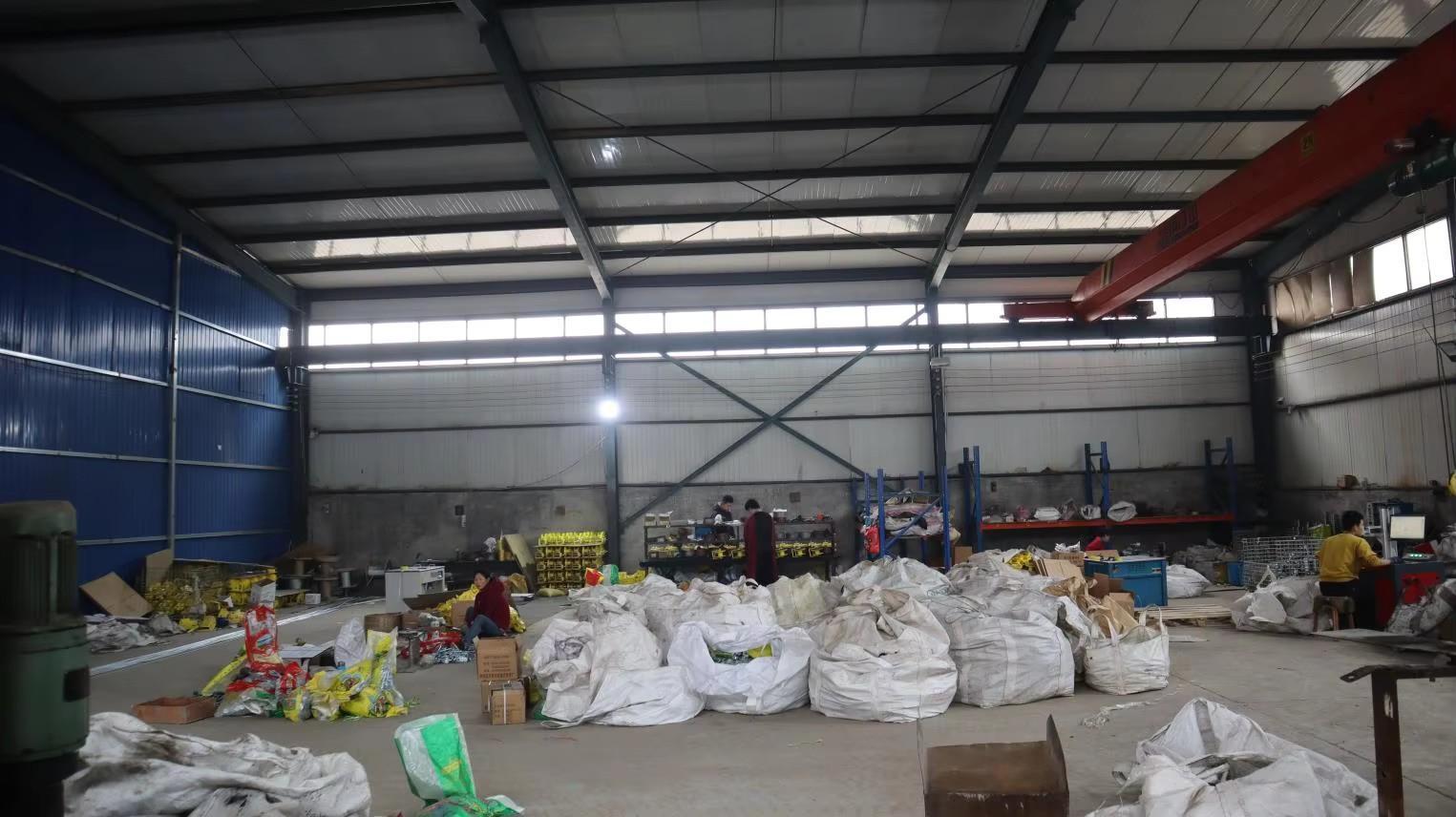
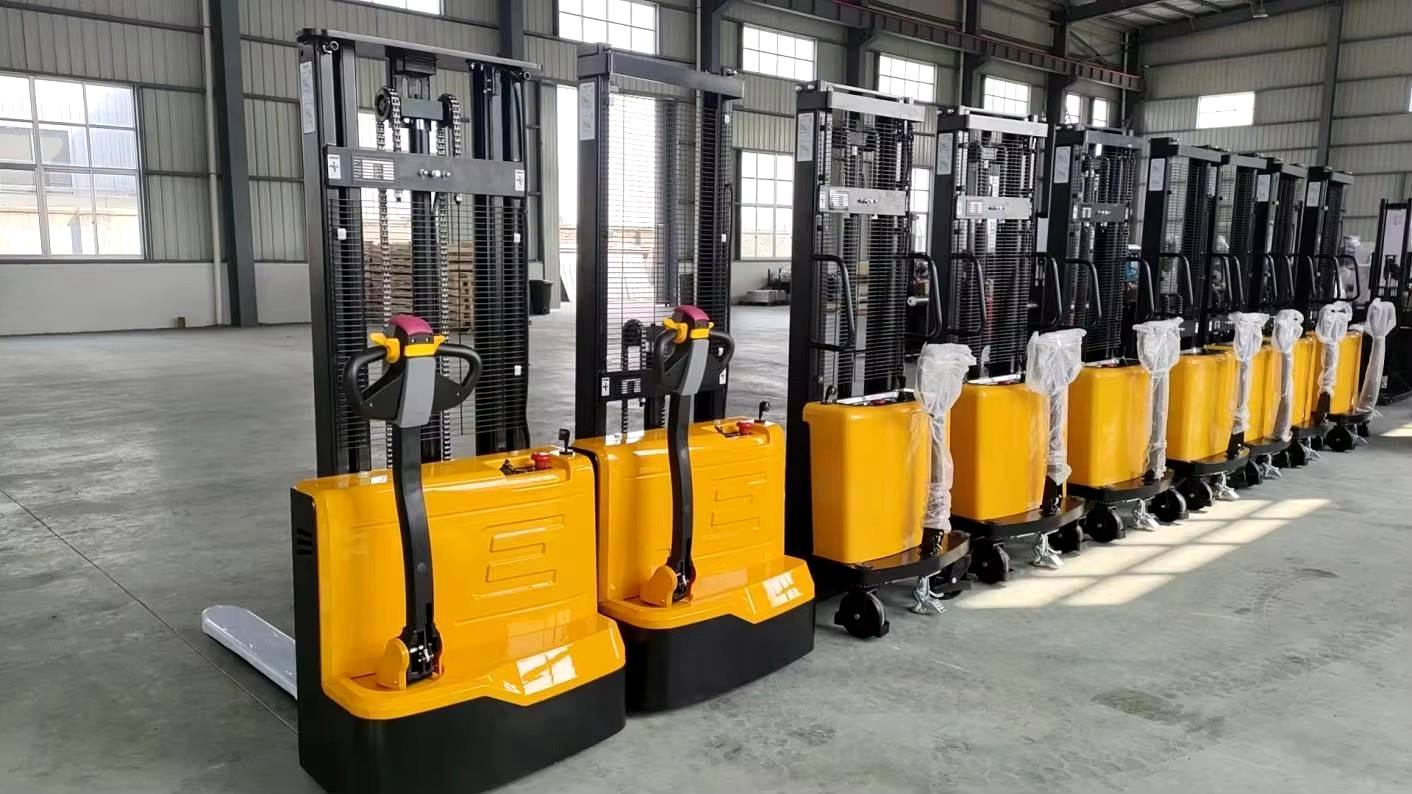
Established with a foundation of expertise dating back to 2013, our 10,000-30,000 square meter facility produces world-class hydraulic tail lifts, hand stackers, and dock ramps. Our mission is to promote high-quality logistics machinery to the global market, meeting the rigorous standards of international procurement agencies.
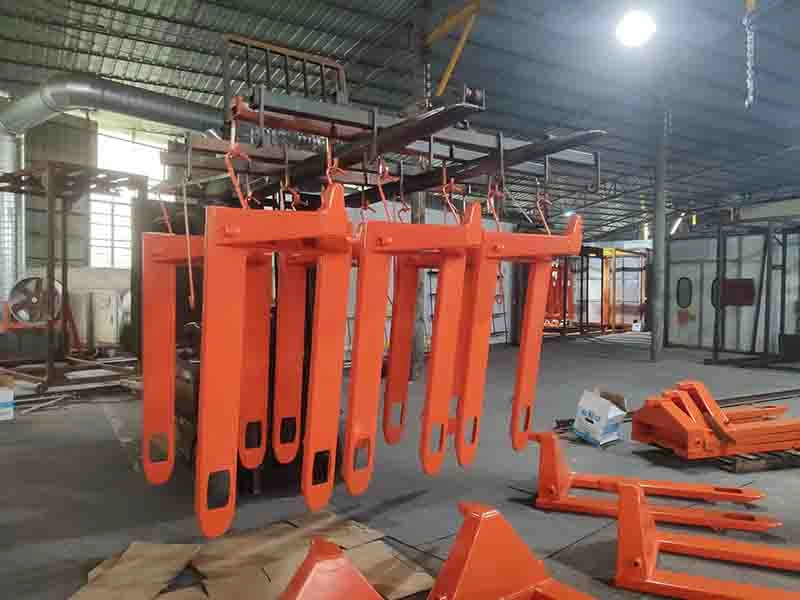
We are top manufacturers in this field with more than 10 years of experience. We not only care about quality, price, and lead-time but also hold ourselves accountable for social and environmental responsibility.
Our management team is highly stable. Administration of procedures is our core advantage, covering material procurement, order follow-up, strict quality control, and professional loading supervision.
Whether you need a 3000kg heavy-duty platform for cargo trucks or a lightweight 500kg lift for a city van, our engineering team can customize dimensions and capacities to fit any vehicle chassis.
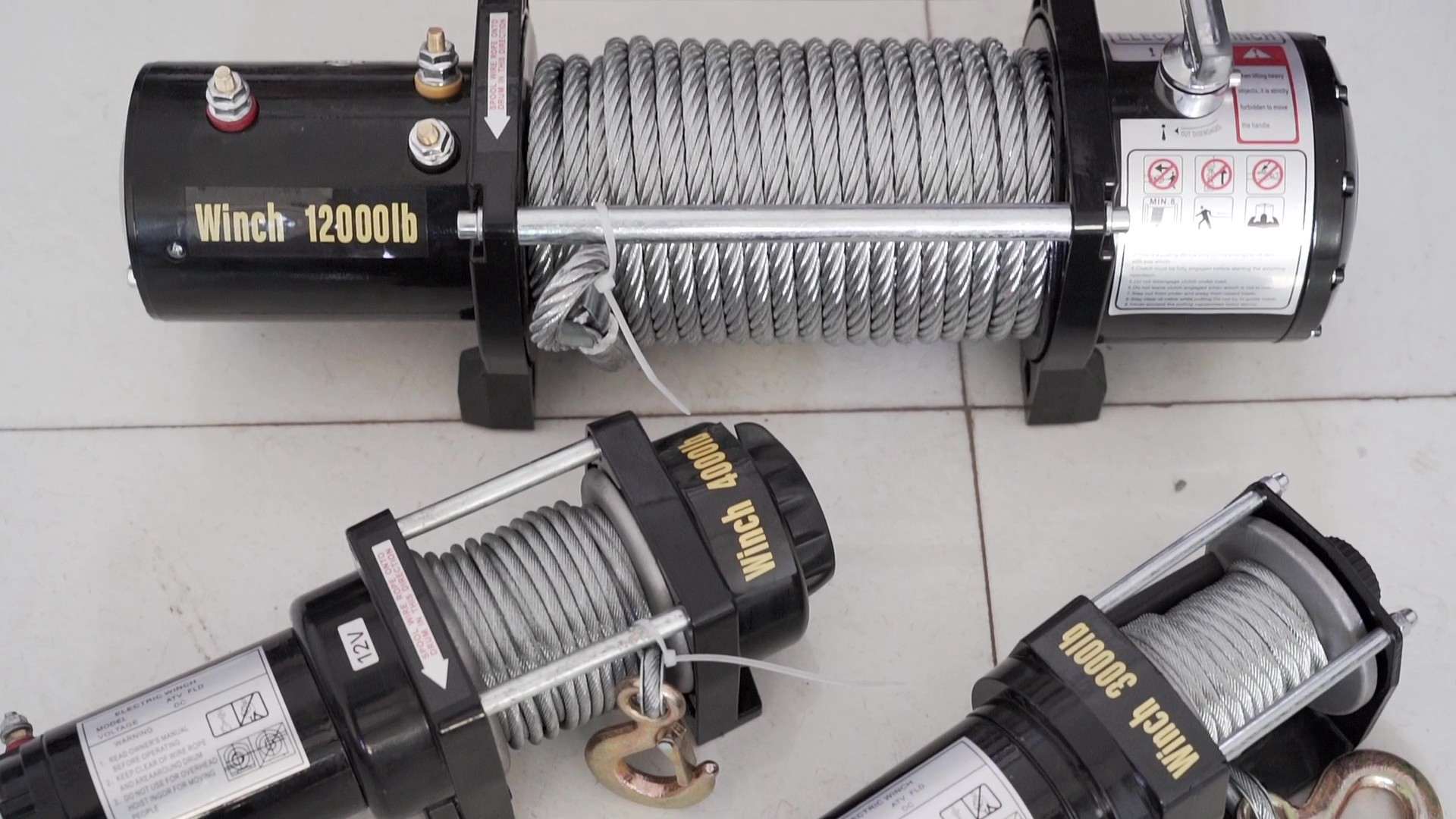
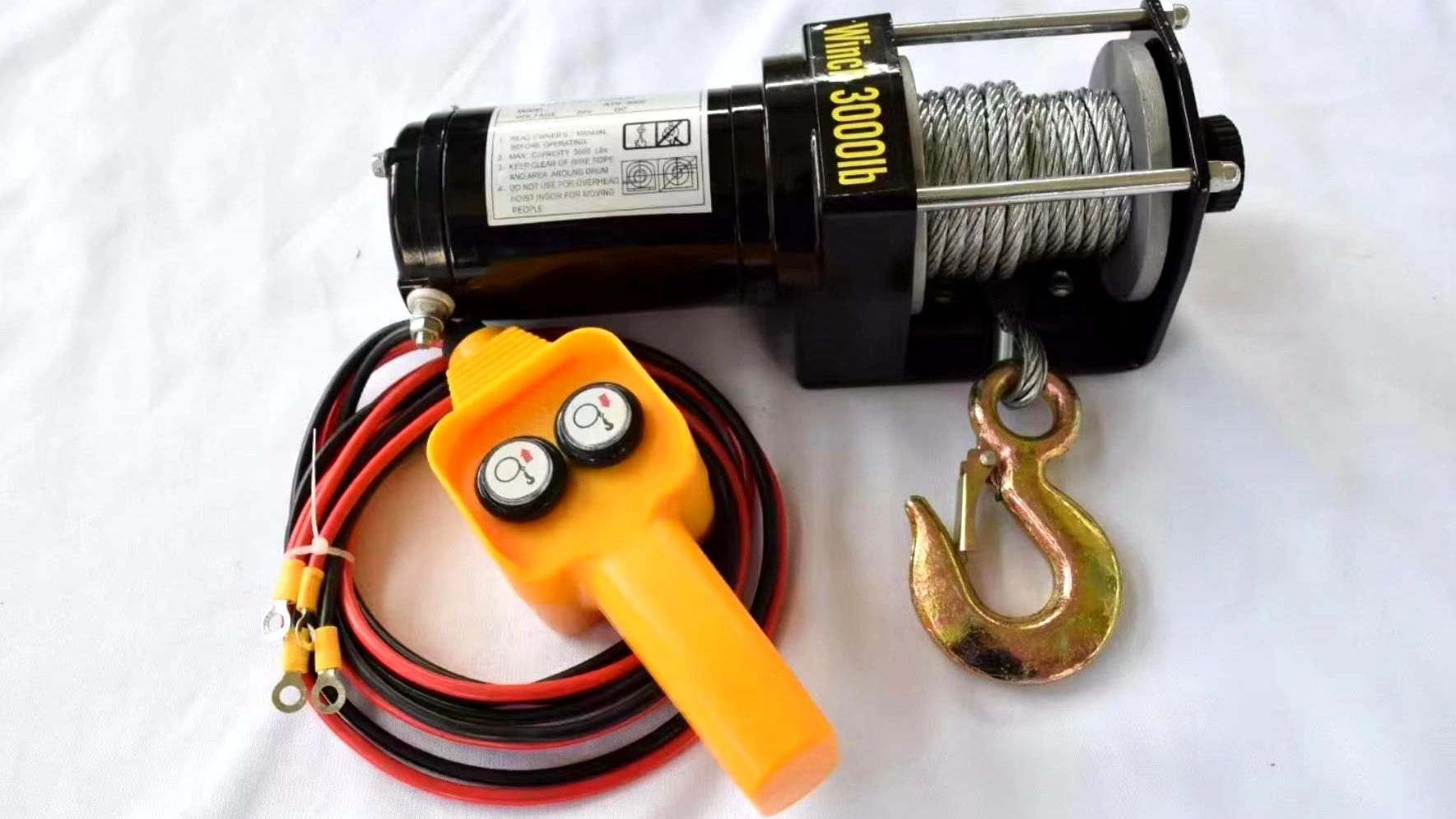
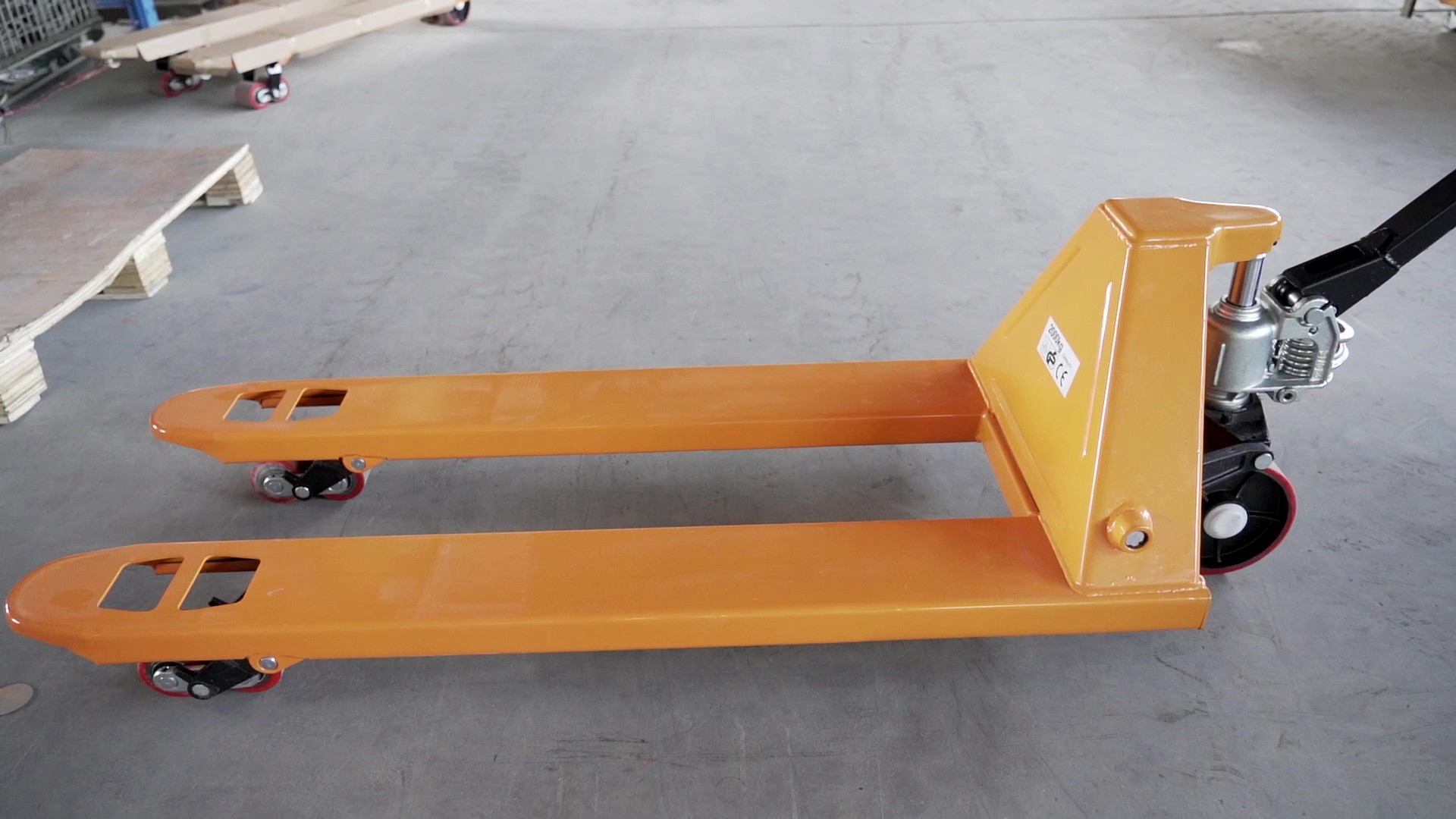
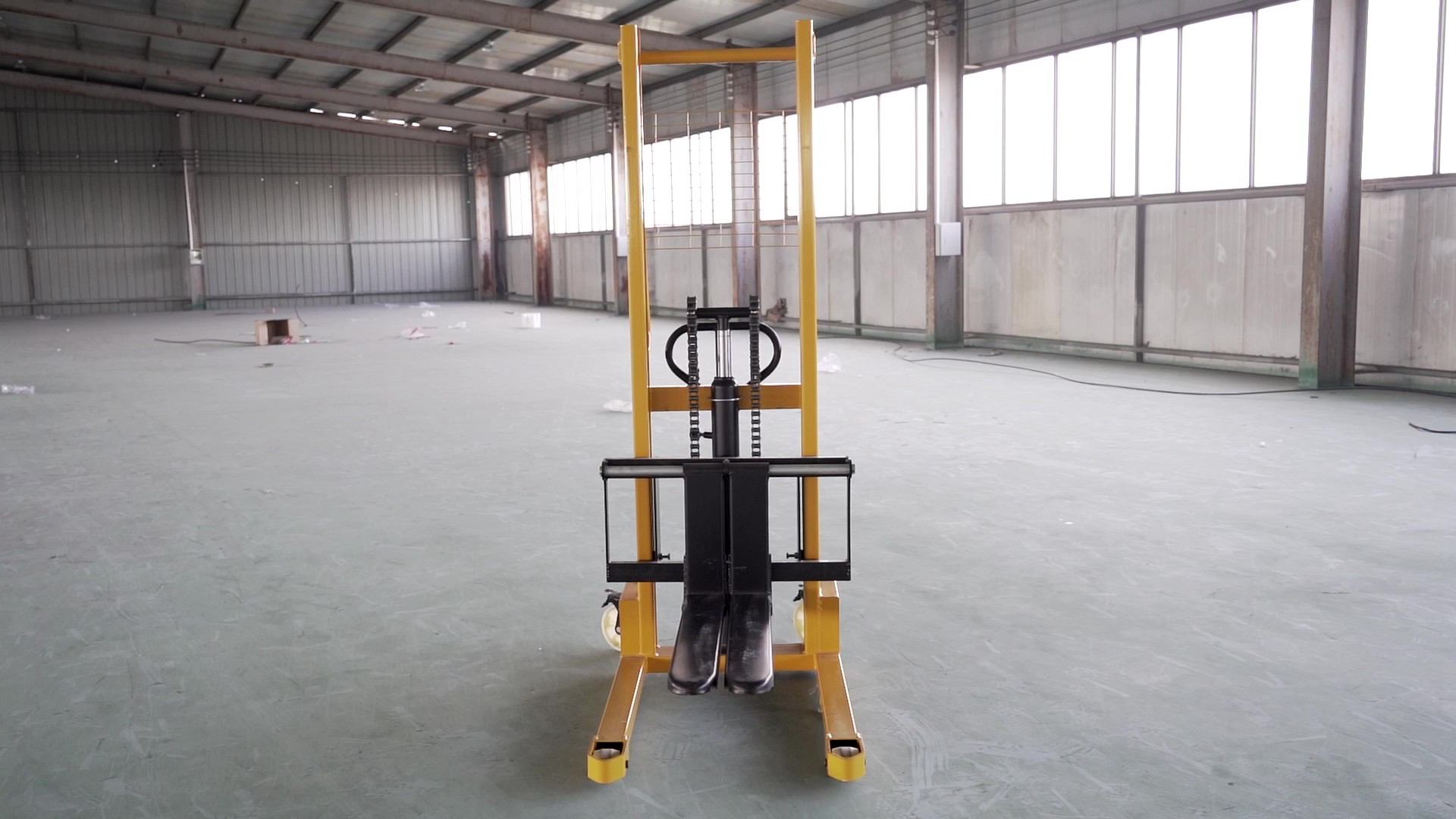
| Products/Service | Hand Pallet Truck, Hand Stacker, Electric Stacker, Aluminum Tail Lift, Dock Ramp, Lift Table |
|---|---|
| Incoterms | FOB, CFR, CIF, EXW, FCA |
| Payment Terms | L/C, T/T, Western Union, Secure Payment |
| Annual Sales Volume | US$10 Million - US$50 Million |
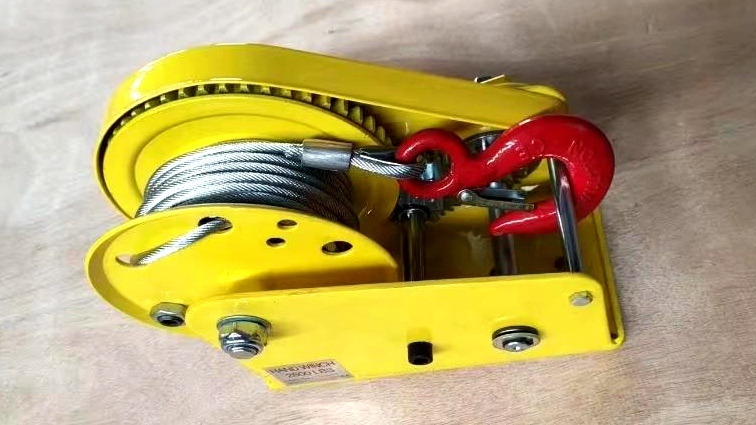
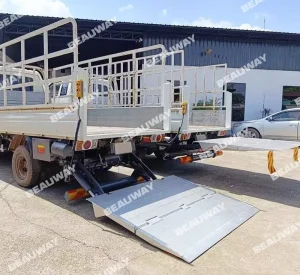
In narrow streets of Tokyo, Paris, or New York, the Aluminum Pickup Truck Tail Lift allows for quick deployment and retraction, facilitating rapid deliveries without obstructing traffic flow. The silent hydraulic operation is ideal for residential nighttime deliveries.
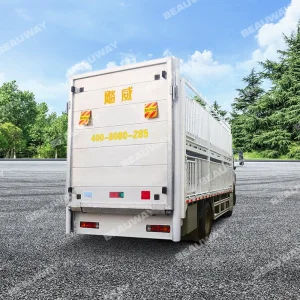
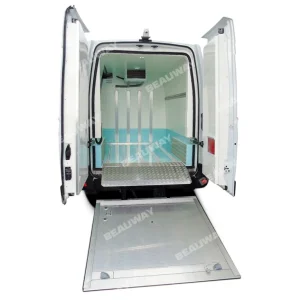
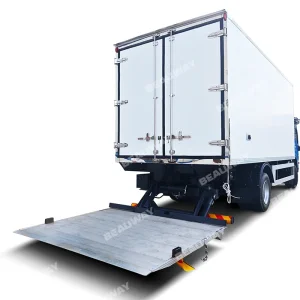
The non-corrosive nature of aluminum is essential for refrigerated trucks transporting seafood and frozen goods. Moisture and condensation don't degrade the platform, ensuring hygiene and structural safety standards are met.
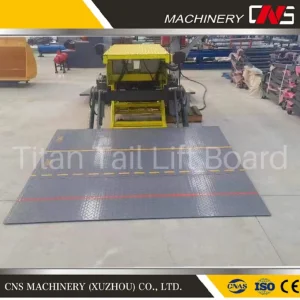
For factories moving 2-3 ton machinery, our Robust Hydraulic Aluminum Tail Lifts provide the stability of steel with a significant reduction in vehicle weight, optimizing the fuel costs for long-distance industrial haulage.
 CTRA Logistics