In the fast-evolving landscape of warehousing, effective risk management is crucial. Industry expert John Smith, a noted leader in Warehouse Risk Management Strategies, emphasizes, "Mitigating risks is not just a necessity; it’s a strategic advantage." As we look towards 2026, understanding these strategies becomes vital for businesses aiming to thrive.
The realm of Warehouse Risk Management Strategies faces numerous challenges. Supply chain disruptions, mismanagement of inventory, and workplace safety concerns are on the rise. Companies must focus on risk identification and mitigation techniques. This requires a proactive approach, embracing innovative technologies and comprehensive training.
Reflecting on past experiences, many organizations realize their readiness is often inadequate. Risk assessment needs continuous updating. Many still cling to outdated methods. Building a robust framework for risk management is not just a recommendation but a necessity for sustainability. The future requires adaptive strategies that can accommodate unforeseen challenges while ensuring operational efficiency.
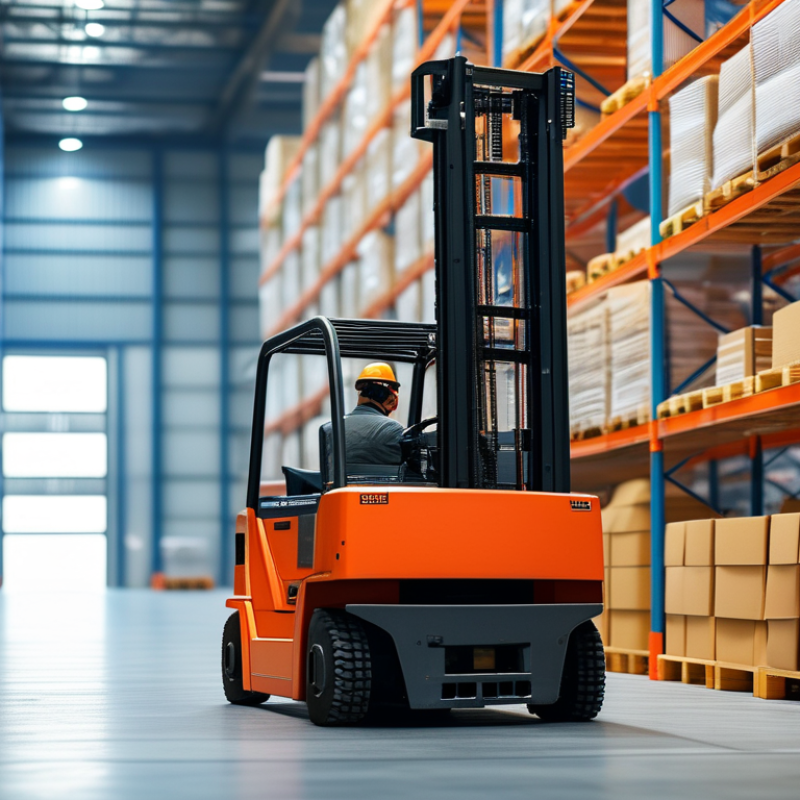
As warehouses evolve, risk management strategies must adapt to emerging trends. In 2026, organizations need to focus on data-driven decision-making. According to a McKinsey report, data analytics can reduce operational risks by up to 30%. With advanced AI tools, warehouses can predict supply chain disruptions more effectively, allowing for proactive measures to mitigate risk.
Cybersecurity is another critical aspect as threats continue to grow. A recent study by IBM highlights that 60% of small to medium-sized businesses experienced a cyber attack in the past year. Warehouses must invest in robust cybersecurity measures to safeguard sensitive operational data. Employee training on recognizing phishing attempts is equally crucial for minimizing human error.
Sustainability is becoming an important risk management factor. Companies are under pressure to adopt green practices. A report by PwC states that 78% of consumers are willing to change their purchasing behavior to reduce environmental impact. Therefore, warehouses should integrate sustainable practices while keeping an eye on compliance risks associated with environmental regulations. This shift may challenge current workflows and require rethinking logistics processes.
In 2026, warehouse operations will face several critical risk factors. One of the notable risks is supply chain disruptions. According to a report by the World Economic Forum, 75% of companies experienced at least one major supply chain issue in the past two years. This statistic underlines the need for robust contingency planning.
Labor shortages will also pose significant challenges. The Bureau of Labor Statistics indicates that the warehouse industry may face a 10% decline in workforce availability by 2026. Companies must adapt by investing in automation and training programs. Failure to address this could result in operational delays and increased overtime costs.
Environmental risks are becoming more pronounced. With climate change intensifying, warehouses face threats such as flooding and extreme temperatures. A recent study highlighted that 40% of warehouses are located in high-risk areas for natural disasters. Companies need to reassess their locations and implement resilient designs. Unmitigated risks could lead to devastating losses in inventory and infrastructure.
This chart illustrates the key risk factors affecting warehouse operations in 2026. Each factor is rated on a scale from 1 to 10, indicating its level of risk. Supply Chain Disruptions and Cybersecurity Threats are highlighted as the top concerns for warehouses in the coming years.
Warehouse safety is evolving rapidly through technological innovations. Automation tools, such as robotics, are transforming daily operations. These machines can handle heavy lifting, reducing human error and injury. Sensors can monitor equipment, alerting staff to potential failures before accidents happen. This proactive approach enhances workplace safety significantly.
AI-driven analytics offer another layer of protection. They analyze patterns in on-site accidents, identifying risks that may not be visible to the human eye. Real-time data helps create a safer environment. Workers can access training modules through virtual reality. This immersive experience prepares them for real-world challenges in a controlled setting.
Despite these advancements, challenges remain. Implementing new technologies can be costly and requires training. Workers may resist changes, fearing job loss. Therefore, management must balance innovation with employee concerns. Open communication is essential to foster a culture of safety and trust, ensuring that technology benefits everyone involved.
Effective training programs for warehouse staff are critical for managing risks in 2026. According to industry reports, nearly 70% of accidents in warehouses stem from inadequate training. This statistic highlights the need for comprehensive training strategies. Employees must be familiar with safety protocols and operational procedures to minimize risks.
Implementing hands-on training sessions can significantly increase retention. A recent study showed that models involving practical simulations improve understanding by 85%. Staff should engage in regular drills and assessments. This not only boosts confidence but also cultivates a safety-first mindset. Moreover, continuous education ensures that employees stay updated on best practices.
Leadership must actively participate in training. Involving managers not only promotes accountability but also sets a positive example. However, it is essential to recognize that training alone cannot eliminate risks. Staff may still overlook protocols, leading to potential hazards. Regular feedback and adjustments to training programs are crucial. Adapting to evolving challenges in the warehouse environment will equip employees with the tools they need for safety and efficiency.
Emergency preparedness in warehousing is crucial for minimizing risks. According to a recent report by the Occupational Safety and Health Administration (OSHA), around 5,000 workers die in accidents each year. A large number of these incidents occur in warehouse settings. Having a solid emergency plan can reduce these incidents significantly.
An effective emergency plan includes clear evacuation routes and regular drills. In a survey conducted by the National Institute for Occupational Safety and Health (NIOSH), 70% of warehouses reported they had not conducted an evacuation drill in over a year. Such statistics reveal room for improvement. Regular training equips employees with the skills needed during high-pressure situations.
Communication is a vital part of preparedness. Studies show that 88% of warehouse workers feel unprepared for emergencies. Establishing a notified communication system can help bridge this gap. Using mobile alerts ensures all employees remain informed. This strategy creates a more secure environment for everyone.
: Supply chain disruptions, labor shortages, and environmental risks pose significant challenges in 2026.
Companies can invest in automation and training programs to mitigate a potential 10% workforce decline.
Inadequate training leads to around 70% of warehouse accidents, making comprehensive training essential for safety.
Clear evacuation routes, regular drills, and effective communication systems are key components of emergency preparedness.
Regular drills are crucial; many warehouses haven't done them in over a year, indicating a gap in preparedness.
Leadership involvement in training promotes accountability and serves as a positive example for employees.
Increased risks from flooding and extreme temperatures require warehouses to reassess locations and designs for resilience.
Using mobile alerts ensures that all employees are informed and prepared for emergencies, increasing overall safety.
No, training cannot eliminate risks entirely; employees may still overlook protocols, necessitating continuous feedback and adjustments.
Regular feedback and adapting training to evolving challenges is often neglected but crucial for maintaining safety.
As we approach 2026, it is crucial for warehouse operations to adopt effective Warehouse Risk Management Strategies that address emerging trends and key risk factors. One vital aspect is the recognition of evolving threats, such as supply chain disruptions and labor shortages, which may significantly impact warehouse efficiency. Additionally, leveraging technological innovations, like automation and data analytics, can greatly enhance safety measures and streamline operations, reducing the likelihood of accidents.
Equally important is the implementation of robust training programs for warehouse staff, ensuring they are well-equipped to handle potential risks and respond effectively during emergencies. Best practices for emergency preparedness, including regular drills and comprehensive safety protocols, must also be integrated into daily operations to create a resilient warehouse environment. By focusing on these strategies, warehouses can mitigate risks and ensure a safer, more productive operational landscape in 2026.

CTRA Logistics