Top Warehouse Efficiency Improvement Ideas for Global Buyers?

Time:2026-05-01 Author:Oliver
0%

In today's fast-paced global market, optimizing warehouse operations is essential. Global buyers face many challenges, from managing inventory to reducing costs. Adopting effective Warehouse Efficiency Improvement Ideas can significantly enhance productivity.

Implementing innovative storage solutions, such as vertical shelving, can maximize space. Real-time tracking systems improve visibility and accuracy. Investing in employee training ensures staff understands best practices. However, overreliance on technology can lead to complacency. Regular assessments and adaptations are crucial for long-term success.

Engaging with industry experts offers critical insights into new strategies. Collaboration with logistics partners can also streamline processes. Yet, buyers must remain vigilant against potential setbacks. Continuous evaluation and flexibility are key to thriving in an ever-evolving landscape.
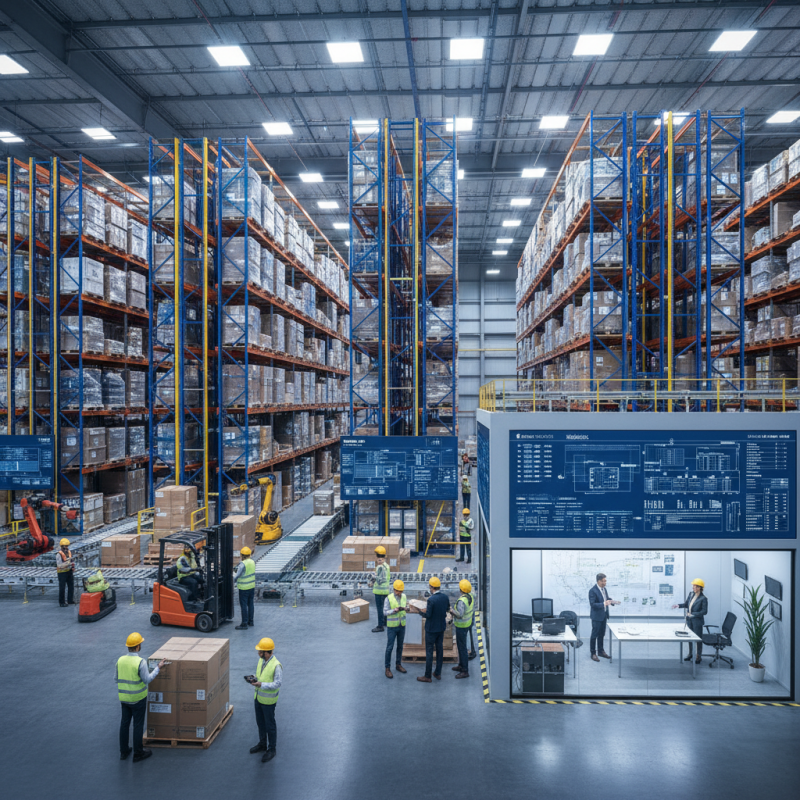
Top Warehouse Efficiency Improvement Ideas for Global Buyers?

Key Metrics for Measuring Warehouse Efficiency

Measuring warehouse efficiency requires a set of key metrics. These metrics help identify areas for improvement. Common measurements include order picking accuracy, inventory turnover, and labor productivity. Each of these metrics tells a part of the story regarding efficiency.

Order picking accuracy is crucial. Errors can lead to increased costs and customer dissatisfaction. Tracking this metric helps warehouses maintain quality control.

Inventory turnover shows how effectively stock is managed. A low turnover rate might suggest overstocking issues. Such a situation ties up capital and space, decreasing overall efficiency.

Labor productivity is often overlooked. It reflects how effectively employees use their time. Understanding labor costs is important, too. Tracking how long tasks take can reveal bottlenecks. Employees can struggle with outdated procedures that need to be modernized. By focusing on these key metrics, global buyers can foster efficiency in their operations.

Innovative Technologies to Enhance Warehouse Operations

In today's fast-paced logistics landscape, innovative technologies play a critical role in enhancing warehouse operations. Automation is a game-changer. Automated storage and retrieval systems can speed up order fulfillment. They minimize human error and free up employee time for more complex tasks. Implementing these systems, however, requires significant investment. It’s essential to evaluate costs against potential efficiency gains.

Another exciting advancement is the use of data analytics. Leveraging real-time data can dramatically optimize inventory management. Predictive analytics helps in making informed decisions about stock levels. However, relying solely on data may lead to missed opportunities if the data interpretation does not align with operational needs. Balancing data dependency with experienced insight is key.

Lastly, integrating IoT devices offers visibility and control over warehouse environments. Sensors can track conditions, providing alerts for temperature or humidity changes. Despite the promise of IoT, the initial setup can be complex. It may also require ongoing management, which can be daunting for facilities with limited IT resources. Embracing these technologies demands both an open mind and a willingness to adapt.

Streamlining Inventory Management Practices

Inventory management is a critical aspect of warehouse efficiency. Streamlining these practices can lead to significant cost savings. According to a 2023 report from the Warehousing Association, inaccurate inventory data can reduce profitability by up to 25%. Companies must focus on real-time data collection and analysis to prevent stock discrepancies.

Implementing automated systems for tracking inventory can greatly improve accuracy. Research shows that businesses using automated solutions report a 30% decrease in errors. However, the challenge remains in integrating these technologies with existing systems. Many companies struggle with data alignment and system compatibility, leading to confusion.

Investing in employee training is equally important. A report by Supply Chain Digest indicates that 70% of warehouse employees are not fully trained in inventory management. This gap can cause inefficiencies and lost productivity. Encouraging employees to adopt new practices is essential, but organizational resistance remains a common hurdle. Effective communication and support can help bridge this gap.

Effective Layout Design for Optimized Workflow

Effective layout design is crucial for optimizing workflow in warehouses. A well-planned layout minimizes unnecessary movement and reduces time spent on tasks. For instance, placing frequently accessed items closer to packing and shipping areas can streamline operations. Each section of a warehouse should have a clear purpose and flow, allowing workers to navigate efficiently.

Consider adopting the ABC analysis method. This technique categorizes inventory based on its turnover rate. High-demand products occupy prime real estate near dispatch areas. Meanwhile, slower-moving items can be positioned further away. This strategic placement not only enhances efficiency but also encourages thoughtful reflection on inventory management.

Some layouts might initially seem perfect but can lead to bottlenecks. Regular assessments are essential to identify these issues. Gathering employee feedback can highlight areas of confusion or delay. Adjusting the layout based on real-world experiences ensures that it evolves with changing needs and improves overall efficiency.

Top Warehouse Efficiency Improvement Ideas for Global Buyers

Improvement Idea Description Expected Benefits Implementation Timeframe Estimated Cost
Optimized Layout Design Reorganizing warehouse layout to minimize walk time and streamline processes. Increased picking efficiency and reduced labor costs. 1-2 months $5,000 - $10,000
Automation Solutions Implementing automated storage and retrieval systems. Reduced labor costs and increased accuracy in order fulfillment. 6-12 months $100,000 - $500,000
Inventory Management Software Using software to manage stock levels, track inventory, and forecast demand. Improved inventory accuracy and efficiency. 3 months $10,000 - $50,000
Enhanced Training Programs Providing comprehensive training for staff on new systems and practices. Higher productivity and lower error rates. 1 month $2,000 - $5,000
Regular Performance Analysis Conducting frequent assessments of warehouse operations. Identification of inefficiencies and opportunities for improvement. Ongoing Variable

Staff Training and Development for Improved Productivity

In the fast-paced world of warehousing, staff training is often overlooked. Yet, it is crucial for boosting productivity. Proper training equips employees with the skills they need to operate efficiently. Fostering a culture of continuous learning can lead to significant performance improvements.

To start, consider implementing a regular training program. Employees should be trained on new technologies and processes. Workshops can cover everything from safety procedures to inventory management. Ignoring these areas leads to mistakes, which can be costly. The challenge is engaging staff in the training process. Not all training modules resonate with every employee. It’s essential to gather feedback and adjust accordingly.

Additionally, peer mentorship can enhance the learning experience. Pairing newer staff with seasoned employees promotes knowledge transfer. It also builds a sense of camaraderie. However, not every mentor-mentee relationship flourishes. Monitoring these pairings and making adjustments is vital. Training should be a living program, evolving with the warehouse’s needs. By focusing on these elements, warehouses can see a tangible increase in efficiency over time.

FAQS

: What are key metrics for measuring warehouse efficiency?

: Key metrics include order picking accuracy, inventory turnover, and labor productivity. Each metric reveals unique insights.

Why is order picking accuracy important?

Errors in order picking increase costs and can lead to customer dissatisfaction. Maintaining accuracy is crucial for quality control.

How does inventory turnover affect warehouse efficiency?

A low inventory turnover rate may indicate overstocking. This situation ties up capital and decreases efficiency.

What should companies focus on in inventory management?

Companies need real-time data collection to prevent stock discrepancies. Accurate data is linked to improved profitability.

How can automation improve inventory management?

Automated systems can reduce errors by up to 30%. Integration with current systems often poses significant challenges.

What is a common issue with warehouse employee training?

Many employees lack full training in inventory management. This gap leads to inefficiencies and can hinder productivity.

What layout design strategies can optimize workflow?

Placing frequently accessed items near shipping areas minimizes movement, streamlining operations. Each area should have a specific purpose.

What is the ABC analysis method used for?

ABC analysis categorizes products based on turnover rates. High-demand items are placed closer to dispatch areas for efficiency.

Why is regular assessment of warehouse layout necessary?

Layouts may seem efficient but can create bottlenecks. Employee feedback can reveal areas needing adjustment.

How can companies support employees adopting new practices?

Effective communication and support are crucial. Overcoming organizational resistance ensures smoother transitions to new methods.

Conclusion

In today's competitive market, enhancing warehouse operations is crucial for global buyers seeking to improve productivity and efficiency. Implementing key metrics for measuring warehouse efficiency provides valuable insights into performance and areas needing improvement. Innovative technologies, such as automation and robotics, can significantly streamline processes, while effective inventory management practices ensure optimal stock levels and reduce waste.

Additionally, a well-thought-out layout design fosters an optimized workflow, minimizing travel time and enhancing collaboration among staff. Finally, investing in staff training and development is essential, as a knowledgeable workforce contributes to overall productivity and efficiency. Combining these Warehouse Efficiency Improvement Ideas will lead to a more effective and agile warehouse operation, ultimately benefiting global buyers in their logistics and supply chain management.

Oliver

Oliver

Oliver is a seasoned marketing professional with a wealth of expertise in driving brand awareness and engagement. With a deep understanding of our company's product offerings, he consistently delivers high-quality content that enriches our professional blog. His insights not only shed light on......