In today’s fast-paced business environment, ensuring warehouse safety is paramount. A comprehensive Warehouse Safety Compliance Checklist is vital for maintaining a secure working atmosphere. Unsafe practices can lead to accidents, injuries, and significant financial losses. Utilizing a well-crafted checklist helps businesses identify potential hazards and enforce safety protocols.
Each item on the checklist serves as a reminder of the importance of safety. Regularly reviewing these items fosters a culture of safety among employees. It also promotes accountability as each team member understands their role in maintaining compliance. Certain responsibilities may be overlooked, however, leading to dangerous situations. Thus, constant diligence is needed.
Investing time in developing and updating the Warehouse Safety Compliance Checklist is essential. Yet, many businesses may find it challenging to keep it current. This ongoing effort can reveal gaps in safety procedures. By addressing these weaknesses, companies can enhance their overall safety performance. A proactive approach to warehouse safety not only protects employees but also strengthens the organization's reputation.
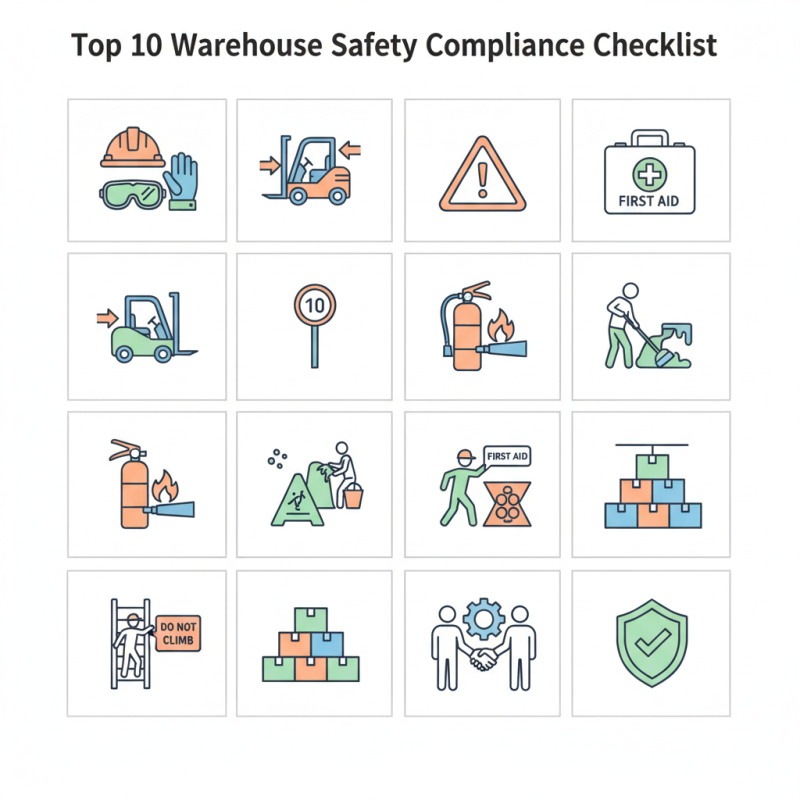
A warehouse safety compliance checklist is vital for maintaining a safe working environment. According to the Occupational Safety and Health Administration (OSHA), a significant percentage of workplace accidents occur in warehouses. In fact, the Bureau of Labor Statistics reported that over 100,000 injuries in warehouses happen each year. An effective checklist can help reduce this number significantly.
Key elements in a safety compliance checklist include personal protective equipment (PPE) inspections. Ensure employees wear appropriate gear like helmets and gloves. Additionally, regular maintenance of machinery and equipment is critical. Operators should be trained adequately to minimize risks. A lack of training can lead to mishaps. A recent study indicated that training can cut accident rates by up to 40%.
Another essential checklist item is the organization of storage areas. Clearly marked aisles help prevent accidents. However, many businesses overlook this aspect. Proper labeling of hazardous materials also plays a crucial role in safety compliance. Many companies fail to address this, leading to dangerous situations. A well-structured checklist fosters accountability and can transform warehouse safety practices.
| Tip No. | Safety Tip | Description | Frequency |
|---|---|---|---|
| 1 | Conduct Regular Inspections | Ensure all equipment and work areas are regularly checked for safety compliance. | Monthly |
| 2 | Employee Training | All employees must receive proper training on safety protocols and emergency procedures. | Annually |
| 3 | Use Proper Personal Protective Equipment (PPE) | Ensure all workers have access to and use the required safety gear. | Always |
| 4 | Clear Walkways | Keep aisles and walkways clear of obstructions to prevent tripping hazards. | Daily |
| 5 | Proper Equipment Usage | Ensure employees are trained on how to safely operate machinery. | Always |
| 6 | Emergency Exits | Ensure emergency exits are clearly marked and accessible at all times. | Monthly |
| 7 | Fire Safety Equipment | Regularly inspect fire extinguishers and ensure they are maintained. | Monthly |
| 8 | First Aid Kits | Ensure first aid kits are fully stocked and accessible. | Quarterly |
| 9 | Incident Reporting | Establish a clear procedure for reporting and investigating accidents. | Always |
| 10 | Housekeeping | Maintain a clean and organized workspace to promote safety. | Daily |
: It helps maintain a safe working environment and reduces workplace accidents significantly.
Ensure employees wear appropriate gear like helmets and gloves. Regular inspections are crucial.
Proper training can cut accident rates by up to 40%. Inadequate training increases risks.
Common hazards include improper lifting techniques, cluttered walkways, and inadequate training.
They must be properly stored and labeled to prevent severe accidents. Clear communication is essential.
They are essential for reducing injuries during emergencies. Regular updates ensure effectiveness.
Proper signage can prevent up to 30% of workplace accidents. Signs must be clear and visible.
Yes, frequent drills build confidence. Many companies conduct them infrequently, which is concerning.
Encourage open communication about safety concerns. Individual responsibility is key for a safe workspace.
Continuous training and education about hazards are vital for compliance and overall safety enhancement.
A Warehouse Safety Compliance Checklist is crucial for ensuring a safe working environment in warehouse operations. This checklist should encompass essential elements like identifying common warehouse hazards and risks, which include issues such as improper storage, equipment malfunctions, and slips and falls. Regular training for employees on safety protocols and procedures is necessary to cultivate a safety-first culture and minimize accidents.
Additionally, the checklist should emphasize the importance of regular inspection and maintenance of warehouse equipment to ensure everything is functioning properly. Implementing emergency response plans and displaying clear safety signage are also critical components to prepare staff for unexpected events and to promote awareness of safety practices. By adhering to these tips, businesses can effectively enhance their warehouse safety compliance and protect their workforce.

 CTRA Logistics