In the realm of material handling, safety remains a critical concern for global buyers. Effective Material Handling Safety Tips are essential for protecting workers and enhancing productivity. Despite advances in technology, accidents still happen. Many companies overlook basic safety protocols, which can lead to injuries and costly downtime. It's vital to prioritize safety training and equipment maintenance, yet some organizations struggle with these areas.
Safety is not just a set of rules; it is a culture. Buyers must understand the importance of fostering a safety mindset among employees. For instance, regular safety audits can identify potential hazards. Encouraging open communication about safety issues creates a more secure work environment. However, even the best plans can fall short if they are not actively enforced.
Maintaining awareness of the latest safety standards can be challenging. Some companies may find it easy to become complacent, thinking their current measures are sufficient. This mindset can lead to dire consequences. Global buyers should consistently seek fresh Material Handling Safety Tips to ensure ongoing safety improvements. Investing in training and equipment can pay off significantly by reducing accidents and enhancing overall operational efficiency.
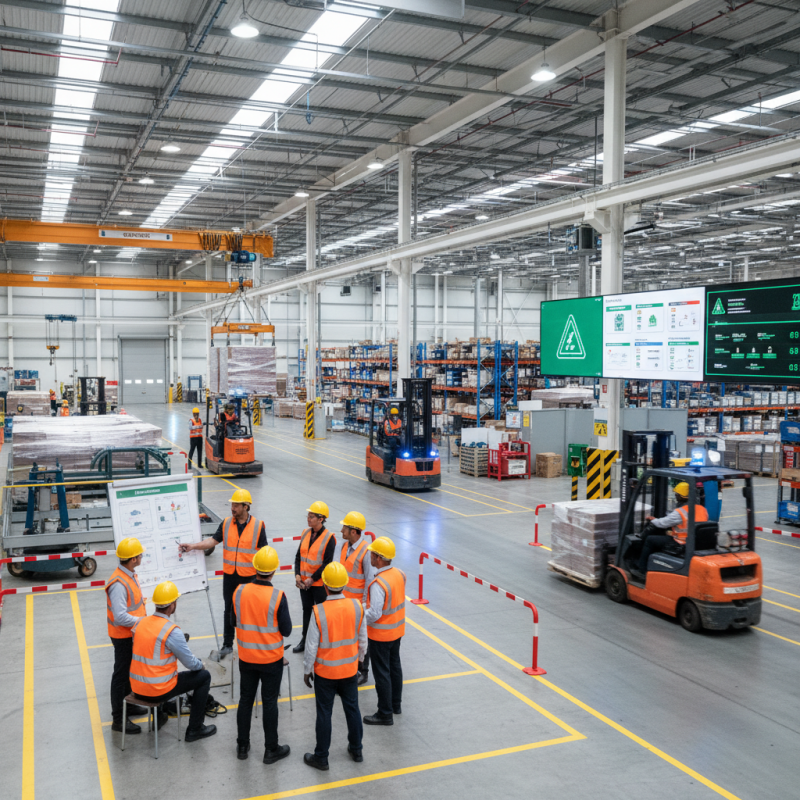
When selecting safe material handling equipment, it's crucial to consider various factors that affect workplace safety. According to the U.S. Bureau of Labor Statistics, more than 20% of workplace injuries stem from material handling accidents. Choosing the right equipment can significantly reduce these risks.
One tip is to assess the equipment's load capacity. Overloading can lead to equipment failure, causing injuries. Additionally, ergonomics play a vital role in worker safety. Tools designed with ergonomic principles can minimize the risk of musculoskeletal disorders.
Another point to consider is the equipment's maintenance. Regular inspections are essential for identifying potential hazards. In a study by the National Safety Council, 70% of incident reports involved equipment that hadn't been properly maintained. Proper training for employees on equipment use is also critical. Make sure they understand safety protocols. Creating a culture of safety awareness improves overall workplace conditions.
Material handling operations carry inherent risks, making safety training essential. Proper training not only reduces accidents but also enhances employee confidence. Personnel should engage in hands-on training that focuses on equipment use and ergonomic practices.
One effective tip is to conduct regular safety drills. These drills can simulate real-life scenarios, helping employees to stay prepared. Involving staff in discussions about safety protocols fosters a culture of awareness. Encourage them to speak up if they notice unsafe conditions.
Another important aspect is the use of visual aids. Clear signage and instructional posters should be placed around the workspace. They serve as constant reminders of safety practices and emergency procedures. A thorough understanding of these protocols can prevent mishaps.
Implementing feedback mechanisms is also crucial. Employees should feel comfortable reporting near misses or unsafe conditions. Reflecting on these incidents can lead to improved safety measures. Engaging in continuous improvement keeps the material handling environment safe and efficient.
This chart represents the importance level of various safety tips for material handling personnel as identified for 2026. Proper training and awareness are crucial for ensuring a safe working environment.
Implementing effective warehouse safety protocols is critical for minimizing risks. A recent report from the Occupational Safety and Health Administration (OSHA) highlights that nearly 25% of workplace injuries occur in warehouses. Understanding and addressing these risks can greatly enhance safety outcomes.
Regular employee training is essential. According to a National Safety Council study, companies with ongoing safety training see a reduction in injury rates by up to 40%. This emphasizes the need for regular refreshers and updates on safety practices. Engaging employees in safety drills fosters a culture of accountability. Employees should be encouraged to report near-misses, creating a proactive environment.
Incorporating technology can also improve safety protocols. For instance, automated systems can help reduce human error. A study found that using automation can decrease accidents by around 30%. However, relying too heavily on technology without proper human oversight can lead to complacency. Companies must find the right balance to ensure safety protocols remain effective.
In material handling operations, innovative technologies are reshaping safety protocols. According to industry reports, automated systems reduce workplace injuries by 40%. Robotics can lift heavy loads, minimizing human strain. Remote-controlled equipment enhances safety by keeping workers at a safe distance. This shift to automation is crucial; accidents can disrupt operations and lead to hefty financial losses.
Wearable technology is gaining traction as well. Smart helmets and vests track worker movements and environmental conditions. They alert users to potential hazards. In a recent study, companies using wearables reported a 30% decrease in accidents. However, the introduction of such technology is not without challenges. Ensuring proper training and integration remains essential for success.
Furthermore, data analytics play a significant role in enhancing safety. By analyzing patterns, companies can identify high-risk areas and prevent incidents. Predictive maintenance can prevent equipment failures. Despite these advancements, some organizations struggle with adopting new technologies. Resistance to change can hinder safety improvements. Continuous investment in training and development is necessary for a safer future.
Understanding safety standards is critical for global buyers in material handling. Regulatory compliance ensures that operations minimize risks effectively. Every country adopts specific safety regulations. These cover equipment design, operation protocols, and employee training. Familiarizing with local laws helps businesses avoid fines and enhances workplace safety.
Safety standards often include OSHA regulations and ISO certifications. Buyers should understand these frameworks. They dictate how materials are handled and transported. Proper labeling, signage, and personal protective equipment (PPE) are vital. A safety audit may reveal gaps in compliance. Regular training sessions can reinforce best practices among employees.
Buyers might struggle with keeping up with evolving regulations. Industry standards change frequently. This constant evolution requires ongoing education. Attending workshops or seminars can provide updates on compliance. Implementing a culture of safety and accountability fosters a reliable environment. Mistakes in compliance not only affect safety but can also damage a company’s reputation.
: Assess the equipment's load capacity and avoid overloading to prevent failures and injuries.
Ergonomic designs can reduce the risk of musculoskeletal disorders among workers, improving safety.
Regular inspections help identify hazards. Most incidents involve poorly maintained equipment.
Employees need hands-on training about equipment use, safety protocols, and ergonomic practices.
Regular drills prepare employees for real scenarios, promoting readiness and awareness of safety protocols.
Clear signage and instructional posters remind workers of safety practices and emergency procedures.
Reporting near misses helps improve safety measures. Reflecting on incidents promotes continuous improvement.
Automated systems and robotics reduce human strain. They can lower workplace injury rates significantly.
Smart helmets and vests track movements and alert workers to hazards, leading to fewer accidents.
Resistance to change can hinder safety improvements. Training and integration are crucial for success.
In 2026, material handling safety tips are more critical than ever for global buyers navigating the complexities of efficient and safe operations. Selecting appropriate material handling equipment should prioritize safety features, ensuring compliance with established safety standards. Essential safety training programs are paramount for personnel, fostering a culture of awareness and reducing the likelihood of accidents in the workplace.
Implementing best practices for warehouse safety protocols is vital, as these guidelines support a systematic approach to risk mitigation. Moreover, innovative technologies are revolutionizing safety measures, enhancing operational efficiency and reducing hazards. Understanding regulatory compliance not only safeguards employees but also protects organizational integrity within the industry. By focusing on these material handling safety tips, companies can create a safer working environment, ultimately leading to improved productivity and employee well-being.
CTRA Logistics