China Top 10 Safe Material Handling Practices for Buyers?

Time:2026-05-13 Author:Charlotte
0%

In the realm of logistics and supply chain management, the importance of Safe Material Handling Practices cannot be overstated. These practices are essential for preventing accidents and ensuring the welfare of workers. Many companies often overlook potential hazards, leading to serious consequences. Buyers must prioritize safety to enhance operational efficiency and protect their workforce.

Effective material handling is not just about lifting and moving items; it encompasses a strategic approach to training and employee awareness. Implementing safe practices fosters a culture of safety in the workplace. It also addresses the common mistake of neglecting routine inspections. Buyers should be aware that proper equipment and techniques are crucial for minimizing injury risks.

Maintaining a focus on Safe Material Handling Practices not only safeguards employees but also boosts productivity. However, organizations sometimes underestimate the need for continuous improvement in these practices. Reflection on past incidents is vital. By learning from mistakes, companies can enhance their safety measures and create a safer environment for everyone involved.
China Top 10 Safe Material Handling Practices for Buyers?

Understanding Safe Material Handling Practices in China

Understanding safe material handling practices in China is crucial for ensuring workplace safety and operational efficiency. With a growing demand for streamlined logistics, understanding local practices can enhance buyer confidence. Safety protocols not only protect employees but also preserve company assets.


Tip: Always assess your work environment. Identify potential hazards before starting. Small changes can lead to significant safety improvements. Regular training for employees on lifting techniques is essential to avoid injury.


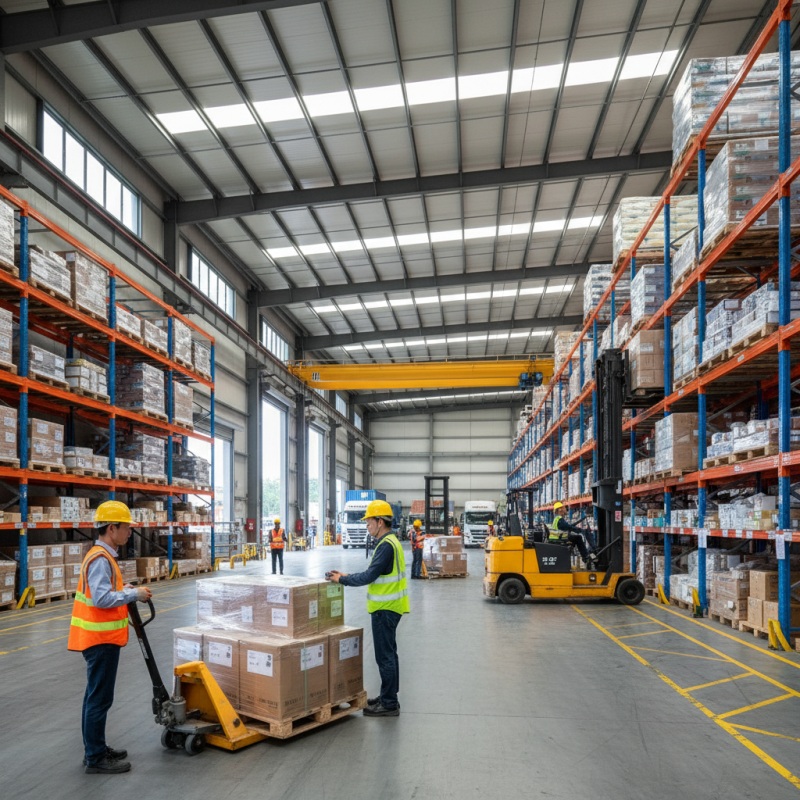
Proper equipment usage is vital in safe material handling. This includes forklifts, pallet jacks, and conveyor systems. Ensuring that workers are trained to use this equipment correctly minimizes the risk of accidents. Regular maintenance checks on machinery can prevent unexpected breakdowns.


Tip: Create a checklist for safety inspections. Sometimes, overlooked details lead to incidents. Encourage feedback from workers about safety practices. Their insights can highlight potential areas for improvement. Maintain an open dialogue around safety concerns to foster a culture of awareness.

Key Regulations Governing Material Safety in China

In China, material safety is governed by several important regulations. The general Standard for the Safety of Chemical Products outlines requirements for the safe handling of materials. This encompasses labeling, storage, and transportation practices. It's crucial for businesses to comply with these standards to minimize risks associated with hazardous materials.

Moreover, the Work Safety Law emphasizes the responsibilities of employers in ensuring worker safety. This includes conducting regular training sessions for personnel involved in material handling. Employers must assess risks in their operations. Implementing safe practices is essential, not just for compliance but for the well-being of employees.

Frequent audits and inspections are necessary to maintain safety standards. Many organizations struggle with effective monitoring. This can lead to non-compliance issues. Addressing these gaps can enhance safety practices. As regulations evolve, continuous education becomes vital for businesses involved in material handling. Staying informed is key to ensuring safety in the workplace.

Top Techniques for Ensuring Safe Handling of Materials

In today’s fast-paced industrial environment, ensuring safe handling of materials is crucial for preventing accidents and injuries. Adopting effective techniques can greatly enhance safety. One vital practice involves proper training. Workers should understand the protocols for handling materials safely. Regular safety drills can reinforce these behaviors.

Tip: Always assess your work environment. Identify potential hazards and address them proactively. Simple changes can make a significant difference in safety. For example, ensuring that pathways are clear can prevent trips and falls.

Another important technique is the use of appropriate equipment. Gear such as gloves, goggles, and helmets can protect workers from injuries. Regular maintenance of handling equipment is essential too. Malfunctioning equipment can lead to serious accidents.

Tip: Encourage a culture of safety. Open communication about risks is vital. Team members should feel comfortable discussing hazards. This transparency can lead to a safer workplace overall.

Best Practices for Training Employees on Material Handling Safety

Training employees on material handling safety is crucial in any workplace. Effective training improves safety compliance and reduces accidents. Developing a robust training program involves several key elements.

Create interactive training sessions. Use real-life scenarios that employees might face. Engage them with hands-on practice. This builds confidence and reinforces learning. Incorporate visual aids to enhance understanding. Many employees retain information better with visual references.

Tips: Regular refresher courses help maintain safety awareness. Encourage open discussions about safety challenges. Employees can share experiences and solutions. This fosters a culture of safety.

Evaluate training effectiveness regularly. Gather feedback from employees. Identify areas for improvement. This allows the program to adapt to changing needs. Continuous improvement is vital for a safe working environment. Get input from all levels of staff to ensure comprehensive coverage.

Evaluating and Selecting Safe Material Handling Equipment

When it comes to selecting safe material handling equipment, buyers should prioritize safety and reliability. Industry reports indicate that nearly 30% of workplace injuries arise from improper handling of materials. Therefore, investing in reliable equipment is crucial. Look for gear that meets or exceeds safety standards. Check for certifications from recognized organizations to ensure that the equipment will perform as expected.

Tips for selecting safe equipment include conducting thorough research. Review user feedback and safety ratings before purchasing. Consider how easily the equipment can be operated. Complexity may lead to operator errors. Training programs, while essential, may not completely mitigate risks associated with using poorly designed tools.

Another critical consideration is the equipment's maintenance requirements. Downtime due to equipment failure can lead to unsafe conditions. Regular inspections and maintenance checks are vital to keeping the workplace safe. Reports show that proactive maintenance can reduce equipment failures by up to 40%. By selecting equipment that is easier to maintain, buyers can enhance safety and efficiency. Investing in safe material handling equipment is not just a legal requirement; it’s a commitment to workplace safety.

China Top 10 Safe Material Handling Practices for Buyers

Practice Description Importance
Proper Training Ensuring all personnel are trained in material handling procedures. Reduces accidents and promotes a safety culture.
Use of Personal Protective Equipment (PPE) Mandatory use of helmets, gloves, and other protective gear. Protects workers from injuries.
Regular Equipment Maintenance Routine checks and maintenance of equipment to ensure efficiency. Prevents failures and extends equipment life.
Clear Signage and Labels Use of clear labels and signs for hazards and safe pathways. Enhances awareness and guidance for safe navigation.
Load Limits Establish and enforce weight limits for lifting and transporting materials. Prevents overexertion and injury.
Ergonomic Practices Implement techniques to minimize strain during manual handling. Reduces the risk of musculoskeletal disorders.
Use of Automation Employ automated systems for handling materials when possible. Decreases human error and increases efficiency.
Emergency Procedures Develop and communicate emergency response plans. Ensures readiness in case of incidents.
Regular Safety Audits Conduct periodic assessments of safety practices and equipment. Identifies hazards and improves safety measures.
Continuous Improvement Encourage feedback and adapt safety practices accordingly. Fosters a proactive safety culture.

FAQS

: Why is safe material handling important in the workplace?

: Safe material handling protects employees and preserves company assets, leading to increased operational efficiency.

How can I assess potential hazards in my work environment?

Regularly evaluate your surroundings to identify risks. Small changes can significantly enhance safety.

What safety training should employees receive?

Employees must be trained in proper lifting techniques and material handling protocols to avoid injuries.

Why is proper equipment usage essential?

Correct equipment usage, like forklifts and pallet jacks, reduces the risk of accidents and injuries at work.

How often should equipment maintenance be conducted?

Regular maintenance checks are vital. They can prevent unexpected breakdowns and enhance workplace safety.

How can feedback contribute to safety practices?

Encouraging worker feedback helps identify overlooked hazards and areas for improvement in safety protocols.

What role does open communication play in workplace safety?

Transparent discussions about risks foster a culture of safety, making employees more comfortable addressing concerns.

Why should I consider equipment reliability before purchase?

Reliable equipment reduces the likelihood of workplace injuries and ensures safe material handling practices.

How can I encourage a culture of safety among team members?

Promote open communication about risks and safety concerns to foster awareness and collaboration in preventative measures.

What are the consequences of neglecting equipment maintenance?

Ignoring maintenance can lead to equipment failures, unsafe conditions, and increased injury risks in the workplace.

Conclusion

In China, adhering to Safe Material Handling Practices is crucial for ensuring workplace safety and efficiency. Understanding the key regulations governing material safety is the first step for buyers. These regulations set the standards that companies must follow to maintain a safe working environment. Implementing top techniques for the safe handling of materials, such as proper lifting methods and the use of personal protective equipment, significantly reduces the risk of workplace accidents.

Moreover, providing effective training for employees on these safety practices is essential. This training should encompass the dangers associated with material handling and the correct procedures to mitigate risks. Finally, evaluating and selecting appropriate material handling equipment is vital to support safe operations. By incorporating these best practices, companies can foster a culture of safety that protects employees and enhances overall productivity.

Charlotte

Charlotte

Charlotte is a seasoned marketing professional with a deep understanding of the company's portfolio and a passion for elevating its presence in the market. With a keen eye for detail and a commitment to excellence, she ensures that our professional blog is regularly updated with insightful articles......