Why Safe Handling of Heavy Loads is Essential for Success?

Time:2026-08-10 Author:Charlotte
0%

In today's fast-paced industry, the safe handling of heavy loads is crucial for success. Proper techniques not only protect workers but also ensure operational efficiency. According to John Parker, a leading expert in workplace safety, "Handling heavy loads without proper training can lead to serious injuries." Understanding "How To Handle Heavy Loads Safely" can prevent accidents and keep everyone secure.

Many workplaces lack adequate safety protocols. This could lead to harmful situations that affect both employees and productivity. Safety training should focus on lowering risks involved in moving heavy objects. Implementing ergonomic principles and utilizing appropriate equipment is essential.

Heavy loads require attention and care. Mistakes can happen quickly, leading to injuries and costly downtime. Regular evaluations of handling procedures are necessary. Organizations should reflect on their safety practices and strive for continuous improvement. By fostering a culture of safety, businesses can enhance the well-being of their teams.
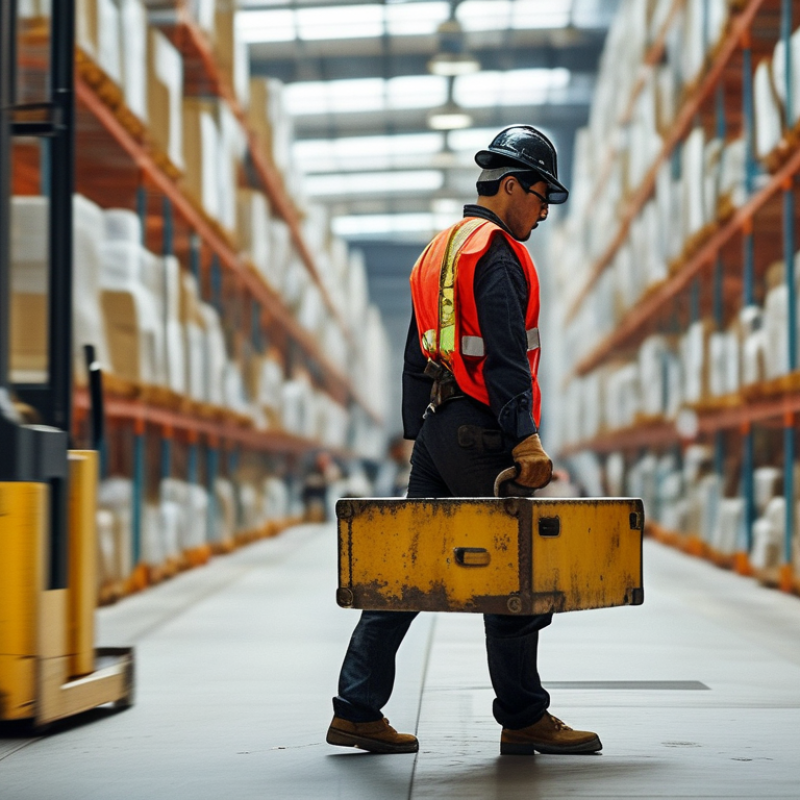
Why Safe Handling of Heavy Loads is Essential for Success?

Importance of Safe Load Handling in Industrial Environments

In industrial environments, safe load handling is crucial. According to the Bureau of Labor Statistics, over 35% of workplace injuries are due to improper handling of heavy loads. These incidents not only result in employee injury but also lead to significant financial losses for companies. Implementing safety measures is essential for maintaining a productive work environment.

One key aspect is training workers on proper lifting techniques. Studies indicate that proper training can reduce injuries by up to 30%. It's vital for employees to understand their physical limits and the correct use of tools like forklifts or hoists. Regular safety audits can identify potential risks and improve handling practices.

Here are some tips to enhance safety while handling heavy loads:

  • - Encourage teamwork during lifting tasks.
  • - Ensure all employees are aware of their surroundings.
  • - Provide easily accessible safety equipment.

Creating an environment focused on safe load handling can lead to increased efficiency and morale. Neglecting safety protocols can result in accidents that impact both workers and the overall business. Regular reviews of safety practices are essential for continuous improvement.

Statistics on Work-Related Injuries from Improper Load Handling

Improper load handling can lead to severe workplace injuries. According to the Occupational Safety and Health Administration (OSHA), manual material handling injuries account for around 34% of all recorded workplace injuries in the U.S. This statistic highlights the critical need for safe practices when dealing with heavy loads. Lifting loads incorrectly can result in sprains, strains, and other debilitating conditions, affecting productivity and increasing healthcare costs.

The National Institute for Occupational Safety and Health (NIOSH) reports that back injuries alone cost businesses billions in lost workdays and medical expenses. In 2019, around 1.7 million workers in the U.S. suffered from musculoskeletal disorders related to improper handling of materials. These injuries often stem from poor lifting techniques or failure to use appropriate equipment. Workers and employers alike must pay attention to these details to prevent costly mistakes.

Training employees in safe lifting techniques can dramatically reduce these injury statistics. Regular workshops and safety assessments contribute to a culture of awareness. However, many organizations still overlook the importance of this training. It’s essential to acknowledge that despite safety protocols, there remains a risk of injury if the proper guidelines are not followed. Continuous improvement and reflection on these practices are vital for safeguarding employees and enhancing operational success.

Best Practices for Safe Handling of Heavy Loads in the Workplace

Heavy loads can be challenging in any workplace. Proper handling reduces the risk of injury and increases efficiency. Workers often underestimate the dangers of lifting and moving heavy objects. This can lead to serious accidents and prolonged downtime.

One essential practice is to assess the load before lifting. Understanding its weight and dimensions helps in planning the move. Using tools like dollies or forklifts can also be beneficial. Training employees in these techniques improves safety. It empowers them to make informed decisions. Regular assessments of lifting equipment ensure they are in good condition.

Communication among team members is crucial during heavy load handling. Clear signals and procedures help prevent accidents. Taking breaks is also important. Fatigue can lead to mistakes and injuries. Encouraging a culture of safety can transform the workplace. Mistakes will happen, but learning from them creates a safer environment for everyone involved.

Economic Impact of Injuries Related to Heavy Load Handling

Handling heavy loads poses significant risks in various work environments. Injuries related to these tasks can lead to severe economic consequences for businesses. For instance, workers' compensation claims can skyrocket, impacting budgets and profits. Additionally, downtime from injuries affects productivity and team morale. When workers are injured, remaining staff often face increased workloads, which can lead to further issues.

Injuries can also affect a company's reputation. A history of workplace accidents can deter potential employees and clients. The overall economic impact is profound. Companies might face legal costs, insurance premium hikes, and loss of skilled labor. Taking proactive steps in training staff can prevent many of these issues. Companies must prioritize safety protocols effectively.

Tips for safe heavy load handling include using proper lifting techniques and always wearing appropriate protective gear. Another essential tip is to assess the load's weight before attempting to lift it. Ensuring team communication during heavy lifts can also prevent accidents. These small adjustments can significantly reduce risks, enhancing overall work safety and productivity. Regular training refreshers are necessary; complacency can lead to dangerous situations.

Training and Compliance Standards for Safe Load Management

Training and compliance standards are vital for managing heavy loads safely. These standards ensure workers understand the risks involved. Effective training equips them with skills to lift, move, and secure loads properly. This reduces accidents and promotes a safer workplace.

A lack of training can lead to poor handling practices. Workers might underestimate the weight or fail to use appropriate gear. This negligence can cause severe injuries or damage. Compliance with established safety protocols helps mitigate these risks. Regular assessments and drills reinforce these practices.

Engagement is key in safety training. Workers should feel encouraged to voice concerns or share experiences. This promotes a culture of safety. Training programs should evolve based on feedback. Inconsistent practices can undermine safety efforts. Continuous improvement is essential for effective load management.

FAQS

: What percentage of workplace injuries are related to manual material handling?

: Manual material handling injuries account for around 34% of all workplace injuries.

What types of injuries are common from improper load handling?

Common injuries include sprains, strains, and other debilitating conditions.

How costly are back injuries for businesses?

Back injuries alone cost businesses billions in lost workdays and healthcare expenses.

How many workers suffered musculoskeletal disorders in 2019 due to improper handling?

Approximately 1.7 million workers faced musculoskeletal disorders related to improper handling.

What is a key method to reduce injuries in the workplace?

Training employees in safe lifting techniques can significantly reduce injury statistics.

What impact do injuries have on employee morale?

Injuries can increase workloads for remaining staff, affecting overall morale negatively.

How can companies improve their safety protocols?

Regular workshops and safety assessments contribute to a culture of safety awareness.

Why is it essential to reflect on safety practices?

Continuous reflection helps recognize shortcomings and enhances overall employee safety.

What should workers do before lifting heavy loads?

Assess the load's weight before attempting to lift it.

What can deter potential employees and clients?

A history of workplace accidents can damage a company's reputation.

Conclusion

The article "Why Safe Handling of Heavy Loads is Essential for Success?" emphasizes the critical need for proper load management in industrial settings. It discusses the importance of safe load handling to prevent work-related injuries, highlighting alarming statistics that reveal the frequency of accidents due to improper techniques. Best practices for how to handle heavy loads safely are outlined, including the use of appropriate equipment and team lifting strategies.

Furthermore, the economic impact of injuries related to heavy load handling is explored, underlining the costs associated with workplace accidents. Training and compliance standards are crucial elements reviewed in the article, which ensure that personnel are adequately prepared to manage heavy loads responsibly. Ultimately, prioritizing safety not only protects workers but also enhances overall productivity and profitability in industrial operations.

Charlotte

Charlotte

Charlotte is a seasoned marketing professional with a deep understanding of the company's portfolio and a passion for elevating its presence in the market. With a keen eye for detail and a commitment to excellence, she ensures that our professional blog is regularly updated with insightful articles......