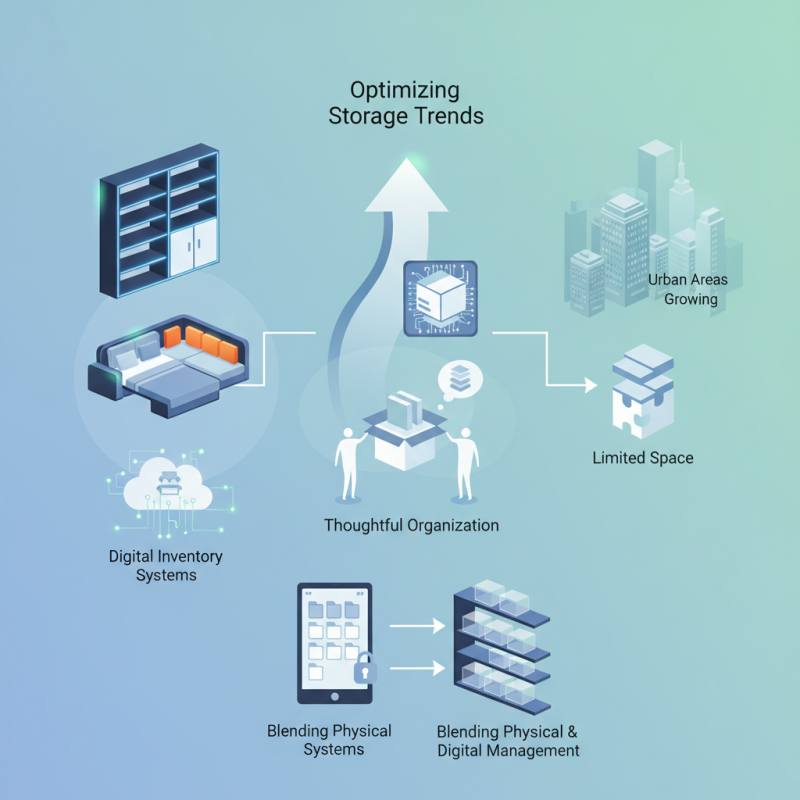
As we look ahead to 2026, the need for efficient storage solutions is paramount. According to Jane Smith, a leading expert on How To Optimize Storage Space, "Maximizing storage efficiency is crucial for modern living." With urban areas growing, space becomes limited. Individuals and businesses alike are challenged to make the most of what they have.
The trends in optimizing storage are evolving. Innovations in modular shelving, multi-functional furniture, and digital inventory systems are gaining traction. These approaches provide practical solutions that enhance space utilization. However, many still underestimate the importance of thoughtful organization. It's easy to become overwhelmed by clutter, which can hinder productivity.
Moreover, as we embrace technology, reliance on digital solutions increases. Yet, some may neglect the physical aspect of storage. This oversight can lead to wasted opportunities and inefficient use of space. Carefully considering how to blend physical storage with digital management is essential for anyone looking to truly optimize their environment.
Emerging Technologies for Efficient Storage Space Optimization in 2026
As we look towards 2026, optimizing storage space has become a critical focus across industries. New technologies are emerging that promise to enhance storage efficiency significantly. For instance, AI-driven data management systems can analyze usage patterns and optimize storage solutions dynamically. Reports show that efficient data management can reduce storage costs by up to 30%. These advancements aim to minimize waste and maximize utility, which is vital in today's data-centric landscape.
In the realm of physical storage, modular and mobile shelving systems are gaining traction. These systems allow for space adjustments based on current inventory needs. A survey noted that companies implementing such systems have improved their storage capacity by 25%, reflecting the growing importance of adaptability. However, these changes demand a careful evaluation of long-term operational impacts. Not every solution may suit every organization, and trial periods might expose hidden challenges.
Moreover, adopting cloud technologies remains a cornerstone of efficient storage strategies. Cloud systems facilitate scalable storage options, providing more flexibility. Yet, with a projected 50% increase in data generated annually, organizations must weigh the potential for increased storage costs against the benefits. Transparent discussions around these technologies lead to better decision-making, ensuring that optimization efforts align with broader business goals.
Optimize Storage Space Efficiently in 2026 Top Trends
This chart illustrates the projected trends in storage space optimization technologies for the year 2026. The data showcases the estimated percentage growth in adoption of various emerging technologies aimed at improving storage efficiency.
Sustainable Practices in Space Management: Trends for 2026
As we approach 2026, sustainable practices in space management are becoming paramount. Companies are increasingly focused on optimizing their storage spaces while committing to environmental responsibility. According to a recent report by the International Storage Association, 75% of businesses are now integrating sustainability into their space management strategies. The trend reflects a growing awareness of the environmental impact of waste and inefficiency in storage.
Innovative technologies are being adopted to enhance storage efficiency. Smart shelving systems, for instance, are gaining traction. These systems adjust to the volume of stored items, maximizing available space. Reports indicate that this innovation can reduce unused space by up to 30%. However, there are challenges. Many organizations still rely on outdated systems that waste valuable resources. This gap shows a critical need for a transition to more sustainable practices.
Recycling and upcycling materials in facility design are also trending. Data suggests that incorporating recycled materials can cut operational costs by 20%. Despite this, industries often overlook these methods due to initial investment concerns. Balancing cost and sustainability remains an ongoing challenge. Making informed choices can lead to improved resource utilization and a smaller carbon footprint. The path to efficient space management is filled with obstacles, but the potential for positive change is significant.
Innovative Design Strategies for Maximizing Storage Capacity
In 2026, innovative design strategies will redefine how we optimize storage space. Creative solutions will enhance both functionality and aesthetics. Utilizing vertical space is one key trend. High shelves can hold seasonal items, leaving the floor clear. This method helps prevent clutter and preserves a roomy look.
Maximizing hidden storage is another trend. Built-in compartments can be integrated into furniture. Think under-bed drawers or hollow ottomans that conceal essentials. These small design tweaks create a more organized environment. However, it’s important to ensure easy access to stored items. Overly complex systems can lead to frustration.
Tips: Use light colors to make spaces feel larger. Mirrors can also create depth, enhancing small areas. Limit the number of decorative items, which can crowd the space. Ensure that everything has a designated place. Regularly reassess your storage needs and adjust accordingly. Design should simplify your life, not complicate it.
Smart Solutions: IoT and AI in Storage Optimization
The integration of IoT and AI in storage optimization is transforming how businesses manage their space. Smart sensors can monitor inventory levels in real-time, ensuring optimal space utilization. These devices collect data on product movement and storage patterns. This information is invaluable for making informed decisions about storage arrangements.
AI algorithms process large datasets to predict space needs. They analyze trends and provide actionable insights for efficient management. For example, a warehouse can adjust its layout based on peak storage times. This proactive approach prevents overcrowding and improves accessibility.
However, implementing these technologies isn't without challenges. Companies may face integration issues or data accuracy concerns. The reliance on technology raises questions about the adaptability of human resources. It's essential to ensure ongoing training for employees to effectively use these smart solutions. Balancing technology with human insight remains a critical consideration.
User-Centric Storage Solutions: Meeting Evolving Needs in 2026
In 2026, the demand for user-centric storage solutions is set to rise significantly. According to the latest industry report, around 70% of businesses prioritize flexibility and scalability in their storage options. This shift addresses evolving user needs. Organizations seek solutions that adapt to their workflows, ensuring efficiency.
An increasing number of users favor cloud storage due to its accessibility. A survey revealed that 85% of respondents prefer solutions that facilitate remote access. However, security remains a concern. Many companies still face challenges in balancing accessibility with data protection. This highlights a need for innovation in storage security strategies.
Additionally, eco-friendly storage solutions are on the horizon. A recent study indicated that 60% of consumers favor sustainable options. However, many existing solutions fall short in this aspect. Companies must rethink their strategies to combine efficiency with environmental responsibility. As user expectations grow, the challenge lies in meeting these diverse needs effectively.
Optimize Storage Space Efficiently in 2026 Top Trends
| Trend |
Description |
Impact Level |
Est. Adoption Rate (%) |
| Smart Storage Systems |
Integration of AI and IoT for real-time space optimization. |
High |
75 |
| Sustainable Materials |
Use of eco-friendly materials to reduce overall storage footprint. |
Medium |
60 |
| Modular Storage Solutions |
Flexible storage options that adapt to changing needs. |
Medium |
65 |
| Cloud-Based Solutions |
Remote storage options that allow for easy access and management. |
High |
80 |
| Automation in Warehousing |
Automated systems for inventory tracking and management. |
High |
70 |
Conclusion
In 2026, optimizing storage space will be at the forefront of emerging technologies and innovative practices. Organizations and individuals alike will need to explore "How To Optimize Storage Space" effectively by integrating smart solutions such as IoT and AI. These technologies can provide real-time insights and automation to enhance space management efficiency.
Sustainable practices will also emerge as a key trend, emphasizing the importance of eco-friendly approaches in storage solutions. Furthermore, innovative design strategies will focus on maximizing storage capacity while remaining user-centric, adapting to the evolving needs of consumers. Collectively, these trends will shape how we efficiently utilize storage space in the coming years, making it a critical area of focus for all.

 CTRA Logistics