In today's fast-paced industrial landscape, minimizing equipment downtime is crucial for enhancing overall efficiency. Experts in the field, such as Dr. John Reynolds, emphasize the importance of proactive maintenance. He once said, "Understanding how to reduce equipment downtime is key to operational success." This insight reflects a growing recognition of the need for strategic planning and consistent upkeep to keep machinery running smoothly.
Integrating predictive maintenance practices can significantly reduce unexpected failures. Implementing real-time monitoring technologies allows for immediate identification of potential issues. However, many companies struggle to apply these solutions effectively, often leading to repeated breakdowns. The complexity of machinery can create blind spots in maintenance strategies, which is a concern that deserves attention.
Incorporating employee training and engagement in maintenance routines can also enhance equipment reliability. Teams that understand the equipment they use are better equipped to spot irregularities. Nevertheless, reliance on human observation can be flawed, prompting a need for continuous improvement. Striking the right balance between technology and human input is essential for mastering how to reduce equipment downtime effectively.
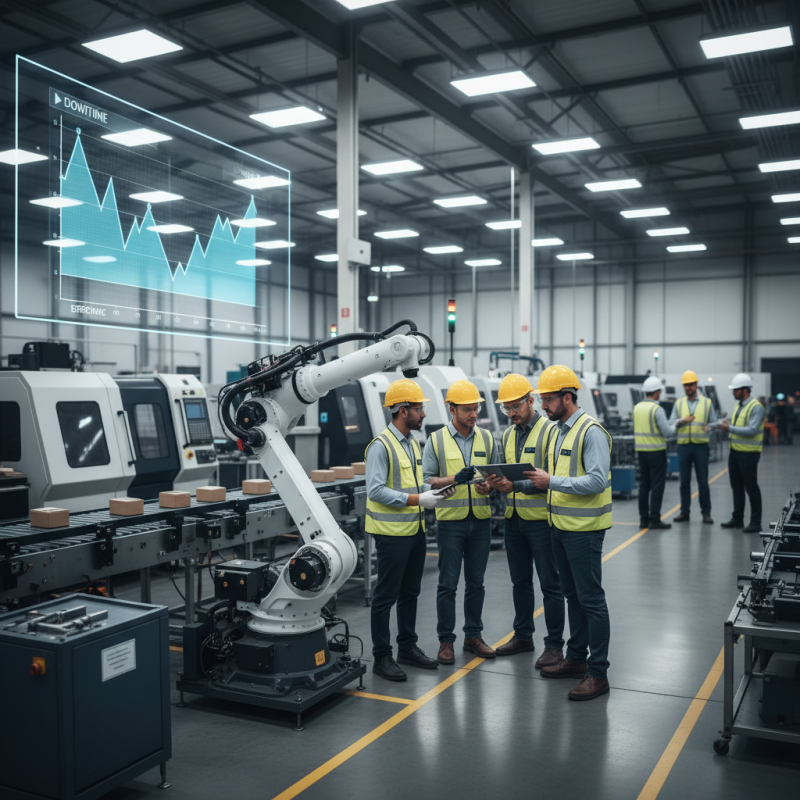
Understanding equipment downtime is crucial for every business focused on efficiency. Equipment downtime refers to the period when machinery or technology is not operational. This can stem from maintenance, failures, or unexpected breakdowns. Each moment of inactivity can lead to lost production and damaged reputations. When machines fail, workflows stall, and employees may lose motivation. The ripple effects can be significant.
Tips: Regular maintenance schedules are crucial. Periodic check-ups can help catch issues before they escalate. Training your staff on basic troubleshooting is also a smart move. Empower them to act swiftly when problems arise. Documenting downtime incidents is essential. This practice allows you to analyze and recognize patterns that lead to inefficiency.
Consider outdated equipment as a potential source of downtime. Aging machines may break down more frequently, incurring higher maintenance costs and longer repair times. Investing in newer technology can enhance reliability and ultimately productivity. However, this decision should be weighed against budget constraints. Balancing cost and efficiency is a challenging but necessary task.
When addressing equipment downtime, understanding its common causes is crucial for improving operational efficiency. Frequent mechanical failures often stem from inadequate maintenance practices. Machines require regular check-ups to ensure smooth functionality. Neglecting these routine tasks can lead to substantial downtime, disrupting workflow and productivity.
Another significant factor is employee training deficits. Workers need proper education to operate machinery effectively. Lack of training can lead to mishandling, causing breakdowns. Regular training sessions can build expertise and create a culture of safety. Additionally, outdated technology might contribute to frequent failures. Investing in modern equipment can streamline operations and minimize unexpected outages.
Sometimes, even minor issues like misplaced tools or poor workspace organization can cause delays. Maintaining an orderly environment enhances efficiency. It's essential to reflect on existing practices and identify areas needing improvement. Engaging employees in discussions about operational challenges can uncover hidden obstacles. This collaborative approach fosters a proactive attitude toward minimizing downtime.
This bar chart illustrates the various causes of equipment downtime and the corresponding hours lost due to each cause. Addressing these common issues can help organizations minimize downtime and improve overall operational efficiency.
Implementing preventive maintenance strategies for equipment is crucial to minimizing downtime. Industry data shows that effective maintenance can lead to a 25% reduction in equipment failures. This allows companies to improve their overall efficiency. By regularly scheduling checks and servicing, organizations can identify potential issues before they escalate.
In a recent study, 70% of businesses reported that preventive maintenance reduced unexpected breakdowns. This reflects a proactive approach rather than a reactive one. Regular inspections can help ensure that all components function correctly. Simple tasks, like lubricating moving parts or replacing worn-out filters, can make a big difference.
However, not all companies prioritize preventive maintenance. Some focus only on urgent repairs. This short-sighted strategy often leads to higher costs in the long run. According to a study by the Reliability Assessment Group, unplanned downtime can be up to five times more expensive than scheduled maintenance. Striking a balance between urgent fixes and preventive measures is essential for long-term success.
Monitoring equipment performance in real time is essential for minimizing downtime. Real-time monitoring leverages sensors and software to track key metrics. These could include temperature, vibration, and operational speed. When equipment shows signs of stress, alerts can prompt immediate inspections. This reduces unexpected failures and keeps production on track.
Many facilities have adopted digital dashboards for instant visibility. Operators can observe equipment health at a glance. This technology unveils patterns in performance data. However, it can be overwhelming to interpret the information effectively. Continuous training is crucial for staff to understand these insights. Without this knowledge, the benefits of real-time data can be lost.
Regular reviews of monitoring systems help refine processes. But, organizations sometimes overlook the human element. It's vital that employees provide feedback. Their experiences can highlight gaps in the monitoring system. Ensuring that technology supports skilled workers creates a balanced approach. Combining technology with human insight drives efficiency.
Creating a culture of continuous improvement is essential for reducing equipment downtime. This culture encourages team members to identify issues proactively. Employees should feel empowered to voice concerns about machine performance. Regular meetings can facilitate open discussions. These forums allow everyone to share observations.
Training programs are vital in fostering this culture. Workers need to understand equipment operations deeply. They must also learn the importance of routine maintenance. Simple checks can prevent significant issues later. However, there's often resistance to these changes. Some team members may be comfortable with current practices. It’s important to address these hesitations openly.
Implementing feedback loops can enhance this culture. After equipment failures, teams should analyze what went wrong. Documenting these incidents creates a learning resource. Moreover, celebrating small wins reinforces positive behavior. Continuous improvement is not automatic; it requires consistent effort and time. Embracing imperfections is key. This journey might require adjustments on both individual and team levels.
: Common causes include inadequate maintenance and employee training deficits. Regular check-ups are essential for smooth functionality.
Proper training helps workers operate machinery effectively. Lack of training can lead to mishandling and breakdowns.
Outdated technology contributes to frequent failures. Investing in new equipment minimizes unexpected outages and enhances efficiency.
Minor issues like misplaced tools can cause delays. An orderly environment significantly enhances operational efficiency.
Preventive maintenance involves regular checks to identify potential issues before they become serious, reducing downtime.
Effective preventive maintenance can result in a 25% reduction in equipment failures, improving overall efficiency.
Tasks include lubricating parts and replacing worn filters. Simple tasks can lead to a significant reduction in breakdowns.
Many focus on urgent repairs, which can be a short-sighted strategy that leads to higher costs over time.
Unplanned downtime can be up to five times more expensive than scheduled maintenance, highlighting the need for balance.
Engaging employees in discussions about challenges reveals hidden obstacles and fosters a proactive attitude toward efficiency.
Minimizing equipment downtime is crucial for improving operational efficiency across various industries. To understand the significant impact of downtime, it's essential to identify common causes that lead to machine failures and delays. By implementing preventive maintenance strategies, organizations can proactively address potential issues before they escalate, thus preventing unexpected breakdowns.
Additionally, leveraging technology to monitor equipment performance in real-time allows for swift responses to irregularities, thereby minimizing disruptions. Cultivating a culture of continuous improvement further supports efforts on how to reduce equipment downtime, as it encourages teams to consistently seek ways to enhance processes and maintain high levels of productivity. By focusing on these strategies, businesses can enhance their operational efficiency and ensure smoother workflows.

CTRA Logistics