How To Improve Warehouse Productivity with Effective Tips?

Time:2026-04-09 Author:Henry
0%

In the fast-paced world of logistics, the question of "How To Improve Warehouse Productivity" stands out. Efficient warehouses are vital for meeting customer demands and driving business growth. However, many facilities struggle with outdated processes and inefficient layouts. This challenge invites a deeper look into practical solutions that can be implemented right away.

Key aspects include organizing inventory, training staff, and utilizing technology. Small changes can yield significant benefits. For example, a reorganized warehouse layout can minimize the time spent searching for items. Yet, many warehouses hesitate to adapt, clinging to familiar but inefficient methods. Reflecting on these practices is essential for progress.

Automation and data analytics also play crucial roles in enhancing productivity. They streamline operations and provide valuable insights into performance. However, without the right training and mindset, even the best technologies might fail to produce results. Embracing change requires a willingness to learn and evolve. Thus, discovering effective tips is not just a goal; it’s an ongoing journey toward excellence.
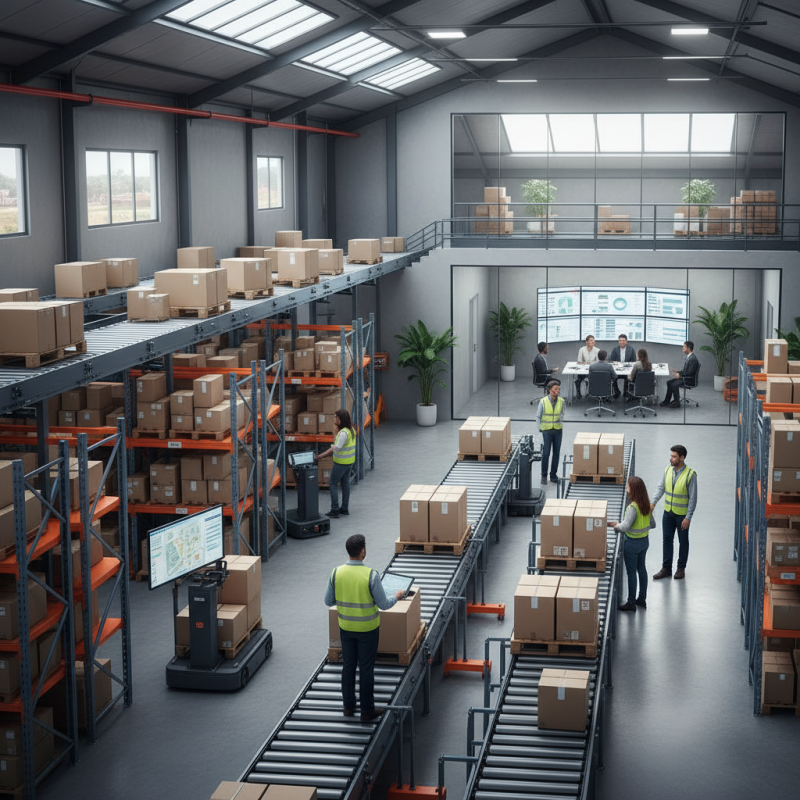
How To Improve Warehouse Productivity with Effective Tips?

Identifying Key Areas for Improvement in Warehouse Productivity

Identifying key areas for improvement in warehouse productivity is crucial in today's competitive landscape. According to a report by the Warehousing Efficiency Institute, optimizing operations can lead to a productivity increase of up to 30%. This emphasizes the need for facility design reassessment. Poor layout often causes unnecessary delays. Streamlining the flow of goods is vital.

One common issue is workforce management. Research indicates that effective labor management boosts productivity by nearly 20%. Investing in employee training can yield significant returns. Properly trained staff work more efficiently. However, many warehouses struggle with high turnover rates. This can undermine efforts even with a great training program. Regularly reviewing employee engagement and satisfaction can highlight areas for improvement.

Furthermore, technology plays a transformative role. A 2022 Logistics Tech Survey found that companies using warehouse management systems (WMS) experienced an average productivity increase of 25%. Yet, adopting new technologies can be daunting. Some employees may resist change, fearing job displacement or increased complexity. Addressing these concerns is essential for successful implementation. Balancing technology with human touch fosters a more adaptable and engaged workforce.

Implementing Advanced Technology for Enhanced Operational Efficiency

Implementing advanced technology in warehouses is crucial for enhancing operational efficiency. Automated systems can streamline processes like inventory tracking and order fulfillment. With real-time data, managers make informed decisions about stock levels. This minimizes delays and errors. The use of mobile devices aids workers in accessing crucial information quickly. It also empowers them to address issues as they arise.

Artificial intelligence (AI) plays a significant role in predicting demand. Properly implemented, AI can analyze customer trends and adjust inventory accordingly. However, reliance on technology requires regular updates and maintenance. Outdated software can create bottlenecks instead of solving them. Continuous training is essential for staff to keep pace with new tools.

Integrating robotics into warehousing can boost productivity. Robots efficiently handle repetitive tasks, allowing human workers to focus on more complex operations. Yet, this transition isn’t seamless. Employee resistance to automation can arise from fear of job loss. Open communication about the benefits of technology is necessary. Balancing tech implementation with human resources is critical for sustained success.

Streamlining Inventory Management Practices for Better Workflow

Effective inventory management practices are crucial for enhancing warehouse productivity. Streamlining these processes can drastically reduce time spent on locating items and managing stock levels. Begin by organizing inventory into logical categories. This method simplifies finding products and tracking their movements. Use clear labeling to identify items easily, which aids in quick retrieval.

Consider implementing a digital inventory management system. Such tools can automate stock tracking and simplify reorder processes. This minimizes human error and saves valuable time. Regular audits of stock ensure the accuracy of inventory data. However, many warehouses overlook this aspect. Ignoring it can lead to excess stock or stockouts, hampering efficiency.

Training staff on best practices in inventory management is essential. Empowering them with knowledge enhances their ability to adapt to changes. Encourage them to share feedback on the inventory process. This can highlight areas needing improvement. Continuous reflection on current practices is vital for maintaining productivity and adjusting to new challenges.

Training and Empowering Staff to Maximize Performance Levels

Training and empowering staff is crucial for enhancing warehouse productivity. Engaged employees often show higher performance levels. To achieve this, practical and relevant training programs are essential. Workshops can focus on skills like inventory management and order picking. This targeted approach ensures that staff feel competent and valued in their roles.

Empowerment also plays a vital part. Allowing staff to make decisions can lead to better efficiency. Encourage them to share ideas about processes. Regular feedback loops create a culture of continuous improvement. Yet, not every initiative will succeed. Some employees might resist new methods, leading to frustration. Addressing these barriers is important for overall progress.

Additionally, investing in tools can support staff efforts. Technology simplifies tasks, yet it can confuse some employees. Ensure staff receive comprehensive training on any new systems. When workers feel equipped, they contribute more effectively. Keeping an open dialogue about challenges can lead to better solutions. With patience and adaptability, performance levels can significantly improve.

Measuring and Analyzing Productivity Metrics for Continuous Growth

Measuring productivity in warehouses requires a comprehensive approach. Key performance indicators (KPIs) such as order picking accuracy and inventory turnover rate are crucial. According to a report by the Warehousing Education and Research Council, improving inventory turnover can boost overall efficiency by up to 20%. High turnover rates indicate effective inventory management, which is a clear sign of productivity growth.

Analyzing productivity metrics is not just about numbers. It involves understanding patterns and identifying areas for improvement. In a typical warehouse, picking efficiency can vary significantly. Data shows that the average order picker performs around 50 lines per hour. However, top performers can achieve 100 lines. This disparity highlights the need for training and process optimization. Regular assessments can help pinpoint inefficiencies.

Implementing technology is also vital. Automated systems can increase speed and accuracy, but they require initial investment. A 2023 industry report found that automation can lead to a 30% reduction in labor costs over time. However, companies must ensure proper integration. Relying solely on technology without staff involvement can lead to operational gaps. Constant evaluations help maintain a balance between automation and human input, driving sustainable productivity.

Warehouse Productivity Metrics

This chart shows the productivity metrics in a warehouse over a span of six months. The metrics include items picked per hour, order accuracy, and on-time shipments. By analyzing these metrics, warehouses can identify areas for improvement and optimize their operations.

FAQS

: Why is advanced technology important in warehouses?

: It enhances operational efficiency by streamlining inventory tracking and order fulfillment processes.

How can real-time data benefit warehouse managers?

Managers can make informed decisions about stock levels, minimizing delays and reducing errors.

What role does AI play in warehousing?

AI predicts demand by analyzing customer trends and adjusting inventory, improving efficiency overall.

Why is continuous training necessary for staff?

It helps employees keep pace with new tools, ensuring smooth operation and reducing errors.

What are the benefits of integrating robotics into warehouses?

Robotics boosts productivity by handling repetitive tasks, allowing humans to focus on complex operations.

How can employee resistance to automation be addressed?

Open communication about the benefits of technology is essential to alleviate fears and encourage acceptance.

What should be considered when measuring productivity?

Use key performance indicators, like order picking accuracy, to identify areas for improvement and growth.

How can investment in training affect staff performance?

Comprehensive training equips staff, leading to increased confidence and more effective contributions.

What challenges may arise when implementing new technology?

Some employees may feel confused, requiring clear guidance and support for successful adaptation.

Why is balancing automation with human input critical?

Relying solely on technology can create operational gaps. Continuous evaluations maintain effectiveness.

Conclusion

Improving warehouse productivity is essential for any business looking to enhance efficiency and profitability. The article titled "How To Improve Warehouse Productivity" outlines several effective strategies. Firstly, it emphasizes the importance of identifying key areas that require improvement, which could significantly streamline operations. Implementing advanced technology can further enhance operational efficiency by automating repetitive tasks and improving accuracy.

Moreover, optimizing inventory management practices is crucial for maintaining a smooth workflow, ensuring that products are easily accessible and minimizing delays. Training and empowering staff plays a vital role as well; well-trained employees are more capable of executing their tasks effectively. Lastly, measuring and analyzing productivity metrics allows businesses to track growth and identify areas for continuous improvement. By focusing on these strategies, organizations can make substantial progress toward enhancing their warehouse productivity.

Henry

Henry

Henry is a dedicated marketing professional with a profound expertise in the company's offerings. With years of experience in the industry, he possesses an impressive understanding of the market dynamics and consumer behaviors that drive success. Henry is committed to sharing his insights through......