How To Improve Picking Efficiency in Your Supply Chain?

Time:2026-06-07 Author:Henry
0%

In today's competitive supply chain landscape, optimizing picking efficiency is essential. Many businesses face challenges in managing their warehouse operations. This can lead to delays, errors, and increased costs. Organizations must explore effective strategies to enhance their workflow.

How to improve picking efficiency is not just about technology. It requires an understanding of human factors too. Employees often experience fatigue, leading to mistakes. Investing in training can empower staff and boost morale. Using ergonomic tools can minimize physical strain.

A keen focus on processes is crucial. Could it be that a lack of organization is hindering performance? Streamlining layouts may eliminate unnecessary movements. Regular audits and feedback loops encourage continuous improvement. Ultimately, enhancing picking efficiency transforms supply chain operations, delivering more reliable service to customers.
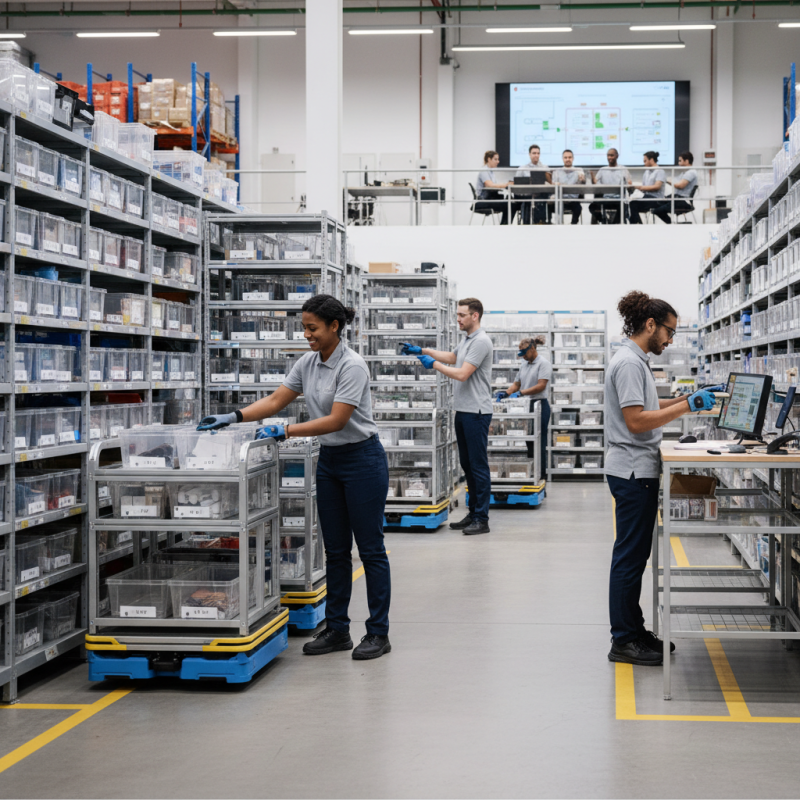
How To Improve Picking Efficiency in Your Supply Chain?

Strategies for Analyzing Current Picking Processes in Supply Chain

Analyzing current picking processes is crucial for improving efficiency in the supply chain. According to the 2022 Warehouse Performance Index, 70% of warehouses struggle with order picking accuracy. Identifying bottlenecks can help address these issues. Start by mapping out the picking workflow from start to finish. This will highlight slow areas or repeated tasks. A detailed analysis can reveal that often, employees are spending too much time navigating the layout.

Utilize data analytics to track picking times across various orders. This allows you to pinpoint inefficiencies. For example, a study from the Journal of Supply Chain Management indicates that optimizing item locations can decrease picking times by up to 25%. Implementing a more logical layout based on order frequency can significantly impact overall performance.

Tip: Regularly review your picking metrics. Not all processes may need drastic changes, but small tweaks can make a big difference. Create a feedback loop with your staff. They can provide insights into practical challenges and potential improvements. Engaging with your team can lead to surprising solutions that data alone might overlook.

Implementing Technology Solutions for Optimized Picking Efficiency

As industries evolve, enhancing picking efficiency within supply chains becomes essential. Implementing technology solutions can lead to significant improvements. According to a report by Gartner, investing in automation can boost order picking accuracy by up to 30%. This not only reduces errors but also speeds up the overall process.

Technologies such as RFID and voice recognition systems streamline operations. These tools provide real-time tracking and efficient communication. A study from McKinsey highlights that warehouses using automation see a decrease in picking time by about 15-20%. However, integrating these technologies requires careful planning and training to avoid disruptions. Companies may face challenges in adapting to new systems or overcoming employee resistance.

Additionally, it is crucial to evaluate the effectiveness of these solutions continuously. Data analytics can identify bottlenecks and inefficiencies. Adopting a cyclical approach to assessment ensures that the implemented technologies remain relevant and effective. Businesses must remain open to adjustments, as the tech landscape constantly evolves.

How To Improve Picking Efficiency in Your Supply Chain? - Implementing Technology Solutions for Optimized Picking Efficiency

Technology Solution Description Expected Impact on Picking Efficiency Implementation Cost
Warehouse Management System (WMS) Software that controls and manages warehouse operations. Increase picking speed by 20-30%. $50,000 - $200,000
Automated Storage and Retrieval Systems (AS/RS) Automated systems for storing and retrieving products. Reduce picking errors by 50%. $300,000 - $1,000,000
Voice-Directed Picking Utilizes voice commands to direct workers in the picking process. Improves accuracy and speed by 10-20%. $50,000 - $150,000
Mobile Optimization Using mobile devices for real-time inventory management. Increase productivity by 15-25%. $10,000 - $30,000
Barcode Scanners Device for scanning barcodes for tracking and inventory. Reduces processing time by 30%. $5,000 - $15,000

Training and Empowering Staff for Enhanced Productivity in Warehousing

Training and empowering staff is crucial for enhancing productivity in warehousing. A well-trained workforce can significantly boost picking efficiency. Staff should understand the layout of the warehouse thoroughly. Regular training sessions can help them navigate the space faster. When employees know their tools and processes well, mistakes reduce. This clarity leads to quicker order fulfillment.

Employee empowerment also plays a key role. When staff feel valued, their motivation increases. Allow them to suggest improvements in workflow. Implementing their feedback can lead to practical changes. However, not all suggestions will work perfectly. It’s essential to assess feedback critically and adapt. Sometimes, ideas may require refinement before implementation.

Feedback loops are equally important. Set aside time for employees to discuss challenges. This practice fosters a culture of continuous improvement. It also strengthens the team’s bond. Moreover, recognition for efficient work can boost morale. Even small acknowledgments can motivate staff. While challenges in the training process may arise, addressing them proactively can yield better results in the long run.

Improving Picking Efficiency in the Supply Chain

This chart illustrates the factors affecting picking efficiency in warehousing, evaluating the impact of training and empowering staff on productivity.

Designing Effective Warehouse Layouts to Minimize Picking Time

Designing an effective warehouse layout is crucial for improving picking efficiency in supply chains. Ideally, the layout should streamline the picking process. Placing frequently picked items closer to the packing and shipping areas can save time. For instance, zone picking often works well. Each zone holds specific products, allowing pickers to focus and reduce travel time. But this system isn’t always foolproof. Over time, some items may become obsolete or slow-moving, which requires regular assessments.

Consider implementing a combination of methods, such as batch picking or wave picking. While these approaches can enhance efficiency, they may not suit every operation. Each warehouse is unique. You might also find that certain picker routes create congestion. Regularly evaluating these routes can lead to adjustments that improve overall flow. Lighting plays a role too. It affects not just visibility but also worker morale. A well-lit, organized warehouse can make picking more pleasant and efficient.

Reflect on the technology you use. Automated systems can support picking but sometimes introduce complexity. Workers may need training to adapt to new tech. Balancing automation with traditional methods can create a flexible environment, but it requires thoughtful planning. Be mindful of the evolving needs of your products and personnel. Continuous improvement should be the goal for any warehouse layout strategy.

Monitoring and Adjusting Picking Metrics for Continuous Improvement

Monitoring and adjusting picking metrics is crucial for enhancing supply chain efficiency. According to a report by the Warehousing Education and Research Council, a 10% improvement in picking accuracy can lead to significant cost savings. This highlights the importance of continuous evaluation. Real-time data on picking speeds and order accuracy can identify areas needing attention.

Using Key Performance Indicators (KPIs) is vital. Metrics such as pick rate, order cycle time, and inventory turnover provide actionable insights. For example, the median peak pick rate in warehouses is around 25–30 lines per hour. However, many facilities struggle to reach these numbers consistently. Understanding how to leverage these metrics can foster a culture of improvement.

Continuous monitoring encourages proactive adjustments. In a recent study, 35% of supply chain professionals reported that inadequate tracking negatively impacted their performance. Regularly analyzing data helps pinpoint inefficiencies. It can also reveal unexpected trends. This kind of insight drives better decision-making and operational strategies. Effective picking metrics lead to happier customers and more sustainable practices.

FAQS

: Why is enhancing picking efficiency important in supply chains?

: Enhancing picking efficiency reduces errors and speeds up order fulfillment, boosting overall productivity.

How can technology improve order picking accuracy?

Investing in automation can increase accuracy by up to 30%, leading to fewer mistakes.

What is one benefit of using RFID and voice recognition systems?

These tools provide real-time tracking, streamlining operations within the warehouse.

What challenges may arise when integrating new technologies?

Companies may face employee resistance and difficulty adapting to new systems during integration.

How does continuous evaluation of implemented technology help businesses?

Regular assessments identify inefficiencies and ensure the technology remains effective and relevant.

Why is staff training essential in warehousing?

A well-trained workforce navigates the warehouse efficiently, reducing mistakes and speeding up order fulfillment.

How can employee empowerment improve productivity?

When employees feel valued, their motivation increases, leading to practical workflow improvements.

What role do feedback loops play in staff productivity?

They create opportunities for discussing challenges, fostering a culture of continuous improvement.

How can monitoring picking metrics lead to cost savings?

A 10% improvement in picking accuracy can significantly reduce operational costs.

What is a common struggle for many warehouses regarding picking rates?

Many facilities find it challenging to consistently achieve the median peak pick rate of 25–30 lines per hour.

Conclusion

In the quest to enhance productivity in supply chain management, understanding "How To Improve Picking Efficiency" is crucial. The first step involves analyzing current picking processes to identify bottlenecks and inefficiencies. Companies can then implement technology solutions, such as automated picking systems, to streamline operations. Additionally, investing in staff training and empowerment is essential, as knowledgeable employees can significantly boost warehouse productivity.

Another critical factor is the design of the warehouse layout. By organizing storage systems effectively, businesses can minimize picking time and reduce travel distances within the warehouse. Lastly, continuous monitoring of picking metrics allows organizations to adjust strategies proactively, ensuring ongoing improvements in efficiency. Adopting these strategies collectively contributes to a more responsive and efficient supply chain.

Henry

Henry

Henry is a dedicated marketing professional with a profound expertise in the company's offerings. With years of experience in the industry, he possesses an impressive understanding of the market dynamics and consumer behaviors that drive success. Henry is committed to sharing his insights through......