How to Improve Warehouse Sustainability Practices

Time:2026-10-25 Author:Aria
0%

Warehouses rarely resemble environmental projects. They contain concrete floors, tall racks, loading docks, forklifts, and thousands of daily movements. Yet each movement uses energy, creates emissions, or generates waste. Warehouse Sustainability Practices help managers examine these impacts with practical discipline. The goal is not to make impressive promises. It is to reduce measurable waste while protecting safety, productivity, and service quality.

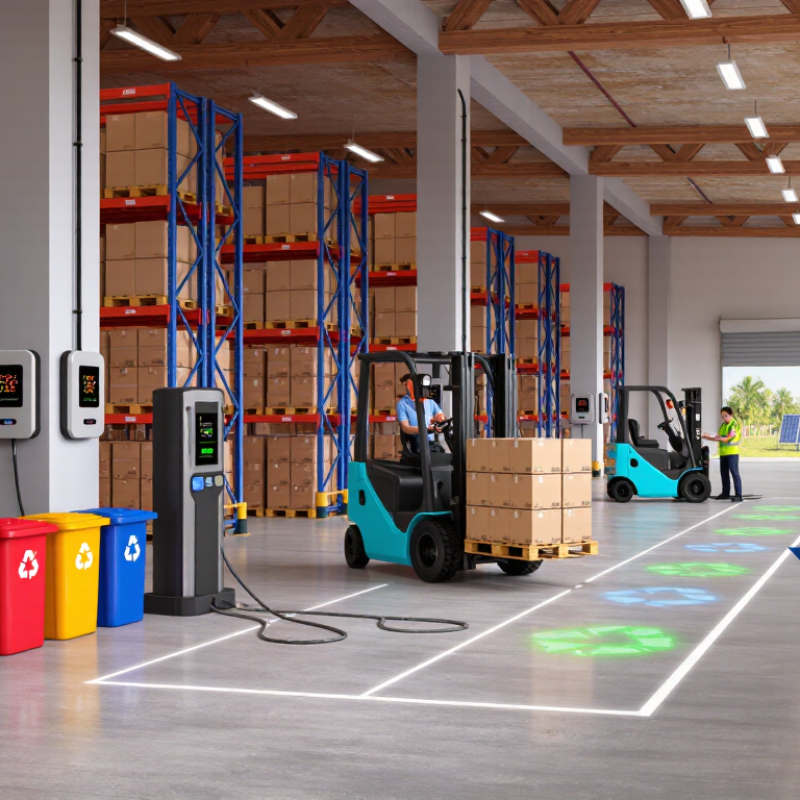
A stronger approach begins with reliable information. Managers can review electricity bills, fuel consumption, packaging volumes, water use, and equipment-maintenance records. Submeters may reveal that one refrigeration zone consumes disproportionate energy. Motion sensors can reduce lighting in quiet aisles. Electric forklifts may lower local emissions, but their batteries still require responsible charging and replacement planning. Reusable pallets, right-sized cartons, and clearly marked recycling stations can also reduce material loss. Small changes matter.

Not every solution works everywhere. A solar installation may be unsuitable for an aging roof. New automation may increase energy use when order volumes remain low. Managers should test improvements through limited pilots, then compare results against baseline data. Employee feedback is equally important because operators notice blocked recycling bins, leaking dock doors, and inefficient routes first. Their experience can expose weaknesses that spreadsheets miss.

Progress may be uneven. That is normal. A warehouse can improve lighting while still wasting heat through open doors. Sustainability claims should therefore remain specific, transparent, and supported by records. This guide explores practical Warehouse Sustainability Practices that balance environmental responsibility with operational reality. It also questions convenient assumptions, because credible improvement requires measurement, patience, and occasional revision.
How to Improve Warehouse Sustainability Practices

Assessing Current Warehouse Sustainability Performance

Assessing current warehouse sustainability performance requires more than checking monthly electricity bills. A reliable review begins with measured evidence from the building, equipment, and daily routines. Record electricity, fuel, water, packaging, and waste data for at least three months. Then compare usage with orders processed, storage area, and operating hours. This creates fairer performance indicators.

Walk through the facility during a normal shift. Look for loading doors left open, lights burning in empty aisles, leaking taps, and damaged packaging. Check meter readings against invoices. Small differences can reveal inaccurate estimates. In one assessment, a team focused on lighting but overlooked idling vehicles near the loading dock. That finding changed the improvement plan. Not every result will be clean.

Tips: Create a simple baseline spreadsheet. Assign one person to verify each figure. Photograph meters monthly. Separate recyclable materials from general waste. Ask workers where energy and materials are wasted; they often notice problems managers miss. Review safety and environmental records together. A lower energy figure is not meaningful if it results from unsafe working conditions or poor product handling.

Use practical metrics, such as kilowatt-hours per order, water use per employee, waste diversion rate, and average packaging weight. Set a review date every quarter. Investigate unusual changes instead of explaining them away. Some data may remain incomplete, especially for shared utilities or outsourced transport. Record those limitations openly. Honest gaps are more useful than precise-looking numbers without evidence.

Reducing Energy and Water Consumption

Warehouse sustainability begins with energy measurement, not slogans. The 2023 Global Status Report for Buildings and Construction states that buildings consume about 30% of global final energy. Warehouses can reduce demand through LED lighting, occupancy sensors, and daylight controls. Install sensors near aisles, loading bays, and rarely used storage zones. Keep lights off when no one is present.

Small changes matter.

Dock doors should close quickly after pallet movement. Sealing gaps also reduces heat loss and protects indoor air quality. Heating, ventilation, and cooling systems need scheduled maintenance, clean filters, and realistic temperature settings. Submeters can separate lighting, refrigeration, charging equipment, and HVAC use. Without this detail, managers may celebrate lower bills without knowing why consumption changed. The U.S. Environmental Protection Agency estimates that household and commercial leaks waste nearly one trillion gallons of water annually in the United States. Warehouses should inspect toilets, hoses, cooling systems, and sprinkler components each month. Flow meters can identify unusual night-time consumption.

Water reuse may support vehicle washing or landscape irrigation, but local regulations must guide every installation. Rainwater systems also require safe storage and regular testing. A practical weakness is that many efficiency plans ignore worker routines. A sensor may switch lights off while someone is picking inventory. Another may fail under dust. Review these problems openly, then adjust settings using measured results rather than assumptions. Metrics should include energy and water per shipped unit, not only total consumption. Seasonal demand can otherwise make a weak project appear successful.

How to Improve Warehouse Sustainability Practices

Typical energy and water reduction potential from commonly adopted warehouse efficiency measures.

The chart shows the midpoint of commonly reported savings ranges. Actual results depend on building size, operating hours, equipment condition, climate, and implementation quality. LED lighting, controls, HVAC optimization, efficient fixtures, leak detection, and rainwater reuse can reduce resource consumption while supporting lower operating costs.

Reference basis: U.S. Department of Energy energy-efficiency guidance and U.S. EPA WaterSense efficiency benchmarks. Values are representative industry ranges, not company-specific data.

Improving Material Use and Waste Management

Warehouse sustainability often begins with a simple question: what enters the building, and where does it go?

A practical material audit should track cartons, plastic film, pallets, labels, and damaged goods. The U.S. Environmental Protection Agency reported 82.2 million tons of containers and packaging in the municipal waste stream in 2018. Only 53.9% was recycled. These figures show why purchasing decisions matter before waste reaches a sorting area.

Standardizing carton sizes can reduce empty space and filler material. Reusable totes may also replace single-use boxes between nearby facilities. However, they need return routes, cleaning controls, and accurate loss tracking.

Small changes become visible on the warehouse floor. Place clearly marked collection bins beside packing stations, not across the aisle. Keep cardboard dry and remove tape before baling when local facilities require it. Measure waste per order each week.

Eurostat reported 188.7 kilograms of packaging waste per person in the European Union in 2021. Warehouse teams can respond by setting material-use targets per shipment, rather than chasing recycling rates alone.

Our first audit was uncomfortable. We discovered that rushed picking caused avoidable repacking. We also ordered too many carton sizes “for flexibility.” That decision created clutter and hidden cost.

The data is not perfect; damaged inventory and supplier packaging are sometimes recorded differently.

Still, a basic spreadsheet, weighing scale, and monthly review can expose useful patterns. Progress may look ordinary: fewer half-empty cartons, cleaner film streams, and pallets repaired instead of discarded.

Adopting Sustainable Transportation and Inventory Practices

How to Improve Warehouse Sustainability Practices

Adopting Sustainable Transportation and Inventory Practices

Warehouse sustainability often begins beyond the loading dock. Transportation choices can reduce fuel use, congestion, and unnecessary handling. Consolidate compatible orders before dispatching vehicles. Better load planning can prevent half-empty trucks from leaving each morning. Route software helps, but experienced dispatchers still catch local problems. A blocked road or narrow delivery window can change the best route. Regular vehicle maintenance also matters. Underinflated tires, delayed servicing, and excessive idling quietly increase emissions. In practice, a short driver checklist can reveal these losses.

Inventory decisions influence transportation more than many teams expect. Accurate stock records reduce emergency deliveries and repeated replenishment trips. Set reorder points using demand patterns, lead times, and seasonal changes. Keep fast-moving products near packing areas. This reduces forklift travel and electricity consumption. Smaller safety stocks may lower storage energy, but aggressive reductions can create shortages. That approach needs caution. I have seen teams reduce inventory successfully, then struggle when demand changed suddenly. A flexible review process is safer than a fixed target.

Measure progress with practical indicators. Track delivery distance, vehicle utilization, fuel consumption, damaged goods, and inventory accuracy. Compare results monthly, not only during annual reviews. Involve drivers, pickers, and inventory staff because they notice daily waste first. Some improvements may cost more initially, especially cleaner vehicles or upgraded systems. That is an uncomfortable reality. Test changes in one route or storage zone before expanding them. Record what failed, why it failed, and what the team will adjust next.

Measuring Progress and Maintaining Continuous Improvement

Sustainable warehouse improvement starts with a trustworthy baseline. In practice, teams should record electricity use, water consumption, packaging weight, fuel use, and waste by month. Measure intensity, not only totals. Energy per shipped order reveals whether growth is hiding inefficiency. A simple spreadsheet can work when entries are dated, checked, and assigned to named owners. During a site review, I compare meter readings with invoices and operating hours. Small mismatches matter. They often expose missing shifts or faulty assumptions.

Progress needs visible measures and a fixed review rhythm. A monthly dashboard might track kilowatt-hours per order, recycling rate, damaged-goods percentage, and average travel distance inside the building. Managers should investigate unusual changes rather than celebrate every improvement. A lower waste figure may reflect poor recording, not better sorting. Short floor walks add context to the numbers. Ask workers where lights remain on, which bins overflow, and why pallets wait in staging areas. Their answers often reveal practical causes that reports miss. Good records build credibility.

Continuous improvement works best through small, tested adjustments. Change one process, such as consolidating replenishment trips, then compare four weeks of data against the baseline. Document the expected benefit, actual result, and unintended effect. Some trials will fail. That is useful evidence, if teams record why. Review targets quarterly and reset them when conditions change, but never erase disappointing results. Independent checks, clear procedures, and staff training make measurements more reliable. A missed target should trigger a question, not a quick excuse. Keep the lesson visible near the daily work.

How to Improve Warehouse Sustainability Practices - Measuring Progress and Maintaining Continuous Improvement

Warehouse sustainability KPI framework for consistent measurement, review, corrective action, and continuous improvement

Sustainability Dimension KPI Definition and Calculation Unit Data Source Review Frequency Continuous-Improvement Trigger
Energy Total electricity consumption Total electricity purchased and generated on site during the reporting period. kWh Utility bills, submeters, energy-management system Monthly Investigate when consumption rises after adjusting for operating hours, floor area, weather, or throughput.
Energy Energy intensity Total warehouse energy consumption divided by a consistent activity measure such as orders processed, units handled, or floor area. kWh/order, kWh/unit, or kWh/m² Utility data and warehouse-management system Monthly Launch a root-cause review when intensity exceeds the rolling three-month average.
Greenhouse Gas Emissions Location-based Scope 2 emissions Purchased electricity multiplied by the applicable grid-emission factor for the warehouse location. kg CO₂e or t CO₂e Metered electricity data and current national or regional emission factors Monthly or quarterly Recalculate after changes in electricity use, grid factors, renewable procurement, or operating boundaries.
Renewable Energy Renewable electricity share Eligible renewable electricity consumed divided by total electricity consumption, multiplied by 100. % Utility records, renewable-energy certificates, power-purchase documentation Quarterly Review if renewable claims cannot be matched to consumption periods and contractual evidence.
Waste Waste diversion rate Waste reused, recycled, composted, or recovered divided by total waste generated, multiplied by 100. % Waste-hauler weight tickets, internal weighing records Monthly Investigate contamination, unidentified waste streams, or declining diversion performance.
Packaging Packaging material intensity Mass of packaging materials used divided by the number of orders, shipments, or units dispatched. g/order, g/shipment, or g/unit Packaging purchase records, material specifications, shipment data Monthly Review packaging specifications when material use increases without a corresponding increase in shipment volume.
Water Water consumption intensity Total water withdrawn or supplied to the facility divided by floor area, operating hours, or throughput. m³/m², m³/hour, or L/order Water bills, submeters, maintenance records Monthly Inspect for leaks or abnormal use when consumption increases after normalization.
Transportation Inbound and outbound transport emissions Transport activity data multiplied by the appropriate fuel- or distance-based emission factor. kg CO₂e/shipment or t CO₂e Carrier fuel data, distance records, shipment-management system Monthly or quarterly Review route planning, load utilization, delivery frequency, and transport-mode selection.
Material Handling Electric material-handling equipment share Number of electric forklifts, pallet trucks, or other electric vehicles divided by total powered material-handling equipment. % Asset register, charging records, maintenance system Quarterly Assess replacement options when equipment reaches end of life or fuel-related maintenance rises.
Building Operations Preventive-maintenance completion rate Completed planned sustainability-related maintenance tasks divided by scheduled tasks, multiplied by 100. % Computerized maintenance-management system and inspection records Monthly Escalate overdue inspections involving lighting, HVAC, refrigeration, leaks, or energy controls.
People and Governance Sustainability training completion Employees completing required warehouse sustainability training divided by employees assigned the training. % Learning-management system and employee records Monthly or quarterly Assign refresher training when procedures change or completion falls below the internal requirement.
Continuous Improvement Corrective-action closure rate Verified sustainability corrective actions closed by the due date divided by total corrective actions due. % Audit findings, action-tracking system, management-review records Monthly Escalate overdue actions and reassess root cause when the same issue recurs.
Measurement note: Use consistent organizational boundaries, reporting periods, activity denominators, emission factors, and data-quality checks. Compare normalized performance over time rather than relying only on absolute totals.

FAQS

How can a warehouse reduce electricity use?

Install LED lights, occupancy sensors, and daylight controls near aisles and loading bays. Keep lights off in empty zones. Small changes matter. Review sensor settings when workers report dark picking areas.

What should managers check around dock doors?

Dock doors should close quickly after pallet movement. Seal gaps to reduce heat loss and protect indoor air quality. A door left open for minutes can waste noticeable energy.

How can a warehouse track energy more accurately?

Use submeters for lighting, refrigeration, charging equipment, and climate systems. Track energy per shipped unit, not only monthly bills. Lower costs do not always mean better efficiency.

How can warehouses reduce unnecessary water consumption?

Inspect toilets, hoses, cooling systems, and sprinkler components every month. Flow meters can reveal unusual night-time consumption. Fix small leaks early. They grow quietly.

Is water reuse suitable for warehouse operations?

Reused water may support vehicle washing or landscape irrigation. Safe storage and regular testing are essential. Local requirements must guide every installation. The plan may still need revision.

How can transportation become more sustainable?

Consolidate compatible orders before dispatching vehicles. Improve load planning to avoid half-empty trucks. Maintain vehicles, check tire pressure, and reduce unnecessary idling. Route software helps, but local knowledge remains important.

How do inventory decisions affect sustainability?

Accurate stock records can reduce emergency deliveries and repeated replenishment trips. Place fast-moving products near packing areas. This shortens forklift travel and electricity use. Lower safety stock can help, but shortages remain possible.

Which measurements show real warehouse progress?

Track energy, water, fuel, packaging weight, waste, travel distance, and damaged goods. Compare monthly results with a reliable baseline. Use short floor walks to verify the numbers. Some trials will fail. Record why.

Conclusion

Improving Warehouse Sustainability Practices begins with a clear assessment of current operations. Warehouses should review energy and water consumption, equipment efficiency, lighting systems, waste volumes, and resource-use patterns to identify the greatest opportunities for improvement. Practical measures may include using energy-efficient lighting, optimizing heating and cooling, repairing water leaks, and introducing monitoring systems that help reduce unnecessary consumption. Better material planning, reusable packaging, recycling programs, and careful handling of damaged goods can also minimize waste and operating costs.

Sustainability should extend beyond the warehouse itself. Efficient transportation planning, consolidated deliveries, lower-emission vehicle options, and improved inventory accuracy can reduce fuel use, excess storage, and product obsolescence. To maintain progress, organizations should establish measurable goals, track performance through indicators such as energy use per shipment and recycling rates, and regularly review results. Employee training and continuous improvement programs can encourage practical ideas, strengthen accountability, and ensure that sustainability remains an ongoing part of warehouse management.

Aria

Aria

Aria is a dedicated marketing professional with a deep passion for innovative strategies and a keen understanding of our company's product offerings. With a wealth of experience in the industry, Aria excels at crafting engaging content that highlights the unique features and benefits of our......