As the demand for sustainable practices grows, "Energy Efficient Warehouse Solutions" have become critical for businesses worldwide. According to Dr. Li Wei, a renowned expert in energy management, “The future of warehousing lies in efficiency and sustainability.” His insight emphasizes the urgent need for global buyers to consider energy-saving solutions when selecting warehouses in China.
With China leading the charge in energy efficiency, warehouse operators are innovating to decrease waste and improve performance. Implementing LED lighting, advanced insulation, and automated systems can significantly reduce energy consumption. Yet, some companies struggle to fully embrace these changes. The transition is not always easy, and many must reassess their existing practices to improve.
Buyers must navigate these advancements carefully. Understanding the specific solutions available can be complex. Vendors vary in their offerings, often leading to confusion. Clear communication and collaboration with suppliers will be crucial. Ultimately, investing in Energy Efficient Warehouse Solutions is not just about compliance; it’s about future-proofing operations in a competitive global market.
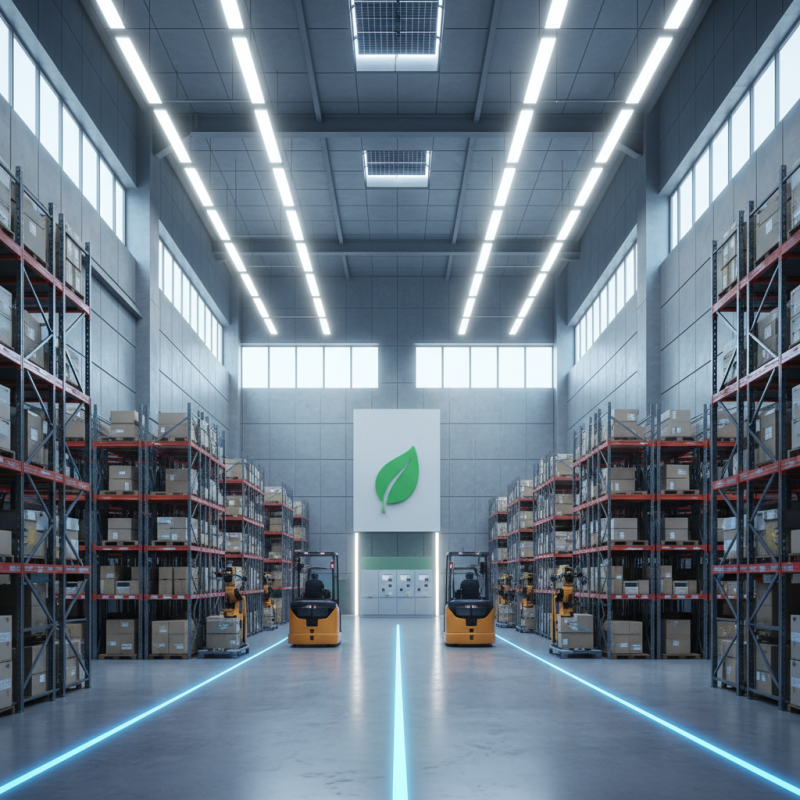
Top Energy Efficient Warehouse Solutions in China for Global Buyers
Energy efficiency is a critical concern for warehouses in China. Global buyers increasingly seek solutions that reduce energy consumption while enhancing operational efficiency. Many farms and distribution centers now prioritize sustainable practices. This shift reflects a growing awareness of climate impact.
Tips: Consider using LED lighting. It consumes less energy and lasts longer. Also, install smart HVAC systems to optimize heating and cooling. These upgrades can significantly cut energy costs.
Investing in renewable energy sources, like solar panels, is another effective strategy. This can lead to long-term savings. However, the upfront costs might be daunting for some operations. Buyers should assess their long-term financial goals against immediate expenses.
Hints: Insulation materials also play a vital role. Proper insulation reduces heating demands in winter. Most facilities neglect this important aspect. Reflect on your current insulation and its effectiveness.
Overview of Energy Efficiency in Chinese Warehousing
China's warehousing sector is undergoing significant changes, prioritizing energy efficiency. This shift is essential for reducing operational costs and minimizing environmental impact. As global buyers seek sustainable solutions, they look closely at energy-efficient practices within Chinese warehouses.
Many facilities are adopting modern technologies. For instance, LED lighting systems use less energy and last longer. Smart thermostats optimize heating and cooling, cutting energy waste. Some warehouses have even invested in solar panel installations. This transition shows a commitment to sustainability, yet challenges remain. Not all warehouses have the budget for these upgrades, hindering progress.
Training staff is equally important in this journey. Employees must understand energy-saving practices. Regular audits can identify areas for improvement. However, not every warehouse has a dedicated team for this task. Balancing costs with energy efficiency is a continual challenge for many operators.
The drive toward energy-efficient solutions in China's warehousing sector is ongoing, but there is room for growth.
Innovative Technologies Driving Energy Efficiency in Warehouses
The modern warehouse sector in China is evolving rapidly. Innovative technologies play a crucial role in driving energy efficiency. Automation solutions and smart inventory systems reduce waste. Robotics streamline operations, enhancing productivity and cutting energy costs.
Energy-efficient lighting systems also contribute significantly. LED lights consume less power and last longer than traditional bulbs. Integrating solar panels on rooftops is becoming common. This harnesses renewable energy, further decreasing reliance on non-renewable sources.
Despite advancements, challenges remain. Many warehouses still struggle with optimizing energy consumption. Implementing these technologies requires significant upfront investment. Additionally, staff training is essential for successful integration. Continuous evaluation is needed to ensure long-term sustainability. The journey towards energy efficiency is ongoing, with room for improvement.
Comparative Analysis of Leading Energy Efficient Warehouse Providers
Energy efficiency in warehouse solutions is becoming increasingly vital for global buyers. Reports indicate that logistics and warehousing account for over 30% of a company’s total energy consumption. This demand is driving providers to develop innovative technologies. Many warehouses are adopting automation and smart systems to optimize energy use and reduce wastage.
A comparative analysis of leading warehouse providers reveals varied approaches. Some focus on green materials in their construction. Others invest heavily in renewable energy sources. For example, solar panels can reduce energy costs by up to 25%, offering significant long-term savings. However, a reliance on specific technologies can result in high initial costs, which may deter smaller players from adopting energy-efficient practices.
Moreover, the metrics used to measure energy efficiency vary significantly across providers. Some utilize outdated methods, which can lead to misleading conclusions. Industry reports suggest that an objective evaluation framework is necessary. Establishing standard benchmarks will enhance reliability and accountability in energy-efficient warehouse operations. As the sector evolves, there remains much work to ensure consistent improvement in energy management practices.
Case Studies of Successful Energy Efficient Warehousing in China
In China, energy-efficient warehousing has gained traction in recent years. One remarkable case involves a logistics company that transformed its operations. The company adopted solar panels, drastically reducing energy costs. Warehouse lights, upgraded to LED systems, enhanced visibility while consuming less power. Such measures resulted in a significant decrease in energy consumption.
Another example highlights a cold storage facility utilizing advanced insulation materials. These materials maintain optimal temperatures with reduced energy. By employing smart technologies, employees monitored energy use in real-time. This proactive approach enabled better control over costs and resource management. Yet, challenges remain in maintaining these systems efficiently.
While many companies in China embrace energy efficiency, not every attempt is perfect. A warehouse may struggle with integrating new technologies. Staff training often lags behind innovations. It's essential to recognize that continuous improvement is necessary. Observing these case studies reveals both achievements and shortcomings in energy-efficient warehousing. They serve as learning opportunities for future endeavors.
Energy Efficiency in Warehousing in China
Future Trends in Energy Efficiency for Warehousing Solutions in China
As the demand for energy-efficient solutions grows, China is at the forefront of innovation in warehousing. Advanced technologies are streamlining operations and minimizing energy waste. Automation in warehouses not only improves productivity but also regulates energy consumption. For example, many facilities are installing smart sensors. They optimize lighting and temperature based on actual usage, ensuring resources are not wasted.
Future trends suggest a shift toward renewable energy sources. Solar panels are becoming more common on warehouse rooftops. This transition reduces dependence on non-renewable sources. Furthermore, energy storage systems are gaining traction. They help manage excess energy, especially during peak hours. However, transitioning to these solutions comes with challenges. Despite the benefits, initial costs can be high, and not every business has the infrastructure to support this transition.
Collaboration will be essential for success. Companies must work together to share best practices and innovations. Integrating energy-efficient designs often requires reevaluating existing structures. While the road to complete energy efficiency may seem daunting, the potential rewards make it worthwhile. Investment in these technologies is a step toward sustainable operations in the warehousing sector.
Top Energy Efficient Warehouse Solutions in China for Global Buyers
| Warehouse Solution |
Energy Efficiency (%) |
Technologies Used |
Estimated Annual Savings (USD) |
Future Trends |
| LED Lighting Systems |
75% |
Smart Controls, Motion Sensors |
$10,000 |
Increased Adoption of IoT |
| Solar Panel Installations |
60% |
Photovoltaic Cells, Energy Storage |
$15,000 |
Smart Grid Integration |
| HVAC Optimization |
40% |
Variable Speed Drives, Sensors |
$12,000 |
Enhanced Energy Management Systems |
| Smart Racking Systems |
50% |
Automation, RFID Technology |
$8,000 |
Integration with AI for Optimization |
| Recycling and Waste Management |
30% |
Waste Segregation Technologies |
$5,000 |
Circular Economy Practices |
FAQS
: Energy efficiency helps reduce costs and improve operations while addressing climate impact.
LED lighting is advisable due to its lower energy consumption and longer lifespan.
Smart HVAC systems can adjust settings based on need, cutting energy costs significantly.
High upfront costs can be daunting, which might deter some warehouse operations.
Proper insulation reduces heating demands in winter, so it's crucial to evaluate its effectiveness.
They streamline operations and minimize energy waste, improving overall productivity.
The use of solar panels on rooftops is increasing, reducing reliance on non-renewable sources.
Not every business has the infrastructure needed, and initial costs can be high.
Sharing best practices and innovations among companies fosters sustainable solutions.
Businesses need to consider their current structures and whether a reevaluation is needed.
Conclusion
The article titled "Top Energy Efficient Warehouse Solutions in China for Global Buyers" explores the growing significance of energy efficiency in the Chinese warehousing sector. It begins with an overview of current practices and highlights innovative technologies that are transforming warehouses into energy-efficient facilities. The comparative analysis of leading providers showcases the competitive landscape and identifies best practices among firms that excel in implementing sustainable solutions.
Furthermore, the article presents case studies demonstrating successful energy-efficient warehouse solutions adopted across various regions in China. These examples illustrate the tangible benefits and operational improvements gained from such initiatives. Finally, it discusses future trends in energy efficiency for warehousing, indicating a clear trajectory towards enhanced sustainability that is set to reshape the industry. These developments are crucial for global buyers looking to invest in more environmentally responsible and cost-effective logistics solutions.

 CTRA Logistics