10 Effective Strategies to Reduce Workplace Injuries?

Time:2026-04-29 Author:Sienna
0%

Workplace safety is a critical concern across all industries. According to the National Safety Council, in 2020, the total cost of workplace injuries in the U.S. reached $163.9 billion. This staggering figure raises essential questions about effective measures. Companies must explore strategies on how to reduce workplace injuries.

Several studies highlight the importance of a proactive approach. For instance, the Occupational Safety and Health Administration (OSHA) indicates that effective safety programs can reduce injury rates by up to 40%. Yet, many organizations still lack essential safety protocols. Lack of training, inadequate equipment, and insufficient communication contribute to ongoing risks.

To address these challenges, businesses should implement structured safety training. Employees must know risks relevant to their jobs. Regular safety audits are also essential. They can reveal weaknesses in current practices. By understanding and addressing these gaps, organizations can create a safer work environment. Finding the right balance between safety and productivity remains crucial. Therefore, leaders must continually assess their strategies and adapt as necessary.
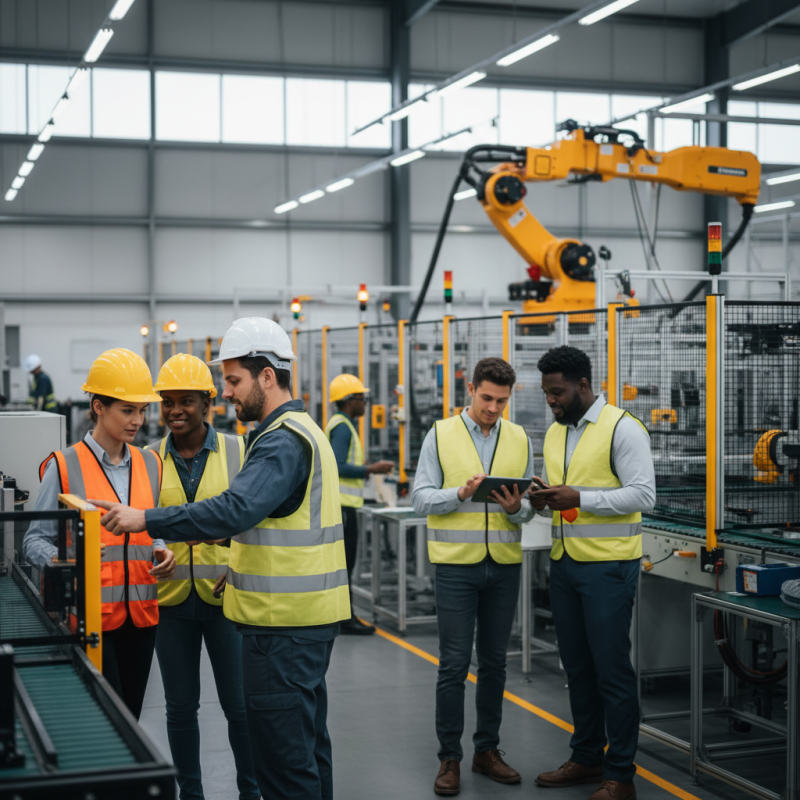
10 Effective Strategies to Reduce Workplace Injuries?

Overview of Workplace Injuries: Statistics and Common Causes

Workplace injuries remain a serious concern across various industries. According to the National Safety Council (NSC), over 4 million non-fatal workplace injuries occur annually in the U.S. These incidents often lead to significant medical expenses and lost productivity. Common causes include slips, trips, and falls, making up about 34% of reported injuries. Additionally, manual handling and ergonomic issues contribute heavily, with 33% of injuries linked to overexertion.

Certain sectors are more vulnerable to these risks. The construction, manufacturing, and healthcare industries report the highest injury rates. For example, the Bureau of Labor Statistics shows that construction alone accounted for 20% of worker fatalities in recent years. This emphasizes the need for targeted strategies to mitigate risks. Employers must consider workplace design and employee training programs as essential tools to combat these statistics.

Despite efforts, many organizations still struggle to maintain safe environments. Investigations often reveal a lack of adherence to safety protocols, inadequate training programs, and insufficient protective equipment. These gaps highlight areas for improvement. Employers must continually assess and adapt their safety measures to protect their workforce effectively.

Implementing Safety Training Programs for Employees

Implementing safety training programs for employees is critical for reducing workplace injuries. According to the National Safety Council, effective safety training can reduce injuries by as much as 30%. Training helps employees identify potential hazards and learn the proper use of equipment. Failing to provide sufficient training can lead to accidents and injuries, affecting productivity and morale.

Tips: Incorporate hands-on training sessions. Real-world scenarios let employees practice and understand safety protocols better. Regular updates to training material ensure that employees stay informed about the latest safety practices.

Using technology in safety training can enhance learning experiences. Virtual reality and interactive modules engage employees and make training more impactful. However, many organizations underutilize these tools, risking outdated training methods. Employee feedback can help refine training approaches, ensuring they address specific workplace risk factors.

Tips: Schedule frequent refresher courses. Consistent training reinforces safety principles and keeps safety at the forefront of employees' minds. Recognize that each workplace has unique challenges, and not all strategies will work universally. Continuous assessment is vital for effective safety training.

10 Effective Strategies to Reduce Workplace Injuries - Implementing Safety Training Programs for Employees

Strategy Description Expected Outcome Implementation Cost Time Frame
Safety Training Programs Regularly scheduled training sessions on safety protocols and procedures Improved employee awareness and reduced accident rates $5,000/year Ongoing
Use of Personal Protective Equipment (PPE) Ensuring all employees have access to and are trained in using PPE Minimized exposure to workplace hazards $10,000 initial setup 1 month
Regular Safety Audits Conducting frequent assessments of workplace safety protocols Identification of risks and implementation of corrective actions $3,000/year Quarterly
Incident Reporting System Implementing a system for employees to report safety concerns Increased transparency and proactive issue resolution $1,500 setup cost 2 months
Emergency Response Training Training employees on how to respond in emergencies Faster and more effective response to emergencies $4,000/year Annual
Ergonomics Training Providing training on proper ergonomics to reduce strain Reduction in musculoskeletal injuries $2,500/year Ongoing
Behavior-Based Safety Programs Encouraging safe behaviors and accountability among employees Cultural shift towards safety mindfulness $6,000 initial investment 6 months
Accident Record Analysis Analyzing past accidents to inform future safety measures Targeted interventions based on data $1,000/year Ongoing
Role-Specific Safety Protocols Developing tailored safety guidelines for different roles Increased relevance and adherence to safety practices $3,000 initial development 3 months
Safety Committees Forming committees to oversee and promote safety initiatives Enhanced engagement and communication about safety $500/year Ongoing

Enhancing Workplace Ergonomics to Prevent Strain Injuries

Workplace ergonomics play a crucial role in preventing strain injuries. By improving the design of workstations and tools, we can create a safer environment. Proper posture is essential. Encourage employees to sit with their feet flat and back supported. This simple adjustment can significantly reduce strain on the back and neck.

Tips: Implement regular ergonomic assessments. Identify potential hazards in the workplace. Provide training on correct lifting techniques. Employees must be aware of their body mechanics during tasks.

Creating an ergonomic workspace involves more than furniture. Keep frequently used items within easy reach. This limits stretching and awkward movements. Encourage short breaks to relieve muscle tension. Movement increases blood flow, promoting overall health.

Tips: Use adjustable chairs and desks. Screen heights should align with eye level. Consider noise levels and lighting as well. An environment that supports well-being is key in reducing workplace injuries.

Regular Maintenance and Safety Inspections of Equipment

Regular maintenance and safety inspections of equipment play a crucial role in reducing workplace injuries. According to the Occupational Safety and Health Administration (OSHA), nearly 3 million workplace injuries occur each year in the U.S. alone. Many of these incidents stem from equipment malfunctions, which can be largely mitigated through proactive maintenance strategies. Daily checks and regular preventive care can identify wear and tear before they result in accidents.

A comprehensive inspection routine should include both visual and operational assessments. These inspections can reveal potential hazards, such as loose bolts or frayed cables. Interestingly, a report by the National Safety Council indicates that businesses that implement regular maintenance can decrease injury rates by up to 25%. Reflecting on this, many companies still overlook the importance of meticulous equipment upkeep, leading to costly human and financial consequences.

Inadequate maintenance practices can create unsafe environments. For instance, machinery may operate inefficiently or unsafely if not properly serviced. This oversight often leads to not just injuries but also significant downtime. Commitment to consistent safety inspections not only enhances workers' safety but also increases operational efficiency. The challenge remains: are organizations doing enough to prioritize these essential safety measures?

Promoting a Culture of Safety through Employee Engagement and Feedback

Creating a culture of safety in the workplace is vital. Engaging employees in safety practices fosters commitment and reduces risks. According to the National Safety Council, effective safety engagement can lower workplace injuries by up to 30%. Employees need to feel that their voices matter. When they provide feedback, it leads to better safety measures.

Incorporating regular safety meetings creates an open dialogue. These meetings should invite ideas and discussions on potential hazards. A report from the Occupational Safety and Health Administration emphasizes that workplaces with regular feedback loops significantly decrease incident rates. Yet, many companies still overlook this aspect. Without consistent engagement, a disconnect may arise between management and staff.

Providing training programs is essential. However, relying solely on training without input from employees can create gaps. Employees might identify risks that training misses. It is crucial to adapt training based on real experiences. When employees share their insights, it enhances the overall safety framework. This continuous feedback not only strengthens safety practices but also builds trust within the team. Building a safer workplace requires effort from everyone involved.

FAQS

: What is the role of workplace ergonomics?

: Workplace ergonomics help prevent strain injuries by improving workstation design and tools.

How can employees reduce back strain?

Employees should sit with feet flat, ensuring proper back support to reduce strain.

Why are ergonomic assessments important?

Regular ergonomic assessments identify hazards and ensure safe work practices, promoting a healthier workplace.

What should be considered for an ergonomic workspace?

Frequently used items should be within reach to limit stretching and awkward movements.

How can breaks impact employee health?

Short breaks relieve muscle tension and increase blood flow, benefiting overall health.

Why is equipment maintenance essential?

Regular maintenance prevents equipment malfunctions, significantly reducing workplace injuries.

How can inspections decrease injury rates?

Comprehensive inspections reveal hazards and ensure machinery operates safely, lowering injury risks.

What happens if maintenance is overlooked?

Inadequate maintenance can lead to injuries and operational inefficiencies, causing costly downtime.

Are organizations prioritizing safety inspections enough?

Many companies still overlook the importance of safety inspections, risking employee well-being.

What are the consequences of improper lifting techniques?

Poor lifting can lead to strain injuries, emphasizing the need for proper training in body mechanics.

Conclusion

In addressing the crucial question of how to reduce workplace injuries, implementing effective strategies is essential. Statistics reveal alarming rates of workplace injuries, often stemming from common causes such as inadequate safety protocols and ergonomic deficiencies. One of the first steps in creating a safer environment is to conduct comprehensive safety training programs that educate employees on best practices and hazard recognition.

Additionally, enhancing workplace ergonomics can significantly prevent strain-related injuries, while regular maintenance and safety inspections of equipment ensure that tools and machinery function safely. Finally, fostering a culture of safety through active employee engagement and feedback not only empowers workers but also promotes accountability and vigilance in maintaining a safe workspace. By applying these strategies, organizations can substantially minimize workplace injuries and enhance overall employee well-being.

Sienna

Sienna

Sienna is a skilled marketing professional with a deep expertise in our company’s core products and services. With a passion for innovation and detail, she plays a pivotal role in crafting insightful blog posts that not only highlight the unique features of our offerings but also provide valuable......