Digital Best Cold Storage Management Tips for Efficient Supply Chain?

Time:2026-06-10 Author:Henry
0%

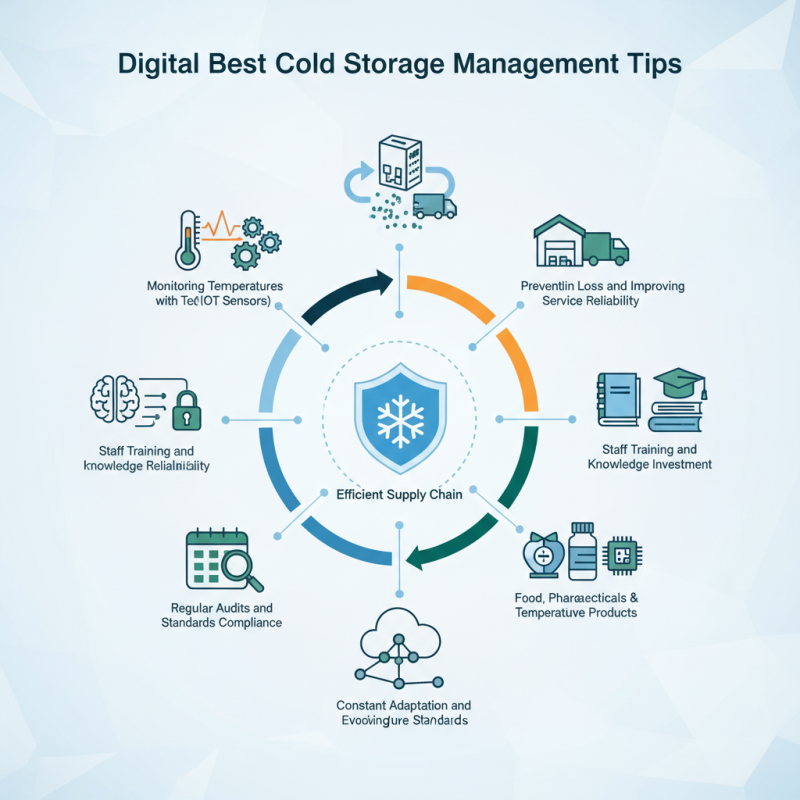
Cold Storage Management Tips play a vital role in optimizing the supply chain. Efficient cold storage practices ensure that perishable goods maintain their quality. This is crucial for businesses handling food, pharmaceuticals, and other temperature-sensitive products. A well-organized cold storage system prevents loss and improves service reliability.

Many companies face challenges in maintaining ideal storage conditions. Temperature fluctuations can result in spoilage and wastage. Managers need to monitor temperatures consistently. Implementing technology, like IoT sensors, can aid in this process. It prevents human error and enhances accuracy.

Effective cold storage management requires constant adaptation. Industry standards evolve, and businesses must keep pace. Staff training is essential for maintaining best practices. Investing in staff knowledge can lead to better management outcomes. Even minor oversights can lead to significant losses. Regular audits can identify potential issues, ensuring that standards are met.
Digital Best Cold Storage Management Tips for Efficient Supply Chain?

Understanding the Importance of Cold Storage in Supply Chain Management

Cold storage plays a critical role in supply chain management. It ensures that perishable goods are maintained at optimal temperatures. This preservation is vital for quality and safety. Inadequate cold storage can lead to significant losses. Understanding its importance enhances overall efficiency.

Employing effective cold storage practices can drastically improve your operations. Regularly monitoring temperatures and humidity levels is crucial. This helps prevent spoilage and maintains product integrity. Utilize advanced technology for real-time data tracking. It provides insights that lead to better decision-making.

Consider energy-efficient systems for cost savings. These systems not only cut expenses but also maintain optimal conditions. Staff training is essential. Ensure everyone understands the significance of proper handling practices. This reduces human error and improves safety. Mistakes in cold storage can be costly. Awareness is key to a resilient supply chain.

Key Technologies for Effective Cold Storage Management

Cold storage management is crucial for an efficient supply chain. Key technologies can enhance temperature control and improve monitoring processes. Implementing IoT sensors enables real-time tracking of temperatures. Data analytics can help in predicting demand and optimizing storage space. Use of automated systems can reduce human error and improve efficiency.

Tips to optimize your cold storage include regularly training staff on best practices. Highlight the importance of daily checks on temperature logs. Consider utilizing energy-efficient equipment to lower operational costs. It's vital to schedule routine maintenance on refrigeration systems. This helps prevent unexpected failures and ensures consistent performance.

Incorporating these technologies is not without challenges. Many facilities struggle with outdated equipment. Integration of new technologies often requires significant investment. Staff may resist changes to established routines. Addressing these issues early on can lead to better long-term outcomes. Consistently evaluate procedures to ensure they align with industry standards.

Best Practices for Monitoring and Maintaining Cold Storage Conditions

Monitoring and maintaining cold storage conditions is crucial for every supply chain. Accurate temperature readings should be taken regularly. Use digital tools that provide real-time alerts. This allows for immediate action when temperatures deviate from the norm. However, reliance on technology doesn’t eliminate the need for manual checks. Regular inspections can reveal issues that sensors might miss.

Humidity control is another critical aspect. High humidity can lead to mold growth, affecting product quality. It’s essential to maintain optimal humidity levels. Documenting these conditions helps identify trends over time. Sometimes, equipment fails unexpectedly, leading to costly losses. Training staff to recognize signs of equipment malfunction is vital. Even with the best systems in place, human error can occur.

Implementing a robust backup system is also necessary. Power outages and equipment failures can disrupt cold storage. Contingency plans should be in place. Regular drills can prepare staff for emergencies. Reflecting on past incidents is beneficial. Mistakes can offer valuable lessons, improving future responses and protocols. Effective cold storage management is a continuous process.

Digital Best Cold Storage Management Tips for Efficient Supply Chain

Strategies for Inventory Management in Cold Storage Facilities

Efficient inventory management in cold storage facilities is crucial for maintaining product quality. Temperature control is the primary concern. Regular monitoring can prevent spoilage. Use technology to track temperatures and receive alerts for fluctuations. These systems help ensure that products remain within safe limits.

Another strategy is implementing a first-in, first-out (FIFO) method. This approach ensures older stock is used before newer items. Regular audits can help identify any issues in inventory flow. Even with the best systems in place, human error can still occur. Staff should be adequately trained to minimize mistakes.

Organizing storage spaces also enhances efficiency. Clear labeling is essential for quick access to items. Establish designated zones for different products to avoid confusion. Yet, even the best layouts might require adjustments based on changing demands. Regularly reassess your inventory management practices to ensure they meet current needs.

Implementing Digital Solutions for Real-Time Cold Chain Visibility

Implementing digital solutions for real-time cold chain visibility is crucial in today's supply chain. By leveraging IoT technologies, businesses can monitor temperature and humidity levels continuously. This live data helps identify potential issues before they escalate, ensuring product quality.

Real-time analytics allow for quick decision-making. If something goes wrong, alerts can be sent immediately. This minimizes loss and maintains customer trust. However, not all systems are infallible. Some solutions may have limitations in range or compatibility. Organizations need to assess their specific needs clearly.

Data integrity is another challenge. Over-reliance on technology can lead to complacency. Regular audits of the system are necessary to ensure data accuracy. In addition, ongoing staff training can bridge gaps in understanding. Companies should remain proactive, evolving with technological advances while addressing vulnerabilities in their cold storage management.

FAQS

: Why is monitoring cold storage conditions important?

: Monitoring prevents spoilage and maintains product quality in the supply chain.

How often should temperature readings be taken?

Temperature readings should be taken regularly. This ensures any deviations are quickly addressed.

What role do digital tools play in cold storage?

Digital tools provide real-time alerts for temperature changes, enhancing immediate response to issues.

Is manual checking still necessary with technology in place?

Yes, manual checks can reveal problems that sensors might miss. Training staff is essential.

How can humidity levels affect storage conditions?

High humidity can cause mold growth, negatively impacting product quality and safety.

What is the significance of the FIFO method?

FIFO ensures that older stock is used first, reducing waste and maintaining inventory quality.

How important is staff training in cold storage management?

Training helps minimize errors and ensures staff recognize signs of equipment failure.

What should be included in a contingency plan?

Contingency plans should include backup systems and regular emergency drills for staff.

What challenges does data integrity pose?

Over-reliance on technology can lead to complacency. Regular audits help ensure accuracy.

How should inventory management practices be reassessed?

Regular assessments ensure practices meet current needs and adapt to changing demands.

Conclusion

Effective cold storage management is crucial for a streamlined supply chain, ensuring that perishable goods are preserved at optimal temperatures throughout their journey. Key technologies play a pivotal role in enhancing cold storage management, from advanced refrigeration systems to automated temperature monitoring tools. To maintain the integrity of cold storage conditions, best practices such as regular equipment maintenance and staff training should be implemented.

Furthermore, efficient inventory management strategies in cold storage facilities enhance operational effectiveness and reduce waste. Implementing digital solutions provides real-time visibility into the cold chain, allowing for prompt adjustments and better decision-making. By following these Cold Storage Management Tips, businesses can optimize their supply chain processes and ensure the highest quality of stored products.

Henry

Henry

Henry is a dedicated marketing professional with a profound expertise in the company's offerings. With years of experience in the industry, he possesses an impressive understanding of the market dynamics and consumer behaviors that drive success. Henry is committed to sharing his insights through......