In the world of logistics, efficient cost management is crucial. Warehouse Equipment Cost Analysis plays a significant role in optimizing expenses. This process involves a comprehensive evaluation of all costs associated with warehouse equipment. From purchase costs to maintenance and energy consumption, each aspect impacts the bottom line.
Many warehouses struggle with this analysis, often overlooking important details. For instance, the hidden costs of equipment downtime can accumulate quickly. Additionally, not all businesses fully understand the long-term benefits of investing in high-quality equipment. Sometimes, opting for cheaper options leads to higher maintenance costs later.
Embracing digital best practices can enhance Warehouse Equipment Cost Analysis. Utilizing advanced software can streamline data collection and analysis. This approach ensures more accurate assessments and fosters informed decision-making. In a rapidly evolving industry, staying updated on these practices can be a game changer for warehouses aiming for operational excellence.
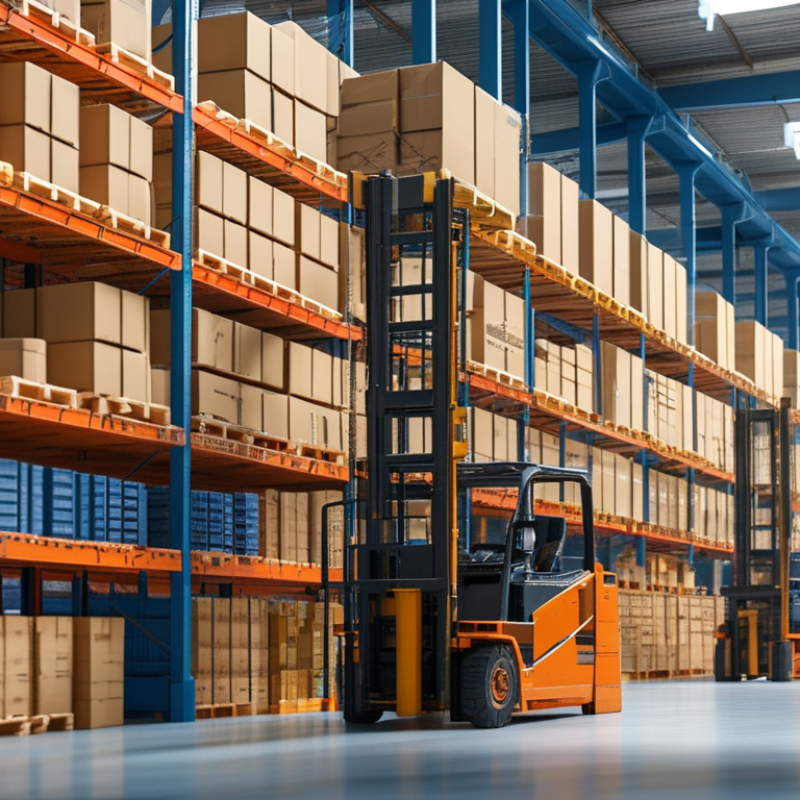
Understanding Warehouse Equipment Cost Analysis Fundamentals
Understanding warehouse equipment cost analysis is vital for optimizing operational efficiency. Accurate analysis allows managers to make informed decisions. It involves assessing the costs associated with purchasing, operating, and maintaining equipment.
Regular audits of equipment usage can reveal areas for improvement. For instance, track hours of operation to determine if equipment is underutilized. This data can highlight opportunities to reduce costs. Consider the life cycle of every piece of equipment. Maintenance costs can add up, so investing in reliable machinery may be more cost-effective in the long run.
Tips: Evaluate whether to lease or buy. Leasing can provide flexibility, but ownership may build equity. Always compare total cost of ownership against potential returns.
Another tip is to use software tools for cost analysis. They can automate data collection and analysis. With real-time insights, decisions become easier. However, be cautious; relying solely on technology can lead to overlooking manual checks. Balancing both strategies is crucial for accurate analysis.
Identifying Key Metrics for Cost Effectiveness in Warehousing
In the landscape of warehousing, cost analysis is crucial. Identifying key metrics for cost-effectiveness is necessary to ensure efficiency. Start with understanding operational costs. Consider the costs of equipment maintenance, training, and labor. Data on equipment lifespan also plays a role. These figures can reveal where resources are underutilized.
Tracking metrics like downtime is essential. High downtime can signal inefficiencies. Look for patterns. Are certain machines consistently out of service? Regular assessments can inform better decisions. Utilize software tools for real-time monitoring. This can improve accountability and streamline workflow. Don't overlook energy consumption, as it directly impacts costs.
Sometimes, businesses focus too much on upfront costs. However, a long-term view is vital. Investments in better equipment may seem expensive, but they pay off over time. Be open to recalibrating your approach. Mistakes will happen, and it’s important to learn from them. Embrace a culture of continuous improvement to enhance warehousing operations.
Warehouse Equipment Cost Analysis - Key Metrics
This chart represents the annual maintenance and depreciation costs associated with various types of warehouse equipment. It helps in assessing the cost-effectiveness of each equipment type, providing valuable insights for budget planning and operational efficiency in warehousing.
Implementing Digital Tools for Enhanced Cost Tracking and Reporting
Implementing digital tools for cost tracking in warehouses can transform operations. Accurate cost analysis is crucial. Reports show that organizations using digital platforms can reduce equipment costs by up to 15%. Data-driven insights lead to informed decisions and efficient operations.
Many warehouses still rely on manual tracking methods. This can lead to errors and inefficiencies. Real-time data is essential for understanding equipment performance. Utilizing IoT-based sensors helps track equipment metrics like usage and maintenance needs. Studies from the International Warehouse Logistics Association highlight that companies integrating digital tools see an average 20% increase in productivity.
However, reliance on digital tools comes with challenges. Not all employees are accustomed to new technologies. Training is often underfunded or overlooked. Regular feedback on the software can ensure it meets user needs. As digital cost tracking evolves, continuous improvement is vital to stay competitive in the market.
Best Practices for Data Management in Equipment Cost Analysis
Data management plays a crucial role in equipment cost analysis within warehouse operations. Accurate data collection is essential for understanding costs associated with equipment. Establishing standardized procedures for data entry helps ensure reliability. Consider using digital tools that streamline data entry while minimizing human error. Over time, this leads to more accurate analyses.
Regular audits of data are necessary. Data can quickly become outdated or erroneous. A routine check can identify discrepancies that undermine your cost analysis. Training staff on data accuracy is equally important. Everyone involved should understand the impact of their input on overall equipment costs.
Emphasizing transparency in data management builds trust among stakeholders. Sharing data insights fosters a collaborative environment. When team members trust the data, they make better decisions. Encourage open discussions about data interpretation challenges. This can highlight areas for improvement in your analysis process.
Digital Best Practices for Warehouse Equipment Cost Analysis
| Equipment Type |
Purchase Cost ($) |
Maintenance Cost (Annual) ($) |
Depreciation Rate (%) |
Operational Hours (Annual) |
Total Cost of Ownership (TCO) ($) |
| Forklift |
25,000 |
2,500 |
10 |
1,500 |
31,500 |
| Pallet Jack |
1,200 |
200 |
5 |
1,200 |
1,800 |
| Warehouse Racking |
15,000 |
1,000 |
7 |
N/A |
16,000 |
| Conveyor System |
50,000 |
5,000 |
15 |
4,000 |
121,000 |
| Automated Guided Vehicle (AGV) |
100,000 |
10,000 |
20 |
3,000 |
232,000 |
Continuous Improvement Strategies for Reducing Warehouse Equipment Costs
Reducing warehouse equipment costs is essential for operational efficiency. Many companies lose up to 20% of their revenue due to inefficient equipment maintenance. Implementing continuous improvement strategies can significantly enhance cost effectiveness.
Utilizing data analytics is one way to identify inefficiencies. For instance, tracking the utilization rates of equipment helps in understanding which pieces are underused. A recent report found that companies optimizing equipment usage saw a 15% reduction in costs. Regular audits and feedback loops can help uncover unexpected expenses tied to machinery.
Investing in employee training is also crucial. Skilled workers can perform maintenance better, preventing breakdowns. According to industry data, businesses that prioritize training reduce equipment downtime by nearly 25%. This not only cuts costs but also boosts morale. Avoiding a reactive approach to equipment management can lead to long-term savings. Reflecting on existing practices is necessary for finding areas of improvement.
Conclusion
The article "Digital Best Practices for Warehouse Equipment Cost Analysis" delves into the fundamental aspects of analyzing costs associated with warehouse equipment. It emphasizes the importance of identifying key metrics that contribute to cost-effectiveness, which can lead to more informed decision-making. By implementing digital tools, organizations can enhance their cost tracking and reporting capabilities, fostering a more transparent view of expenditures.
Moreover, the article highlights best practices for managing data effectively in the context of Warehouse Equipment Cost Analysis. It discusses strategies for continuous improvement aimed at reducing equipment costs, ensuring that warehouses remain efficient and competitive. Overall, the integration of digital solutions and robust data management practices is crucial for optimizing warehouse operations and achieving sustainable cost savings.

 CTRA Logistics