How to Choose the Right Warehouse Equipment for Your Needs?

Time:2026-04-09 Author:Sienna
0%

Choosing the right warehouse equipment is crucial for operational efficiency. A well-organized warehouse can reduce costs by up to 25% and increase productivity by 20% (Sources: Warehousing Efficiency Report 2022). Selecting the right tools can make a significant difference in storage and retrieval processes.

The "Warehouse Equipment Selection Guide" serves as a vital resource for businesses aiming to optimize their logistics. Key considerations include handling capacity, space utilization, and equipment functionality. Moreover, understanding the varying types of equipment—like forklifts, pallet jacks, and conveyor systems—is essential. Each type offers unique advantages that can impact efficiency directly.

However, it’s important to recognize that not every piece of equipment will suit every operation. Factors such as warehouse size, layout, and specific workflows must be accounted for. An ill-fitted choice can lead to bottlenecks and increased operational costs. Thus, thorough assessment and strategic planning are necessary for effective equipment selection.
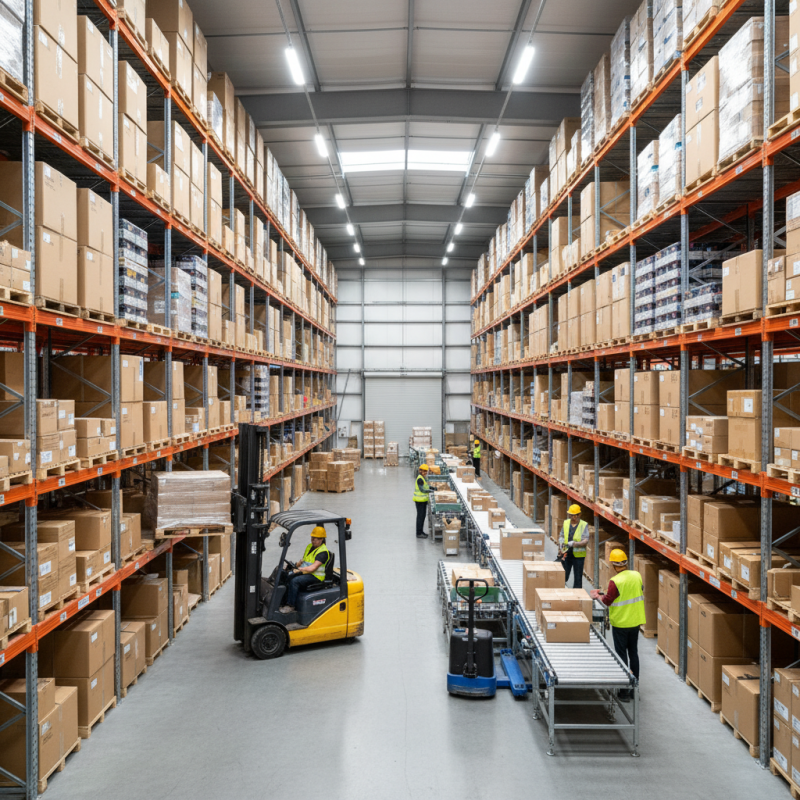
How to Choose the Right Warehouse Equipment for Your Needs?

Assessing Your Warehouse Needs and Operational Challenges

Assessing your warehouse needs requires a close look at current operations. Start by identifying the flow of goods. Are products moved quickly, or do they linger? This can hint at equipment requirements. For instance, high-traffic areas may need robust machinery. Lifting and moving products efficiently can reduce delays and improve workflow.

Consider the specific challenges your team faces. Are there issues with space? If your warehouse is tight, you might need vertical storage options. What about labor? If manual handling is causing injuries, ergonomic equipment could help. These choices reflect immediate needs but also future growth. Assessing flexibility in your equipment can prevent future constraints.

Lastly, talk to your team. They can provide insights that may seem easy to overlook. Check if workers struggle with existing tools. Even small changes can create a significant impact. Clearly understanding operational challenges will lead to effective decision-making when selecting warehouse equipment.

Understanding Different Types of Warehouse Equipment Available

When selecting warehouse equipment, it's crucial to understand the various types available. The right equipment can significantly impact efficiency and productivity. According to the Warehousing Education and Research Council, warehouse operations can be improved by 20-25% with the proper implementation of equipment. This demonstrates the importance of making informed choices.

Forklifts are essential for moving heavy goods. They come in various types, such as electric and propane-powered models. Electric forklifts are quieter and produce less pollution, making them suitable for indoor environments. On the other hand, pallet jacks are invaluable for smaller loads and tight spaces. They can be hand-operated or powered, catering to different operational needs.

Automated storage and retrieval systems are gaining traction as they streamline processes. A report from the Material Handling Industry Association indicates that automation can reduce labor costs by 20-30%. However, the initial investment is considerable. Each warehouse has unique demands, and reflecting on these factors is essential. Balancing equipment costs with long-term benefits requires careful consideration.

Evaluating Equipment Features and Specifications for Your Operations

When selecting warehouse equipment, it's crucial to understand the specific needs of your operations. Start by evaluating the equipment’s features. Consider their weight capacity and durability. These factors affect both safety and efficiency in your warehouse environment. For instance, if you handle heavy items, prioritize equipment that can bear that weight without compromise.

Tips: Always consult with your team. Their insights can reveal challenges you may overlook. Understand the everyday tasks that will use this equipment. Is it easy to maneuver? This directly impacts productivity.

Think about the equipment’s specifications too. Check the dimensions to ensure it fits your warehouse layout. Space constraints can limit effectiveness. If an item is too bulky, it might disrupt workflow. Reflecting on your setup will highlight potential improvements.

Tips: Keep a checklist of essential features. This will streamline your decision-making process. Don’t forget to factor in maintenance costs as well. Long-term reliability must align with budget considerations.

Considering Budget Constraints and Cost-Effectiveness Strategies

Choosing the right warehouse equipment can significantly impact your operations and finances. Budget constraints often challenge decision-makers. It's essential to evaluate not just the initial costs but also the long-term value of each piece of equipment.

Consider the total cost of ownership. This includes maintenance, training, and energy consumption. Equipment that seems affordable initially may lead to higher costs later. For instance, manual tools might save money upfront but require more labor. Automated systems could seem pricey but enhance efficiency over time. Evaluating these factors critically is crucial.

In addition, prioritize versatility. Equipment that serves multiple functions can reduce the need for specialized tools. This adaptability often leads to better resource allocation. However, be cautious—over-purchasing can tie up funds. Assess your actual needs carefully. An ideal approach blends quality with functionality and reflects your specific operational goals.

Choosing the Right Warehouse Equipment

Equipment Type Estimated Cost (USD) Maintenance Cost (Annual) Lifespan (Years) Efficiency Rating
Pallet Jack $300 $50 5 85%
Forklift $25,000 $1,200 10 90%
Conveyor System $15,000 $800 12 95%
Shelving Unit $1,000 $100 15 80%
Automatic Guided Vehicle $35,000 $1,500 8 92%

Ensuring Safety Standards and Compliance in Equipment Selection

Selecting warehouse equipment requires careful attention to safety standards and compliance. According to the Occupational Safety and Health Administration (OSHA), nearly 25,000 warehouse injuries occur annually in the U.S. alone. Choosing equipment that meets essential safety regulations can significantly reduce these incidents. It’s crucial to select equipment designed with safety features, such as automatic shut-offs and emergency stop buttons. This can help prevent accidents before they happen.

Compliance with industry standards is another important aspect. Equipment must align with the American National Standards Institute (ANSI) guidelines. Inspections and certifications should be regularly conducted to ensure compliance. Reports indicate that organizations prioritizing safety measures can decrease their injury rates by more than 30%. Investing in compliant equipment may seem costly initially, but it saves significant costs related to accidents and downtime over time.

Moreover, understanding individual needs is essential. A recent study found that 70% of companies fail to match equipment to specific operational demands. Assessing the available space and the type of goods stored ensures proper equipment selection. Equipment that does not fit operational requirements can lead to inefficiencies and potential hazards. Always gather feedback from staff utilizing the equipment. Their insights can identify potential issues that need addressing.

Warehouse Equipment Utilization by Category

This chart displays the utilization rates of different types of warehouse equipment, ensuring that appropriate tools are selected while adhering to safety standards and compliance regulations. The data reflects typical usage across various types of equipment commonly found in warehouses.

FAQS

: What should I consider when assessing my warehouse needs?

: Start by analyzing the flow of goods. Identify if products move quickly or linger.

How can I improve productivity in a warehouse?

Efficient lifting and moving equipment can help reduce delays and enhance workflow.

What to do if my warehouse has space issues?

Consider implementing vertical storage options for better space management.

How can I address labor-related challenges in a warehouse?

Use ergonomic equipment to reduce injuries from manual handling.

Why is it important to evaluate equipment features?

Features like weight capacity and durability affect both safety and efficiency.

How can I ensure my equipment fits the warehouse layout?

Check the equipment’s dimensions to avoid disruption to workflow.

What are some safety standards I should be aware of?

Equipment should comply with safety regulations and have features like emergency stops.

How can I ensure compliance with safety regulations?

Regularly conduct inspections and obtain certifications to meet industry standards.

What factors should I consider in long-term equipment selection?

Consider maintenance costs and overall long-term reliability before making a decision.

Why is staff feedback critical in equipment selection?

Workers can reveal challenges and insights that may be easily overlooked.

Conclusion

Choosing the right warehouse equipment is crucial for enhancing operational efficiency and addressing specific challenges. The "Warehouse Equipment Selection Guide" emphasizes the importance of first assessing your unique warehouse needs and operational hurdles. Understanding the various types of warehouse equipment available will enable you to match them effectively with your requirements.

Moreover, evaluating the features and specifications of different equipment should align with the operational goals of your warehouse. It's also essential to consider budget constraints and seek cost-effective strategies to maximize your investment. Finally, ensuring that all selected equipment meets safety standards and compliance regulations is vital for maintaining a safe working environment. By following these guidelines, you can make informed decisions that will benefit your warehouse operations overall.

Sienna

Sienna

Sienna is a skilled marketing professional with a deep expertise in our company’s core products and services. With a passion for innovation and detail, she plays a pivotal role in crafting insightful blog posts that not only highlight the unique features of our offerings but also provide valuable......