In today's fast-paced world, staying organized is crucial. Many struggle with clutter and disorganization in their storage spaces. Understanding how to improve storage organization can transform your environment. Effective organization creates a sense of order and reduces stress.
Begin with assessing your current storage techniques. Many people unknowingly utilize their space inefficiently. High shelves might be filled with rarely used items. Drawers can become chaotic with loose items. Reflect on what you truly need to keep. This practice could reveal unneeded items consuming precious space.
Next, specialize your storage solutions. Implementing bins, shelves, and labels can make a significant difference. Consider color-coding or using clear containers for visibility. While these strategies offer clarity, they may initially feel overwhelming. We often underestimate how much effort organization demands. However, adopting structured methods could foster a more peaceful, organized environment.
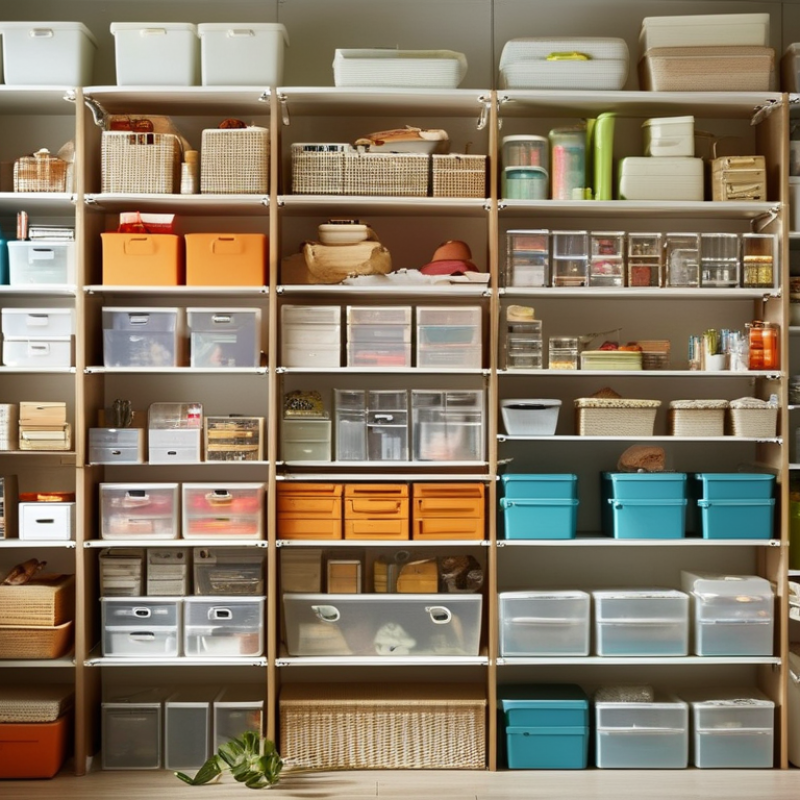
The storage organization industry is rapidly evolving. Innovative solutions are emerging to address common storage challenges. One notable trend is the rise of modular storage systems. These systems allow users to customize their storage based on their unique needs. Flexible designs make it easier to adapt spaces as requirements change over time.
Technology also plays a significant role in storage solutions. Smart storage options utilizing sensors and apps help individuals manage their inventory. This digital aspect enhances organization and efficiency. However, with technology comes complexity. Users often need to learn new systems, which can be daunting.
Sustainability is another crucial trend. Eco-friendly materials are increasingly used in storage solutions. Consumers are urged to consider the environmental impact of their choices. This shift reflects a growing awareness of sustainability. Yet, many still struggle to balance style with eco-friendliness. Transitioning to sustainable options may take time.
| Storage Solution | Key Feature | Best Use Case | Industry Trend |
|---|---|---|---|
| Modular Shelving | Customizable Design | Retail and Warehousing | Increased Flexibility |
| Vertical Storage Solutions | Space Efficiency | Small apartments, Offices | Urban Living Trends |
| Under-bed Storage | Maximizes Space | Residential Use | Minimalist Trends |
| Smart Storage Systems | IoT Integration | Large Warehouses | Automation in Storage |
| Clear Storage Bins | Visibility | Organizing Small Items | Sustainability Concerns |
Maximizing space efficiency is crucial in storage organization. The 80/20 rule, also known as the Pareto Principle, suggests that 80% of our results come from 20% of our efforts. This principle can be applied effectively to decluttering and organizing storage spaces. According to a survey conducted by the National Association of Professional Organizers, a significant 82% of respondents face challenges with clutter. Moreover, a well-organized space can enhance productivity by up to 25%.
Implementing the 80/20 rule means identifying the items that are used most frequently and ensuring they are easily accessible. For instance, consider keeping only those tools and items you use regularly within reach. This can create a more efficient workflow and reduce the time spent searching for things. However, many people hesitate to let go of unused items, often leading to wasted space. The reality is that about 70% of furniture and storage solutions go underutilized, which can hinder an organized living environment.
Reflecting on these findings can encourage us to reassess storage habits continuously. Regularly curating items can lead to a more functional space. Focus on creating designated zones for often-used items and acknowledge the limitations of our storage capacity. Space efficiency is not just about saving room; it’s also about improving our overall efficiency and well-being.
Storage solutions are evolving, driven by advancements in technology. Smart organization techniques now incorporate innovative technologies that streamline both home and office environments. According to a report by the Storage Networking Industry Association, the global smart storage market is expected to reach $10 billion by 2026. This growth highlights the increasing reliance on advanced storage solutions to manage clutter and enhance efficiency.
One key technology making waves is cloud storage. It allows users to access files from anywhere. In a recent survey, 70% of respondents noted cloud storage as vital for organization. Alongside cloud storage, modular shelving systems offer versatile organization. These systems can adapt to changing needs. They maximize space efficiency, particularly in smaller areas. Data suggests that 41% of people struggle with disorganization as a result of inadequate storage solutions, making such systems essential.
Another notable advancement is the adoption of IoT-based storage solutions. These systems can monitor inventory levels in real time. They help prevent overstocking and stockouts, particularly in office settings. However, these technologies can create cybersecurity risks. Awareness of potential vulnerabilities is essential when implementing these solutions. Balancing convenience with security will be crucial as the evolution of storage technology continues.
Color coding is a powerful tool in improving organization. Studies show that up to 90% of information transmitted to the brain is visual. When we associate colors with specific categories, we simplify decision-making. For instance, using blue for important documents and red for urgent tasks can reduce stress. This method allows individuals to quickly identify what needs attention.
Psychological insights reveal that colors evoke emotions and impact our behavior. Research from the University of Pittsburgh indicates that color coding can enhance focus by 30%. A well-organized environment can boost productivity by up to 20%. This means that managing a workspace or storage with colors can significantly affect overall efficiency. However, not everyone operates well with color coding; for some, it can be distracting rather than helpful.
Implementing color coding requires careful planning. It is essential to choose colors that resonate personally. Overuse of vibrant colors may create chaos. Reflecting on personal experiences shows that balancing hues can lead to a more pleasant organization system. Engaging with colors mindfully and in moderation is the key to effective storage organization.
Measuring the success of your storage organization efforts requires a clear set of metrics. Start by evaluating space utilization. How much available space are you actually using? A well-organized area should reflect an efficient use of every square foot. Consider tracking the frequency of access to items. If you find yourself continuously digging for tools or files, your organization might need a rethink.
Another important metric is time spent searching for items. This can be eye-opening. If retrieving an item takes longer than expected, it signals that your system needs improvement. Analyze the process. Are items returned to their designated spots? A reliable system encourages consistency in putting things back where they belong.
Additionally, gather feedback from others using the space. Their perspectives can reveal blind spots in your organization strategy. They may notice clutter you overlook. An ongoing evaluation process will help refine your methods. Embrace the notion of continuous improvement. Sometimes, setbacks can lead to more effective solutions. Adjust your organization techniques based on these metrics, and strive for a balance between efficiency and accessibility.
: The 80/20 rule suggests that 80% of results come from 20% of efforts, useful for decluttering.
A well-organized space enhances productivity by up to 25%, while clutter can lead to decreased focus.
Many hesitate to discard items due to emotional attachments, leading to wasted storage space.
About 70% of furniture and storage remain underutilized, hindering an organized living environment.
Color coding helps simplify decision-making by associating colors with categories, enhancing focus and efficiency.
Yes, for some individuals, color coding can be more distracting than helpful and may lead to chaos.
Choose colors that personally resonate with you to create a balanced and pleasant organization system.
Regular reassessment of storage habits is crucial for maintaining a functional and organized space.
Colors can evoke various emotions, affecting our behavior and potentially our efficiency levels.
Overusing vibrant colors can disrupt organization, creating chaos instead of clarity in a space.
In the pursuit of effective organization, "How To Improve Storage Organization" is paramount for both home and office environments. This article explores the latest storage solutions, analyzing industry trends and emphasizing the importance of maximizing space efficiency through the 80/20 rule. By implementing strategic storage technologies, individuals can revolutionize their approaches, ensuring that every inch is utilized wisely.
Additionally, the article delves into how color coding can enhance organization, supported by psychological insights that demonstrate the benefits of visual categorization. Lastly, measuring success through specific metrics is crucial for evaluating the effectiveness of storage organization efforts, allowing for continuous improvement and optimization. By embracing these techniques, anyone can achieve a more organized and efficient space.

CTRA Logistics