2026 Best Smart Warehouse Technology Trends You Need to Know?

Time:2026-06-22 Author:Madeline
0%

As the world of logistics rapidly evolves, understanding the latest trends in smart warehouse technology is crucial. Renowned expert in supply chain and logistics, Dr. Jane H. Mitchell, emphasizes, "Adopting innovative warehouse technology is no longer an option, but a necessity for efficiency." This statement highlights the pressing need for businesses to embrace advancements in this field, reflecting a broader shift towards automation and intelligence in warehousing.

The Smart Warehouse Technology Overview offers valuable insights into how businesses can optimize operations. Technologies such as autonomous vehicles and AI-driven inventory management are transforming the industry. Yet, not all implementations yield desired results. Companies must be mindful of the challenges, like integration difficulties and employee adaptation.

Focusing on key trends for 2026, from robotics to data analytics, will help companies stay competitive. Being aware of potential pitfalls can foster a more resilient warehousing approach. Embracing smart warehouse solutions means acknowledging both their benefits and complexities. Understanding this balance is essential for successful adaptation in the logistics landscape.
2026 Best Smart Warehouse Technology Trends You Need to Know?

Top Automation Technologies Shaping Smart Warehouses in 2026

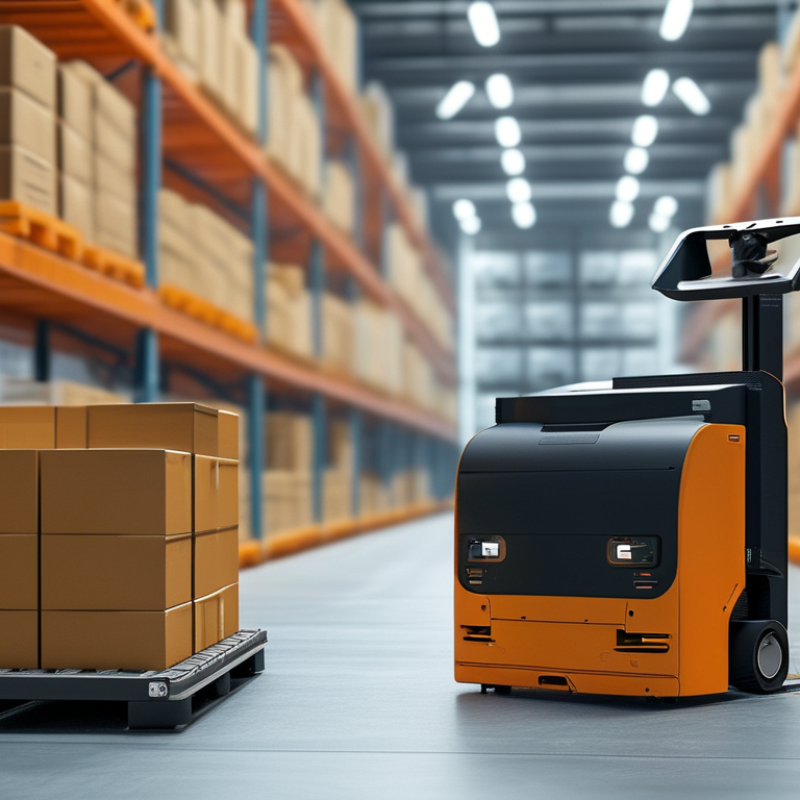
In 2026, smart warehouses will showcase new automation technologies that enhance efficiency and accuracy. Robotics will play a key role in inventory management. Automated guided vehicles (AGVs) will navigate seamlessly through aisles, reducing manual labor. This shift will cut operational costs and improve safety.

Artificial intelligence (AI) will revolutionize warehouse operations. Predictive analytics will help manage stock levels and optimize order fulfillment. AI algorithms can identify demand patterns, enabling proactive inventory management. Not all installations will be perfect. Some AI systems may require fine-tuning to ensure maximum efficiency.

Tips: Always evaluate the technology before implementation. Pilot programs can uncover issues early. Keep your team informed and trained on new systems. Embrace gradual changes to ease transitions.

The Internet of Things (IoT) will enable real-time monitoring of equipment and processes. Sensors will collect data to optimize workflows. This data can lead to better decision-making. However, data security remains a concern. Organizations must invest in robust cybersecurity measures to protect sensitive information.

Innovative Robotics Solutions for Efficient Warehouse Operations

The landscape of warehouse operations is changing rapidly. Innovative robotics solutions are at the forefront of this trend. These technologies aim to create more efficient and flexible operations. Robotics can automate repetitive tasks, allowing human workers to focus on complex activities. This shift leads to a more balanced workflow.

Implementing robotics in warehouses can be a challenge. Not all systems integrate seamlessly with existing processes. It’s crucial to evaluate your current operations before making changes. A thorough analysis can help identify areas that would benefit most from automation. Proper training for staff is also vital. Workers need to adapt to new technologies to maximize their potential.

Tips: Start small by automating specific tasks first. Monitor performance closely during the transition. This approach minimizes risks and builds confidence. Regularly review outcomes to find improvement opportunities. Robotics should enhance productivity, not complicate it. Embrace technology, but don’t neglect human skills. Balancing both can lead to success in warehouse operations.

Data Analytics and AI: Transforming Inventory Management Practices

Data analytics and AI are reshaping inventory management practices in warehouses. These technologies help companies forecast demand with greater accuracy. According to a report by Gartner, businesses leveraging AI in supply chain management could see a 30% reduction in inventory costs. This shift enables warehouses to maintain optimal stock levels while responding swiftly to market changes.


Smart warehouses are increasingly using AI algorithms to analyze historical data. By identifying patterns, these systems can provide insights into seasonal trends. Moreover, real-time data allows managers to make informed decisions promptly. For instance, predictive analytics can minimize stockouts or overstock situations. As businesses adapt, embracing these innovations becomes essential for competitive advantage.


Tips: Consider implementing AI-driven tools for inventory tracking. Start small to evaluate their performance. Regularly review data analytics to refine inventory strategies. Real-world application of these technologies often necessitates adjustment. Continuous learning and adaptation can lead to better outcomes in inventory management.

Sustainability Trends in Smart Warehouse Technologies for 2026

The evolution of smart warehouse technologies in 2026 places a strong emphasis on sustainability. With global focus shifting towards eco-friendly operations, warehouses must adapt. Implementing energy-efficient systems is essential. LED lighting and smart climate control can drastically reduce energy consumption. These updates not only conserve resources but also lower operational costs.

Moreover, recycling and waste management are critical aspects of smart warehouses. Utilizing automation for sorting recyclable materials enhances efficiency. However, challenges exist. Not all materials are easily recyclable, and the cost of implementing these systems can be high. Companies need to balance investment with long-term benefits.

Finally, exploring renewable energy sources is vital. Solar panels on warehouse rooftops can power operations sustainably. Yet, dependent on initial capital and long-term demographics, this transition may pose risks. Ensuring these technologies prove reliable over time is crucial. The path towards sustainability in smart warehousing is complex but necessary.

Integrating IoT Devices for Enhanced Warehouse Connectivity and Efficiency

The integration of IoT devices in warehouses significantly boosts connectivity and efficiency. A recent report by McKinsey highlights that companies adopting IoT technologies can increase operational efficiency by up to 30%. Such enhancements stem from real-time data collection and analysis, allowing warehouses to streamline operations.

IoT devices enable tracking of inventory with precision. For instance, smart sensors automate stock alerts, reducing human error. Studies show that implementing smart sensors can diminish tracking inaccuracies by about 40%. This improvement leads to a smoother supply chain, as products are located easily and accurately.

However, there are challenges. Not all companies are prepared for the transition. Training employees to use new technologies requires time and investment. Moreover, IoT devices may face connectivity issues in expansive warehouses. This reliance can sometimes lead to breakdowns in communication and operational delays. Thus, while the potential for enhanced efficiency is substantial, the journey toward a fully integrated IoT system is not without its hurdles.

FAQS

: How can data analytics improve inventory management?

: Data analytics enhances inventory management by enabling better demand forecasting. This leads to reduced costs and optimized stock levels.

What benefits can AI bring to supply chain management?

AI can reduce inventory costs by up to 30%, improving efficiency and response to market trends.

What role does predictive analytics play in inventory management?

Predictive analytics helps avoid stockouts and overstock situations, aiding in timely decision-making.

Why are smart warehouses becoming popular?

Smart warehouses use AI to analyze historical data and identify patterns, leading to better inventory insights.

What should companies consider when implementing AI tools?

Start small to test AI-driven tools. Regularly review data to refine inventory strategies effectively.

How do IoT devices enhance warehouse operations?

IoT devices improve connectivity and efficiency by providing real-time data for inventory tracking and operations.

What challenges might companies face when adopting IoT technologies?

Companies may struggle with employee training and potential connectivity issues in large warehouses.

How can employees adapt to new technologies in the warehouse?

Continuous training and support are essential for employees to effectively use new inventory management tools.

What impact do smart sensors have on inventory tracking?

Smart sensors automate alerts and can reduce tracking inaccuracies by about 40%, enhancing supply chain efficiency.

Are there risks in relying heavily on IoT devices?

Yes, reliance on IoT can lead to communication breakdowns and operational delays if not managed properly.

Conclusion

The article titled "2026 Best Smart Warehouse Technology Trends You Need to Know" provides a comprehensive Smart Warehouse Technology Overview, focusing on the key advancements that are expected to shape the warehousing industry by 2026. The piece details the top automation technologies that promise to enhance operational efficiency, including innovative robotics solutions designed to streamline warehouse tasks.

Additionally, it explores how data analytics and artificial intelligence are revolutionizing inventory management practices, allowing for better decision-making and resource allocation. Sustainability trends are also highlighted, reflecting the industry's shift toward eco-friendly technologies. Furthermore, the integration of Internet of Things (IoT) devices is discussed as a crucial move towards improving connectivity and overall warehouse efficiency. Together, these trends signify a transformative phase in the management of smart warehouses.

Madeline

Madeline

Madeline is a dedicated marketing professional with a wealth of expertise in our company's core offerings. With a keen understanding of the industry, she brings a unique perspective to her role, consistently delivering high-quality content that highlights the superior aspects of our products. As......