How To Improve Packing Efficiency and Reduce Costs?

Time:2026-09-29 Author:Liam
0%

How To Improve Packing Efficiency is a practical question for warehouses, manufacturers, and online retailers. It affects labor time, material use, storage space, and customer satisfaction. A box that is only half full may require extra filler, more shelves, and higher transport costs. These small losses can repeat thousands of times each month.

From hands-on packing reviews, the best improvements usually begin with measurement. Record carton sizes, packing minutes, damaged items, and unused internal space. Then compare those results with product dimensions and supplier packaging specifications. A simple trial can reveal problems that software alone may miss. For example, a 30-centimeter product may fit better in a shorter carton with folded inserts. Small changes matter.

However, no packing system runs perfectly. Workers may choose different materials during busy shifts. Product shapes may vary slightly. A packaging design that works in testing can fail when orders become heavier or more complex. This is why reliable improvements need repeated trials, clear work instructions, and feedback from the packing team. Cost reduction should not weaken protection, safety, or customer trust. The following discussion examines carton selection, workstation layout, material control, and practical performance tracking. It also questions common habits, because familiar methods are not always efficient. Data provides direction, but experience helps explain what the numbers mean.
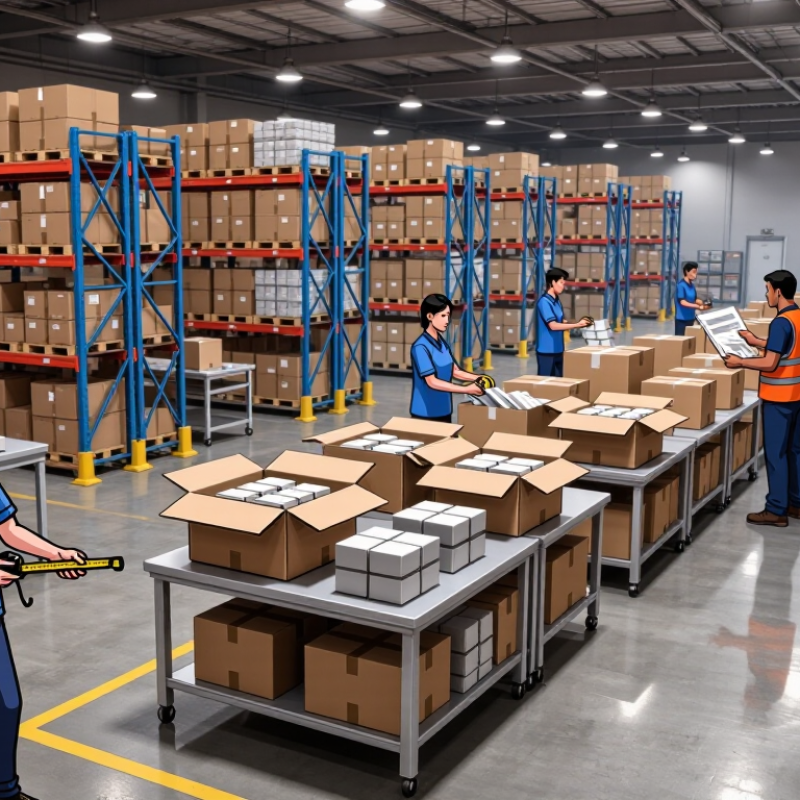
How To Improve Packing Efficiency and Reduce Costs?

Assess Current Packing Processes and Identify Sources of Waste

Packing efficiency starts with evidence, not guesses. Walk through a normal shift and record each packing step. Measure carton volume, product dimensions, filler weight, and labor time. Photograph half-empty boxes before changing anything. Ask packers where delays occur. Their comments often reveal problems that spreadsheets miss. A common waste source is using one box size for every order. This creates unused space, extra material, and higher shipping charges. It also allows products to move during handling.

Review ten to twenty recent orders from different product types. Compare packed volume with actual product volume. Calculate the empty-space ratio for each order. Then separate waste into material, motion, time, and damage-related categories. One useful test is a simple table beside the packing station. Record box changes, tape length, filler use, and repacking incidents. Keep measurements consistent. Our first audit was imperfect because we measured only busy afternoon orders. That distorted the results and hid quieter delays.

After identifying patterns, trial smaller cartons, adjustable inserts, or a revised workstation layout. Change one variable at a time. This makes results easier to trust. Check whether tighter packing slows workers or increases product damage. A faster pack is not efficient if it creates returns. Review results weekly, using the same sample size and measures. Leave room for judgment. Some orders need protection that numbers cannot fully describe.

Choose the Right Packaging Materials and Container Sizes

Choosing the right packaging material starts with the product, not the carton. A glass bottle needs strong cushioning, while clothing may need only a durable paper mailer. Overpacking wastes material, storage space, and transport capacity. The U.S. Environmental Protection Agency reported that containers and packaging generated 82.2 million tons of municipal solid waste in 2018. That figure shows why material selection deserves careful measurement.

Container size matters just as much. Measure the product, protective inserts, and handling clearance before ordering cartons. A box that is only two inches too large can require extra filler and increase shipping volume. Test several sizes with real products, including awkward returns. DHL’s 2024 E-Commerce Trends Report found that 72% of shoppers consider sustainability important when purchasing online. A right-sized parcel can support that expectation through less empty space and fewer materials.

Material choices still require practical testing. Recycled paper may perform well, but moisture can weaken it during warehouse handling. Lightweight plastic can protect products efficiently, yet disposal concerns may affect customer acceptance. I have seen teams choose the cheapest carton, then pay more for damage claims and repacking labor. That mistake is easy to repeat. Review drop-test results, packing speed, damage rates, and supplier consistency together. The best option is rarely the lightest material alone.

How To Improve Packing Efficiency and Reduce Costs? - Choose the Right Packaging Materials and Container Sizes

Example comparison for a rigid product measuring 30 × 20 × 10 cm and weighing 1.2 kg. Figures are illustrative estimates; actual material prices, carrier rules, and protection requirements vary.

Packaging option Internal size (cm) Suggested materials Product volume utilization Estimated packaging cost Dimensional weight* Best fit
Right-sized carton 32 × 22 × 12 Single-wall corrugated carton, paper cushioning, paper tape 61% About $0.54 per parcel 1.97 kg Compact, non-fragile products that need modest cushioning
Medium carton 35 × 25 × 15 Single-wall corrugated carton, paper void fill, paper tape 46% About $0.74 per parcel 2.63 kg Products needing extra cushioning or room for accessories
Oversized carton 40 × 30 × 20 Corrugated carton, additional void fill, reinforced tape 25% About $1.08 per parcel 4.80 kg Multiple items or shipments requiring substantial protection

*Dimensional weight is estimated as carton volume in cm³ ÷ 5,000, a commonly used example divisor; carriers may use different divisors and rounding rules. The billable weight is generally based on the greater of actual and dimensional weight. Choose the smallest carton that still provides adequate protection, and test the packed item before changing materials.

Standardize Packing Methods for Greater Speed and Consistency

How to Improve Packing Efficiency and Reduce Costs?

Standardize Packing Methods for Greater Speed and Consistency

Packing standards turn individual habits into repeatable work. Each product should have a defined carton size, protective material, label position, and sealing method. A clear photo at the workstation helps new employees avoid guesswork. It also reduces awkward pauses between picking and dispatch.

The 2023 Pitney Bowes Parcel Shipping Index recorded more than 161 billion parcels worldwide in 2022. Higher parcel volumes make small packing errors expensive. A wrong carton can increase material use, dimensional weight, and damage risk. Standard work instructions can limit these avoidable costs. Keep them short. Use numbered steps and simple quality checks.

A practical packing guide should reflect real warehouse conditions. Test it with different workers, product shapes, and busy shifts. The International Safe Transit Association reports that transport testing should consider shock, vibration, compression, and environmental exposure. A carton that works on a quiet day may fail during peak demand. That weakness matters.

Standardization is not permanent. Review damaged parcels, repacking rates, packing time, and customer complaints every month. A simple floor audit can reveal loose tape, overfilled cartons, or missing inserts. However, strict rules can create problems when products change. Our own assumptions may be wrong. Leave a controlled path for exceptions, and record why each exception occurred. A small adjustment, such as moving tape within arm’s reach, can save seconds across thousands of shipments.

Use Technology to Optimize Space, Labor, and Material Usage

Packing efficiency improves when teams measure real work instead of guessing. Use packing software to compare product dimensions, order patterns, and available cartons. A handheld scanner can capture item data, while a packing station display suggests a suitable box. This helps reduce oversized cartons and excess filler. Keep a manual check for fragile or irregular items. Data is useful, but it is not always right.

Tips: Track unused box sizes each week. Check filler use by order type. Place scanners and tape within easy reach. Small changes matter.

Technology can also balance labor. A dashboard showing orders per hour and packing delays helps supervisors adjust staffing before queues build. Pair that data with clear workstation layouts: cartons, labels, and protective materials should sit near the packer.

We once moved supplies based on a tidy-looking diagram, but packers still crossed the station to reach tape. The layout needed a real shift test.

Material tracking can flag rising use of void fill or damaged cartons, prompting a review of pack sizes and training. Test changes on a small set of orders first. Then compare packing time, damage reports, and material use before expanding.

Track Packing Costs and Improve Operations Continuously

Packing costs rarely sit in one place. Track carton size, cushioning, tape, packing time, damage, and dimensional-weight charges for each order type. Review the figures weekly by product and shift. A small carton change may save material but add labor if it is harder to assemble. Measure both.

The 2024 MHI Annual Industry Report says 55% of surveyed supply-chain professionals planned to increase investment in technology and innovation. That is a broad supply-chain finding, not a packing-specific result, but it supports better operational visibility. Start with a simple dashboard: cost per packed order, material use, packing minutes, and damage rate. Compare trends, then test one change at a time. A spreadsheet can lag behind a busy shift; treat its numbers as signals, not perfect truth.

Tips: Weigh a sample of packed orders each week. Photograph recurring box gaps. Check whether slower packing comes from training, layout, or awkward packaging. Keep a short note beside each trial, including what did not improve. Small misses matter. Review the results with packers, too; the data may explain the cost, but they often know why it happens.

FAQS

How can a warehouse identify packing waste?

Observe a normal shift and record every packing step. Measure carton size, product volume, filler weight, and labor time. Photograph half-empty boxes. Ask packers about delays. Their experience may expose problems missed by spreadsheets.

How many orders should be reviewed during a packing audit?

Review ten to twenty recent orders from different product types. Compare packed volume with actual product volume. Calculate the empty-space ratio. Include quiet periods, not only busy afternoons. Our early audit missed quieter delays.

What types of packing waste should be measured?

Separate waste into material, movement, time, and damage categories. Record box changes, tape length, filler use, and repacking incidents. Use one table beside the packing station. Simple records work.

How should a company choose container sizes?

Measure the product, protective inserts, and handling clearance. Test several carton sizes with real products. Include awkward returns. A box two inches too large may need extra filler and transport space.

Which packaging material is suitable for different products?

Match material strength to product risk. Glass may need firm cushioning. Clothing may need only a durable paper mailer. Moisture can weaken recycled paper. Lightweight materials are not always better.

How can packing technology reduce wasted space?

Packing software can compare product dimensions with available cartons. Scanners can capture item data. A station display may suggest a suitable box. Keep manual checks for fragile or irregular items. Data can be wrong.

How can technology improve packing labor?

Track orders per hour and packing delays. Adjust staffing before queues grow. Keep cartons, labels, tape, and protective materials within easy reach. Test layouts during a real shift. A tidy diagram may fail in practice.

How should new packing changes be tested?

Change one variable at a time. Trial smaller cartons, adjustable inserts, or a revised workstation. Compare packing time, material use, and damage reports. Review the same sample size weekly. Faster packing is not efficient if returns increase.

Conclusion

How To Improve Packing Efficiency begins with a clear review of current packing processes. By observing each step, businesses can spot wasted materials, unnecessary handling, delays, and packaging that does not fit the products well. Selecting suitable materials and container sizes can reduce excess space and protect items without adding avoidable weight or cost.

Consistent packing guidelines help teams work faster and produce reliable results, while technology can support better space planning and make it easier to manage labor and material use. Regularly tracking packing costs, speed, and material consumption reveals whether changes are working. With ongoing reviews and small, practical adjustments, organizations can reduce waste, improve productivity, and create a more efficient packing operation over time.

Liam

Liam

Liam is a dedicated marketing professional with a profound expertise in the industry, where he excels at highlighting the unique advantages of our core products. With a keen understanding of market trends and consumer needs, Liam frequently updates our company’s professional blog, providing......