China Top 10 Suppliers How To Improve Delivery Efficiency?

Time:2026-09-19 Author:Charlotte
0%

China’s top ten suppliers may offer competitive prices, strong manufacturing capacity, and broad export experience. Yet delivery performance depends on more than factory size. This introduction examines How To Improve Delivery Efficiency through practical supplier management, measurable timelines, and realistic logistics planning. It focuses on actions buyers can verify, not promises that sound impressive.

Reliable delivery begins with clear order details. Buyers should confirm product specifications, packaging standards, production capacity, and agreed shipping terms before payment. A written schedule can divide the order into material purchasing, sampling, production, inspection, and dispatch milestones. Suppliers should update these milestones through shared systems or weekly reports. Small details matter. A missing carton label can delay an entire shipment.

The discussion also considers supplier audits, historical on-time delivery rates, backup production plans, and communication speed. Buyers can compare promised dates with actual shipment records, inspection reports, and customer references. Port selection, carrier availability, customs documents, and seasonal congestion deserve equal attention. A two-day factory delay may become a ten-day delivery problem during peak shipping periods.

No process removes every risk. Supplier data may be incomplete, and buyer forecasts may be unrealistic. That weakness needs honest review. Practical improvement comes from combining experienced sourcing teams, transparent performance indicators, quality controls, and contingency planning. With these methods, companies can reduce avoidable delays while building more dependable long-term partnerships across China’s supplier network.
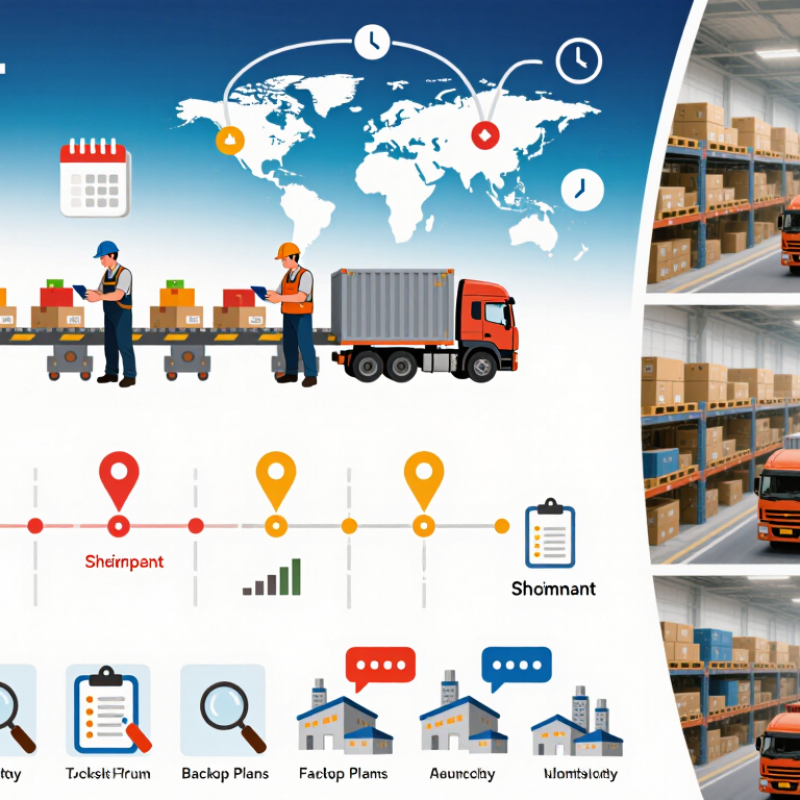
China Top 10 Suppliers How To Improve Delivery Efficiency?

What Delivery Efficiency Means for China’s Top 10 Suppliers

What Delivery Efficiency Means for China’s Top 10 Suppliers

Delivery efficiency is more than shipping quickly. It measures whether goods arrive on time, complete, traceable, and with predictable costs. The World Bank’s 2023 Logistics Performance Index gave China an overall score of 3.7 out of 5. Its strong performance still leaves room to improve shipment visibility and cross-border coordination. For leading suppliers, a reliable delivery promise matters more than an occasional fast shipment.

The scale is significant. UNCTAD reports that maritime transport carries over 80% of global merchandise trade by volume. A delayed container can therefore affect production schedules, warehouse space, and customer trust.

Top suppliers should connect factory planning with real-time inventory data. They can also reserve alternative routes before peak seasons. Small details matter, such as confirming carton dimensions before loading and checking port cut-off times twice.

Speed alone can mislead. Some suppliers still celebrate a short transit time while ignoring incomplete documents or repeated dispatch changes. That is not efficiency.

A better measure combines on-time delivery, order accuracy, damage rates, and response time.

The perfect system does not exist. Forecasts change, ports become congested, and human errors remain possible. Suppliers should publish realistic delivery windows and review missed orders openly. Honest reporting may appear less impressive, but it creates stronger long-term reliability.

How to Evaluate Delivery Performance Across the Top 10 Suppliers

Evaluating delivery performance across China’s top 10 suppliers requires more than comparing promised dates. Use the same measurement rules for every supplier. Track on-time, in-full delivery, actual lead time, lead-time variation, shipment accuracy, and damage rates. A supplier arriving two days late once differs from one arriving one day late every week.

Use at least six months of purchase-order data. Separate standard orders from urgent or customized orders. Record the confirmed date, dispatch date, arrival date, quantity ordered, and quantity received. Keep evidence from warehouse receipts and transport records. Personal experience helps here: receiving teams often notice repeated delays before the spreadsheet shows them.

Create a weighted scorecard, but explain each weight. On-time delivery might receive 35 percent, order completeness 25 percent, lead-time stability 20 percent, and communication 20 percent. Measure performance by order count, not only total shipment value. Otherwise, one large shipment can hide several poor deliveries. Compare median lead time with average lead time, because extreme delays distort averages.

Our first scorecard was too generous. It ignored partial shipments and counted early deliveries as excellent, even when they created storage pressure. That decision needed correction. Suppliers should also be reviewed by product category and season. A factory may perform well on regular items but struggle with peak-period orders. Ask for corrective actions, owners, and realistic dates. Then check whether results improve during the next review cycle. Data can look precise and still be incomplete.

How to Evaluate Delivery Performance Across the Top 10 Suppliers

The chart compares anonymized suppliers using three standard delivery KPIs: on-time delivery, order accuracy, and lead-time adherence. Higher percentages indicate more reliable delivery performance and help identify where scheduling, production planning, or logistics processes need improvement.

Metrics are presented as an anonymized supplier-performance benchmark; no company or brand identities are displayed.

Key Causes of Delays in China-Based Supplier Operations

China Top 10 Suppliers: How To Improve Delivery Efficiency?

Delivery delays in China-based supplier operations often begin before production starts. A missing material, unclear drawing, or late approval can stop an entire line. The World Bank’s 2023 Logistics Performance Index ranked China 19th globally, showing strong logistics capacity, but also room for improvement in reliability and timeliness. Factory schedules may look stable, while cartons wait for inspection, labeling, or export documents. Port congestion and vessel changes create further pressure. UNCTAD’s Review of Maritime Transport 2024 reported that disruptions in the Suez and Panama routes sharply reduced vessel traffic, forcing longer voyages and adding demand to container shipping capacity.

Tips: Ask suppliers for a weekly order dashboard. Track material readiness, production completion, inspection status, booking date, and document release. Set an earlier internal deadline, not only the shipping date. Keep backup materials for high-risk components. A short video inspection can reveal unfinished packaging faster than a spreadsheet. However, forecasts are never perfect. Seasonal labor shortages, power restrictions, sudden port changes, and quality rework can still affect delivery.

Top suppliers should identify the real delay point, not only blame transportation. Use milestone alerts when materials arrive late or production falls behind. Compare planned and actual lead times every month. The data may expose uncomfortable facts: the supplier ships on time, but approvals arrive too slowly. Or the buyer changes specifications after production begins. Clear ownership, written change controls, and realistic safety time improve delivery efficiency more than promises alone.

Step-by-Step Strategies to Improve Supplier Delivery Efficiency

Improving delivery efficiency among China’s top 10 suppliers starts with measurable expectations. Build a supplier scorecard. Track confirmed ship dates, production lead times, order accuracy, and documentation quality. Use the same definitions across every factory. During weekly reviews, compare promised dates with actual dispatch records. Small gaps often reveal planning problems before they become customer delays.

Ask each supplier to submit a rolling eight-week capacity plan. Request updates for materials, labor, machine availability, inspection, and export preparation. Then divide every order into clear milestones. For example, confirm raw materials by day seven and complete pre-shipment inspection three days before loading.

Set an early-warning rule when a milestone moves by more than 24 hours. This creates time for a revised schedule, partial shipment, or approved alternative. Keep decisions in written records, not only chat messages.

On-site or remote production checks add useful evidence. Review actual output against the supplier’s daily plan. Photographs, inspection samples, and timestamped reports improve accountability. Reliable suppliers should receive forecasts early, but buyers must avoid unrealistic volume promises. I have seen delivery reviews fail because the buyer changed specifications mid-production. That mistake deserves attention. Freeze drawings and packaging details before material purchasing whenever possible. Still, no scorecard is perfect. Seasonal congestion, port disruption, or quality issues can distort results. Review data monthly, investigate exceptions, and adjust targets only with documented evidence.

How to Monitor and Sustain Faster Supplier Deliveries

Fast supplier delivery begins with visibility, not pressure. Set an agreed dispatch date, production milestone, and arrival window for every order. Ask China suppliers to update a shared tracker twice weekly. Record confirmed quantity, packed quantity, inspection status, and booking time. A simple traffic-light system exposes delays before cartons reach the loading area.

Tips: Compare promised and actual dates each month. Measure on-time delivery, lead-time variation, and partial shipments. Request photo evidence of packed goods, labels, and pallet counts before collection. Use a 48-hour escalation rule when an update is missed. Keep one backup shipping option, but verify its capacity and cost first.

Fast delivery can hide weak control. I once treated an early shipment as a success, then found missing accessories during receiving. The order arrived quickly but still disrupted production. Now, I check complete-order accuracy and damage rates beside transit speed. Review the data with suppliers monthly, using purchase records and inspection reports. Ask what caused each delay, not only who caused it. Some targets may be unrealistic during peak seasons. Adjust buffer days carefully, and test changes on a small order first.

FAQS

What does delivery efficiency mean beyond shipping speed?

It means goods arrive on time, complete, traceable, and within predictable costs. Speed is not enough.

Why can one delayed container cause serious problems?

It may interrupt production, consume warehouse space, and weaken customer trust. A small delay can spread widely.

Which delivery measures should suppliers track?

Track on-time delivery, order accuracy, damage rates, document quality, and response time. Use shared definitions.

How can suppliers prepare for peak shipping seasons?

They can reserve alternative routes and check port cut-off times twice. Confirm carton sizes before loading.

What should a supplier scorecard include?

Include confirmed ship dates, production lead times, order accuracy, and documentation quality. Review promised dates against dispatch records.

How can buyers detect delays before shipment?

Request an eight-week capacity plan covering materials, labor, machines, inspections, and export preparation. Set milestone alerts.

What milestone system could improve delivery control?

Confirm raw materials by day seven and finish inspection three days before loading. Alert teams after a 24-hour delay.

Why are written records important during delivery reviews?

Written records preserve decisions, dates, and responsibility. Chat messages alone can become unclear later.

How can production checks improve supplier reliability?

Compare actual output with daily plans using photographs, samples, and timestamped reports. Evidence helps, though it is not perfect.

What mistakes can reduce delivery efficiency?

Changing specifications during production can disrupt materials, packaging, and schedules. Freeze drawings before purchasing when possible. That mistake matters.

Conclusion

This article explains How To Improve Delivery Efficiency among China’s top 10 suppliers by focusing on reliable, measurable, and transparent delivery practices. It defines delivery efficiency through indicators such as on-time delivery rate, order cycle time, lead-time consistency, response speed, and fulfillment accuracy. It also presents practical methods for comparing supplier performance, including standardized evaluation criteria, shipment tracking, production updates, and review of historical delivery data. By using the same measurements across suppliers, buyers can identify dependable partners and recognize areas requiring improvement.

The article also examines common causes of delays, including inaccurate forecasts, limited production capacity, material shortages, unclear specifications, quality rework, and inefficient transportation coordination. It then outlines step-by-step strategies such as improving demand planning, confirming schedules early, strengthening inventory management, setting realistic milestones, and developing contingency plans. Finally, it recommends continuous monitoring through performance dashboards, regular supplier meetings, corrective action plans, and periodic evaluations to maintain faster, more stable, and sustainable deliveries.

Charlotte

Charlotte

Charlotte is a seasoned marketing professional with a deep understanding of the company's portfolio and a passion for elevating its presence in the market. With a keen eye for detail and a commitment to excellence, she ensures that our professional blog is regularly updated with insightful articles......