2026 Best Warehouse Technology Integration Guide

Time:2026-10-14 Author:Aria
0%

Warehouse operations are changing from isolated workstations into connected, data-driven environments. The 2026 Best Warehouse Technology Integration Guide examines how systems, people, and processes can work together without creating unnecessary complexity. It covers warehouse management systems, robotics, barcode scanners, IoT sensors, cloud platforms, and real-time analytics.

MHI CEO John Paxton has described this direction clearly: “The future of supply chains is digital, connected, and automated.” That vision matters on the warehouse floor. A scanner should update inventory instantly. A conveyor should communicate with the control system. A supervisor should see delayed orders before customers feel the impact.

Integration is not only about buying advanced equipment. It requires reliable data, trained employees, practical testing, and measurable goals. A small warehouse may gain more from cleaner inventory records than expensive robotics. That reality is sometimes overlooked.

This Warehouse Technology Integration Guide focuses on implementation, not marketing promises. It considers system compatibility, cybersecurity, maintenance, workforce adoption, and return on investment. Each chapter connects technical decisions with daily warehouse experience, from a misplaced pallet to a stalled picking station.

The process will not be perfect. Interfaces can fail. Forecasts can mislead. Employees may resist unfamiliar tools. These weaknesses deserve attention, not concealment. A careful integration plan includes pilot testing, clear ownership, performance reviews, and room for correction. Readers will find practical guidance for building a warehouse that is faster, more visible, and easier to improve over time.
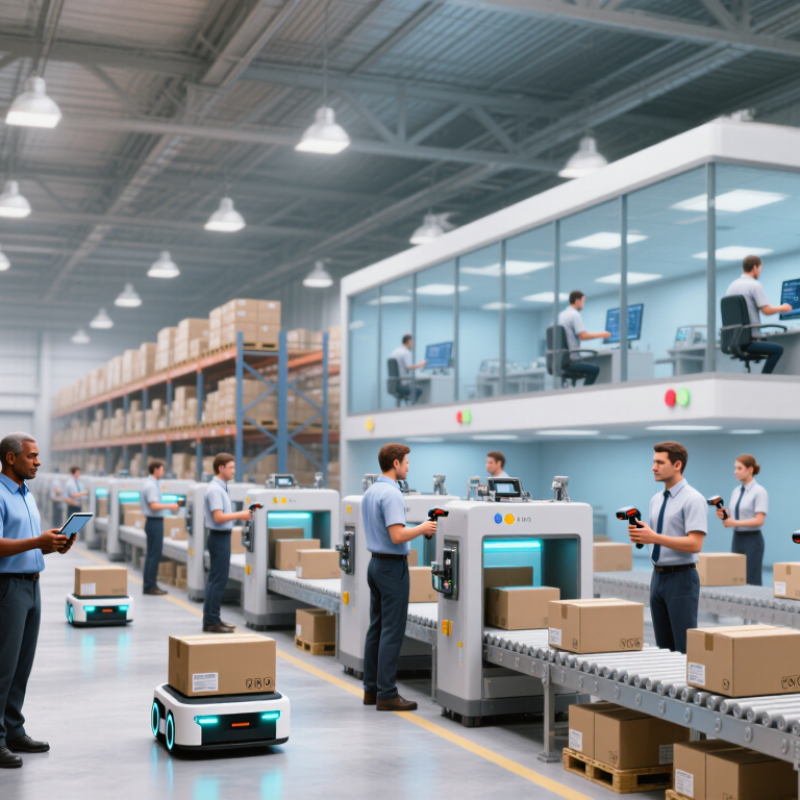
2026 Best Warehouse Technology Integration Guide

Warehouse Technology Integration: Scope, Goals, and Core Concepts

Warehouse technology integration is the planned connection of software, equipment, people, and operating data. Its scope reaches beyond installing scanners or conveyors. It includes inventory control, order processing, workforce tasks, safety checks, and reporting. A clear scope prevents one upgrade from creating another manual workaround. For example, a receiving station should pass item, quantity, location, and exception data to the inventory system.

The goal is not maximum automation. It is dependable movement of accurate information. Teams may target fewer picking errors, faster dock-to-stock time, better space use, or safer lifting routines. Each goal needs a measurable baseline. If putaway takes 42 minutes today, the project should define a realistic future range. Numbers expose weak assumptions. They also reveal when a technology change solves the wrong problem.

Core concepts include interoperability, data ownership, process mapping, cybersecurity, and human oversight. Standard data fields help systems communicate without repeated rekeying. Role-based access protects sensitive operational records. Pilot testing with real cartons often reveals issues that diagrams miss. A label may wrinkle. A worker may need one extra screen. Small failures matter. Integration plans should include training, fallback procedures, maintenance, and review dates. My own planning bias is to overvalue clean system maps; busy shifts are less tidy. That gap deserves deliberate testing before full deployment.

Assessing Warehouse Processes, Data, and Technology Requirements

2026 Best Warehouse Technology Integration Guide

Before selecting warehouse technology, map work as it happens, not as procedures claim. I have observed teams lose minutes at receiving because dock appointments, item labels, and put-away rules disagree. Walk each zone during a busy shift. Record touches, travel distance, queue time, and exception reasons. Ask operators where the process breaks. Their answers often challenge management reports. Small gaps matter.

Data assessment should examine ownership, accuracy, timing, and access. Compare inventory records with ten physical counts across fast-moving and slow-moving locations. Check whether product dimensions, storage conditions, and handling units are complete. A dashboard cannot repair missing data. Define one accountable owner for each critical field. Then document update frequency and approval rules. Keep an audit trail. It supports reliable decisions and controlled change.

Technology requirements should follow measured constraints. If scanning fails near metal shelving, test device placement before buying more equipment. If order waves create congestion, model workload by hour and labor skill. Build a small pilot with clear measures: receiving time, pick accuracy, stock variance, and exception closure. Review results with operators, supervisors, and technical staff. Do not hide weak findings. I once treated training as a minor task; adoption suffered. That mistake still shapes my assessments. Requirements should remain adjustable when evidence changes.

Designing an Integrated Warehouse Technology Architecture

A strong warehouse technology architecture starts with material flow, not software features. Map receiving, put-away, picking, packing, and dispatch on one process diagram. Then define which system owns each decision. The warehouse management layer should control inventory truth. Execution tools can manage task sequencing, while planning systems provide demand signals. This separation reduces duplicate records and confusing overrides. Keep interfaces simple. Use documented APIs, event timestamps, and clear error queues. At a packing station, a scanner event should update inventory and task status within seconds. If the network fails, local work rules should preserve the transaction for later synchronization.

Architecture also needs physical context. Sensors, mobile terminals, dimensioning equipment, and conveyor controls produce different data rhythms. A shared event model can connect them without forcing every device into one platform. Use role-based access, encrypted connections, and auditable logs.

Test peak order volume, battery loss, damaged labels, and duplicate scans. Real warehouses are untidy. A design that works only in a clean demonstration is not reliable. During pilots, measure travel time, inventory adjustments, interface latency, and recovery time. Store the evidence.

Integration should be phased around operational risk. Start with one zone, one workflow, and clear acceptance measures. Train supervisors to investigate exceptions, not merely restart devices. I have seen teams underestimate master-data quality, especially location codes and unit dimensions. That mistake can distort every downstream decision. Review the architecture monthly, because order profiles, labor patterns, and equipment conditions change. A useful design remains adaptable, observable, and honest about its weak points.

Implementing Automation, Software, Sensors, and Data Connectivity

2026 Best Warehouse Technology Integration Guide

Warehouse integration in 2026 depends on reliable connections between automation, software, sensors, and operational data. Automation should support clear workflows, not hide inefficient processes. Conveyors, robotic systems, and guided equipment need shared task instructions and safe operating limits.

Warehouse software should connect inventory, labor, order, and equipment data in one controlled environment. Sensor readings can reveal blocked lanes, temperature changes, unusual vibration, or repeated picking delays. However, data quality matters more than data volume. Poorly calibrated sensors may create confident but inaccurate decisions. Connectivity should include secure access controls, backup procedures, and clear ownership for every data stream. During a pilot, one dashboard may expose timing conflicts between scanners and automated equipment. That failure is useful. It shows where integration needs redesign.

Tips: Test the edges. Run trials during peak workload, shift changes, and network interruptions. Use a small operational zone before expanding across the facility. Keep manual fallback procedures visible and practical. Review sensor accuracy on a fixed schedule, and record every adjustment. Ask operators what the system misses; their observations often reveal problems dashboards cannot show. Measure real outcomes, such as shorter travel distance, fewer inventory corrections, and faster exception handling. Avoid collecting metrics that nobody reviews. A technically impressive system can still slow workers when alerts are excessive or instructions lack context.

2026 Best Warehouse Technology Integration Guide

Reported current and planned adoption of core warehouse technologies among supply chain organizations. The comparison highlights where integration priorities are moving from basic connectivity toward automation and predictive intelligence.

Source: 2024 public supply-chain technology adoption survey data. Percentages represent respondents reporting current use or planned investment within the survey period.

Evaluating Performance, Security, Scalability, and Ongoing Improvement

Warehouse integration should be judged on outcomes, not software count. The 2024 Annual Industry Report found that 55% of supply-chain leaders planned to increase technology investment. That figure signals urgency, not guaranteed value. Measure order-cycle time, inventory accuracy, picking errors, and recovery time after system faults. Test these metrics during replenishment surges and network interruptions. A fast demo proves little.

Security needs equal weight. The 2024 Cost of a Data Breach Report estimated the global average breach cost at $4.88 million. Warehouse interfaces should use least-privilege access, encryption, multifactor authentication, and immutable audit logs. Segment scanners, controllers, office devices, and guest networks. Review dormant accounts monthly. One forgotten credential can defeat an expensive integration. That is uncomfortable.

Scalability means more than adding devices. It means handling new sites, higher volumes, seasonal labor, and changing data standards without redesigning the core. Use APIs, event queues, versioned data contracts, and load tests before peak season. Track failure rates and latency continuously. Improvement should come from small, measured releases, not annual promises. Yet this approach is not flawless; bad master data can corrupt every dashboard. Review exceptions with supervisors, because floor experience often exposes problems that metrics hide. A warehouse can be technically integrated and operationally confused.

FAQS

What should guide a warehouse technology architecture?

Material flow should guide the design, not software features. Map receiving, storage, picking, packing, and dispatch together. Keep decisions clearly assigned.

Which system should control inventory accuracy?

The warehouse management layer should own inventory records. Execution tools can sequence tasks. Planning systems can provide demand signals.

How can warehouse systems exchange data reliably?

Use documented APIs, shared event timestamps, and visible error queues. A scanner update should change task status within seconds. Keep interfaces simple.

What happens when the network fails?

Local work rules should preserve transactions temporarily. Synchronization can occur after connection returns. Manual fallback steps must remain visible.

Which equipment needs integration?

Sensors, mobile terminals, dimensioning tools, conveyors, and guided equipment need shared task instructions. They produce different data rhythms. One platform is not always necessary.

How should a warehouse test its technology?

Test peak orders, shift changes, battery loss, damaged labels, duplicate scans, and network interruptions. Real warehouses are untidy. Clean demonstrations are not enough.

What data quality problems deserve attention?

Location codes and unit dimensions need careful review. Incorrect master data can distort inventory, labor, and equipment decisions. I have seen this mistake spread quietly.

How should a pilot project begin?

Start with one zone, one workflow, and measurable acceptance criteria. Track travel time, inventory corrections, interface delay, and recovery time. Keep evidence.

How can sensors support warehouse decisions?

Sensors may reveal blocked lanes, temperature changes, vibration, and repeated delays. Poor calibration can create confident but wrong decisions. Accuracy needs scheduled reviews.

How should teams improve an integrated warehouse over time?

Supervisors should investigate exceptions, not simply restart devices. Ask operators what dashboards miss. Review the architecture monthly, because weak points will move.

Conclusion

The Warehouse Technology Integration Guide presents a practical framework for connecting warehouse processes, data, and digital systems into one coordinated operation. It explains how to define integration goals, review current workflows, identify information and technology requirements, and design an architecture that supports reliable communication between software, equipment, sensors, and operational teams. The guide emphasizes building a clear foundation before introducing new tools, ensuring that each technology investment addresses measurable business and workflow needs.

It also outlines methods for implementing automation, strengthening data connectivity, and maintaining accurate information across warehouse activities. Performance, cybersecurity, scalability, system reliability, and employee usability are treated as essential evaluation factors rather than afterthoughts. Finally, the guide encourages continuous improvement through monitoring, structured feedback, regular system reviews, and adaptable planning, helping warehouses remain efficient and prepared for changing volumes, processes, and future technology requirements.

Aria

Aria

Aria is a dedicated marketing professional with a deep passion for innovative strategies and a keen understanding of our company's product offerings. With a wealth of experience in the industry, Aria excels at crafting engaging content that highlights the unique features and benefits of our......